RBI Set to Hold Interest Rates Steady as Inflation Pressures Linger
Share:
The Reserve Bank of India is widely expected to hold the repo rate steady as retail inflation remains above the 4% target, with a data-dependent stance and the next MPC decision pencilled in for early April 2025. For crypto and DeFi markets this suggests a modest market reaction with bond yields and the rupee trading in a narrow range, likely constraining capital flows, borrowing costs for CEXs and DeFi projects and limiting near-term token upside.
Predictions Markets
See what traders are focused on

BitcoinWorld
RBI Set to Hold Interest Rates Steady as Inflation Pressures Linger
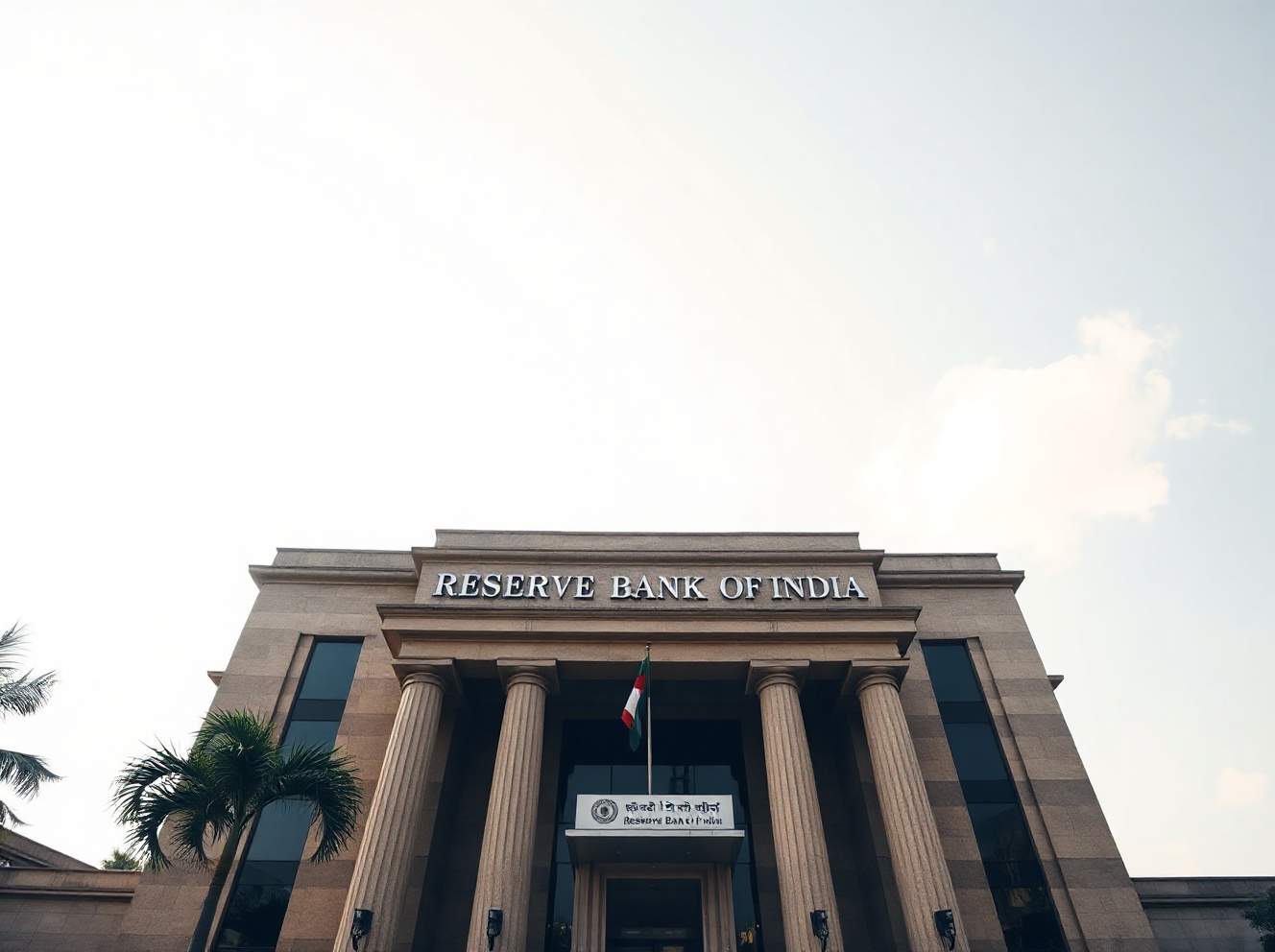
The Reserve Bank of India (RBI) is widely expected to keep its key interest rates unchanged at its upcoming policy review, as persistent inflation risks continue to outweigh concerns about slowing economic growth.
Policy Expectations and Economic Context
Market analysts and economists polled in recent weeks largely anticipate that the RBI’s Monetary Policy Committee (MPC) will hold the repo rate at its current level. The central bank has maintained a cautious stance, prioritizing inflation control even as global uncertainties and domestic demand fluctuations pose challenges. As of the latest data, retail inflation has remained above the RBI’s medium-term target of 4%, prompting a steady approach to monetary easing.
The decision comes against a backdrop of mixed economic signals. While some high-frequency indicators point to resilience in services and manufacturing, other data suggest that private consumption and investment are still recovering. The RBI’s commentary is likely to emphasize a data-dependent approach, leaving room for future adjustments if inflation trends shift.
Inflation Risks and Global Factors
Inflationary pressures stem from multiple sources, including volatile global commodity prices, supply chain disruptions, and domestic food price fluctuations. The central bank has repeatedly flagged these risks, noting that external shocks could quickly alter the inflation trajectory. Consequently, any premature rate cut could undermine the credibility of its inflation-targeting framework.
Additionally, the monetary policy stance of advanced economies, particularly the U.S. Federal Reserve, remains a key factor. While the Fed has signaled a possible easing cycle, any divergence in policy paths could influence capital flows and exchange rate stability, factors that the RBI must weigh in its decisions.
What This Means for Borrowers and Markets
For borrowers, an unchanged repo rate means that lending rates offered by banks and financial institutions are likely to remain stable in the near term. This provides some relief for households with floating-rate loans, such as home and auto loans, as equated monthly installments (EMIs) are unlikely to see immediate changes. However, deposit rates may also stay steady, offering limited upside for savers.
Financial markets are expected to react modestly, with bond yields and the rupee likely to trade in a narrow range following the announcement. The RBI’s forward guidance will be closely scrutinized for any hints about the future direction of rates, especially if inflation shows signs of easing in the coming months.
Conclusion
The RBI’s expected decision to hold rates steady reflects a careful balancing act between supporting economic growth and anchoring inflation expectations. With risks still tilted toward price pressures, the central bank is likely to maintain its vigilant stance, ready to act if the data warrants. For now, stability appears to be the preferred course, providing a predictable environment for businesses and consumers alike.
FAQs
Q1: When will the RBI announce its next monetary policy decision?
The RBI’s Monetary Policy Committee typically meets every six weeks. The next policy announcement is scheduled for early April 2025, though exact dates are confirmed closer to the meeting.
Q2: How does the repo rate affect home loan EMIs?
The repo rate is the rate at which the RBI lends to commercial banks. When the repo rate changes, banks often adjust their lending rates, which directly impacts the interest rate on floating-rate home loans, and consequently, the EMI amount.
Q3: Why is the RBI focusing on inflation control?
The RBI’s primary mandate is to maintain price stability while keeping in mind the objective of growth. By controlling inflation, the central bank aims to protect the purchasing power of consumers and maintain a stable economic environment, which is essential for sustainable growth.
This post RBI Set to Hold Interest Rates Steady as Inflation Pressures Linger first appeared on BitcoinWorld.
In This News
Coins

$ 0.0122
-0.39%Predictions Markets
See what traders are focused on
Share:
In This News
Coins
$ 0.0122
-0.39%Predictions Markets
See what traders are focused on
Share:
Read More

BoJ Minutes: Members Firmly Focus on Upside Inflation Risk