Strategic Shift: Japan and US Forge Closer Currency Ties Ahead of Bessent’s Pivotal Tokyo Visit
Share:
Japan and the U.S. agreed to formalize more frequent FX communication and coordination to reduce yen–dollar volatility; a senior U.S. Treasury official (Bessent) will visit Tokyo in May to operationalize real‑time market surveillance and policy alignment. The pact explicitly covers data sharing and coordinated signals on interventions and digital currency governance; this should reduce market surprise, clarify regulatory signals for crypto, stablecoins and DeFi cross‑border flows, and support adoption and market stability.
Predictions Markets
See what traders are focused on

BitcoinWorld
Strategic Shift: Japan and US Forge Closer Currency Ties Ahead of Bessent’s Pivotal Tokyo Visit
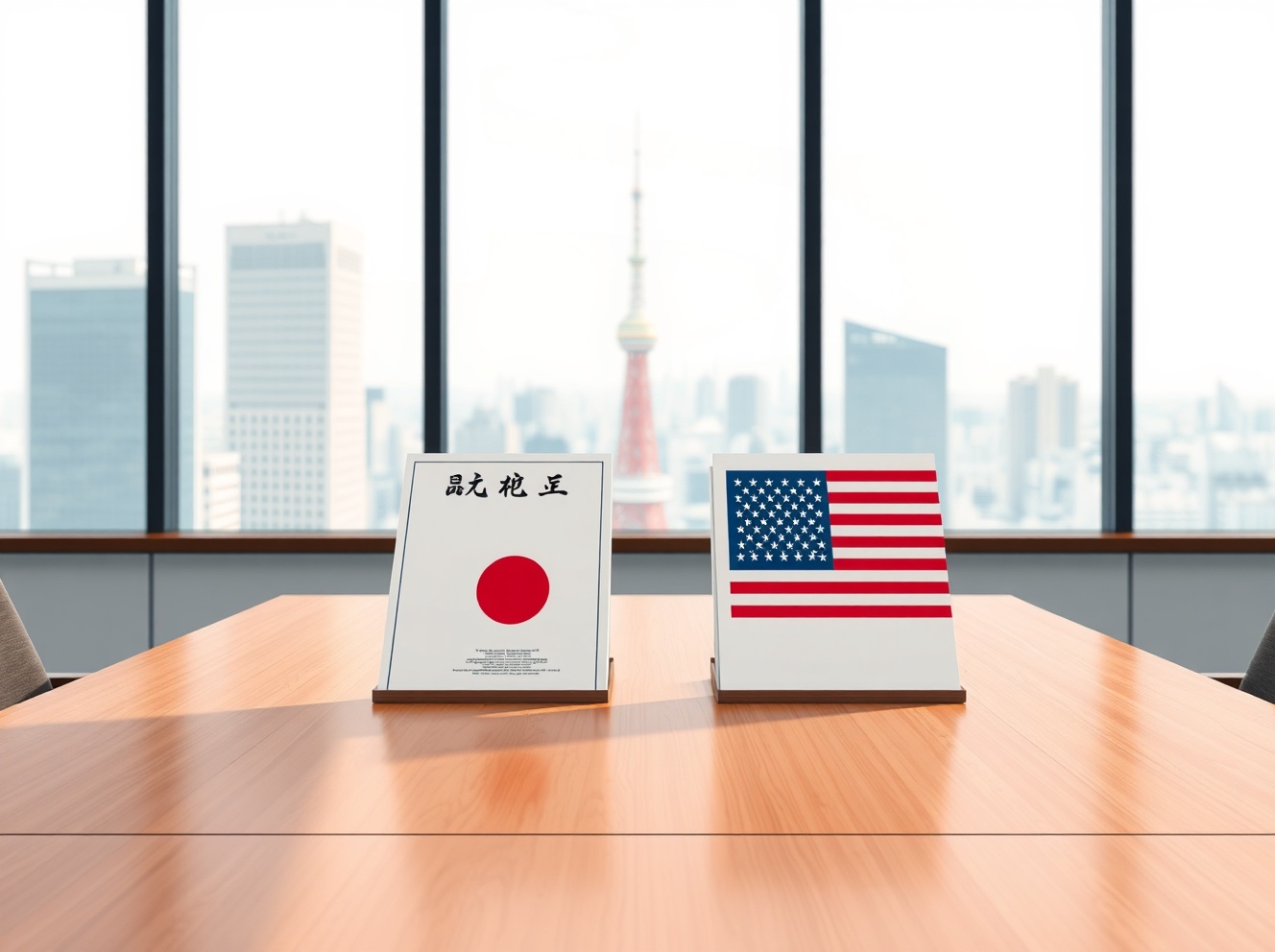
TOKYO, Japan – In a significant move for global financial stability, Japan and the United States have formally agreed to intensify communication and coordination on currency market issues. Consequently, this agreement sets the stage for a key diplomatic visit, as a senior U.S. Treasury official is scheduled to travel to Tokyo in May for high-level discussions. This development signals a proactive and strategic alignment between the world’s first and third-largest economies, especially regarding foreign exchange policies.
Analyzing the Japan-US Currency Agreement
The bilateral agreement represents a clear commitment to enhanced financial diplomacy. Officials from both nations will now engage in more frequent and structured dialogue. This dialogue aims to address market volatility and promote orderly economic conditions. Historically, currency fluctuations between the yen and the dollar have posed challenges for trade and investment flows. Therefore, this new framework seeks to mitigate disruptive swings through closer cooperation.
Furthermore, the pact underscores a shared recognition of global economic interdependencies. Central banks and finance ministries will likely share more data and analysis under this arrangement. For instance, they may coordinate on interventions or policy signals to calm speculative trading. This cooperative stance contrasts with past periods of unilateral action, marking a mature phase in trans-Pacific economic relations.
The Significance of the Upcoming Bessent Visit
The agreement gains immediate practical importance with the planned May visit of a senior U.S. Treasury official to Tokyo. This trip will provide the first official platform to operationalize the new communication channels. The discussions will undoubtedly cover a broad agenda, from bilateral currency concerns to broader G7 and G20 coordination efforts.
Key topics will likely include:
- Market Surveillance: Mechanisms for real-time information sharing on yen and dollar movements.
- Policy Alignment: Ensuring monetary and fiscal policies do not create unintended currency shocks.
- Global Context: Coordinating positions on issues like digital currency governance and sanctions enforcement.
This visit is not merely ceremonial. It is a working session designed to translate a diplomatic understanding into actionable policy tools.
Expert Perspective on Financial Diplomacy
Financial analysts view this development as a stabilizing force. “Enhanced dialogue reduces the ‘surprise’ element in markets,” notes a veteran strategist with decades of experience observing Asia-Pacific finance. “When major economies like Japan and the U.S. commit to talking more, it lowers the risk of misinterpretation and knee-jerk reactions. This is particularly crucial in an era of high-frequency algorithmic trading.” Such expert analysis highlights the practical benefits of this diplomatic shift.
The timing is also analytically noteworthy. It follows a period of notable yen weakness, which impacts Japanese import costs and corporate planning. Simultaneously, the U.S. contends with its own fiscal dynamics and dollar strength. A cooperative approach allows both nations to manage these pressures without resorting to confrontational rhetoric or competitive devaluations, which history shows can be damaging.
Historical Context and Future Implications
This agreement did not emerge in a vacuum. It builds upon decades of economic partnership, including the landmark 1985 Plaza Accord, which aimed to devalue the U.S. dollar. However, today’s framework is more about management and communication than direct market intervention. The global financial architecture has evolved, making unilateral actions less effective and more risky.
The implications extend beyond bilateral relations. As key members of the G7, Japan and the U.S. often set the tone for broader international financial policy. Their coordinated stance can influence discussions at the International Monetary Fund (IMF) and the Bank for International Settlements (BIS). A unified front can also be more influential in engagements with emerging economic powers.
Conclusion
The agreement for closer Japan-US currency contact, cemented by the upcoming Bessent visit to Tokyo, marks a pivotal step in financial diplomacy. This structured cooperation aims to foster stability, enhance transparency, and provide a buffer against global economic shocks. Ultimately, the success of this initiative will be measured by calmer markets and a more predictable policy environment for businesses and investors operating across the Pacific. The May discussions will be the first critical test of this new collaborative framework.
FAQs
Q1: What is the main goal of the new Japan-US currency agreement?
The primary goal is to establish more frequent and formal communication channels between Japanese and U.S. financial authorities to promote stability in foreign exchange markets and prevent disruptive volatility between the yen and the dollar.
Q2: Who is Bessent and why is the Tokyo visit important?
While the specific title may vary, “Bessent” refers to a senior U.S. Treasury Department official. The visit is important because it represents the first high-level, in-person meeting to implement the new agreement, turning diplomatic understanding into concrete working plans.
Q3: How might this agreement affect the average person or business?
Greater currency stability can lead to more predictable costs for international trade, travel, and investment. Businesses involved in import/export between the two countries may face less exchange rate risk, potentially influencing consumer prices.
Q4: Does this mean Japan and the US will directly intervene in currency markets?
Not necessarily. The agreement focuses on communication and consultation. While it makes coordinated intervention a more feasible option if needed, the immediate goal is to align policy signals and share intelligence to guide market expectations.
Q5: How does this fit into broader global economic trends?
This move reflects a trend towards managed cooperation among major economies in the face of complex global challenges. It contrasts with purely nationalist policies and aligns with efforts through groups like the G7 to maintain a functioning international financial system.
This post Strategic Shift: Japan and US Forge Closer Currency Ties Ahead of Bessent’s Pivotal Tokyo Visit first appeared on BitcoinWorld.


Read More

Japan’s Kihara Reaffirms Central Bank Independence, Defers Policy Details to BoJ