Dollar Slips Against Major Currencies: Here’s What’s Driving the Move and Whether It Can Last
Share:
Predictions Markets
See what traders are focused on

BitcoinWorld
Dollar Slips Against Major Currencies: Here’s What’s Driving the Move and Whether It Can Last
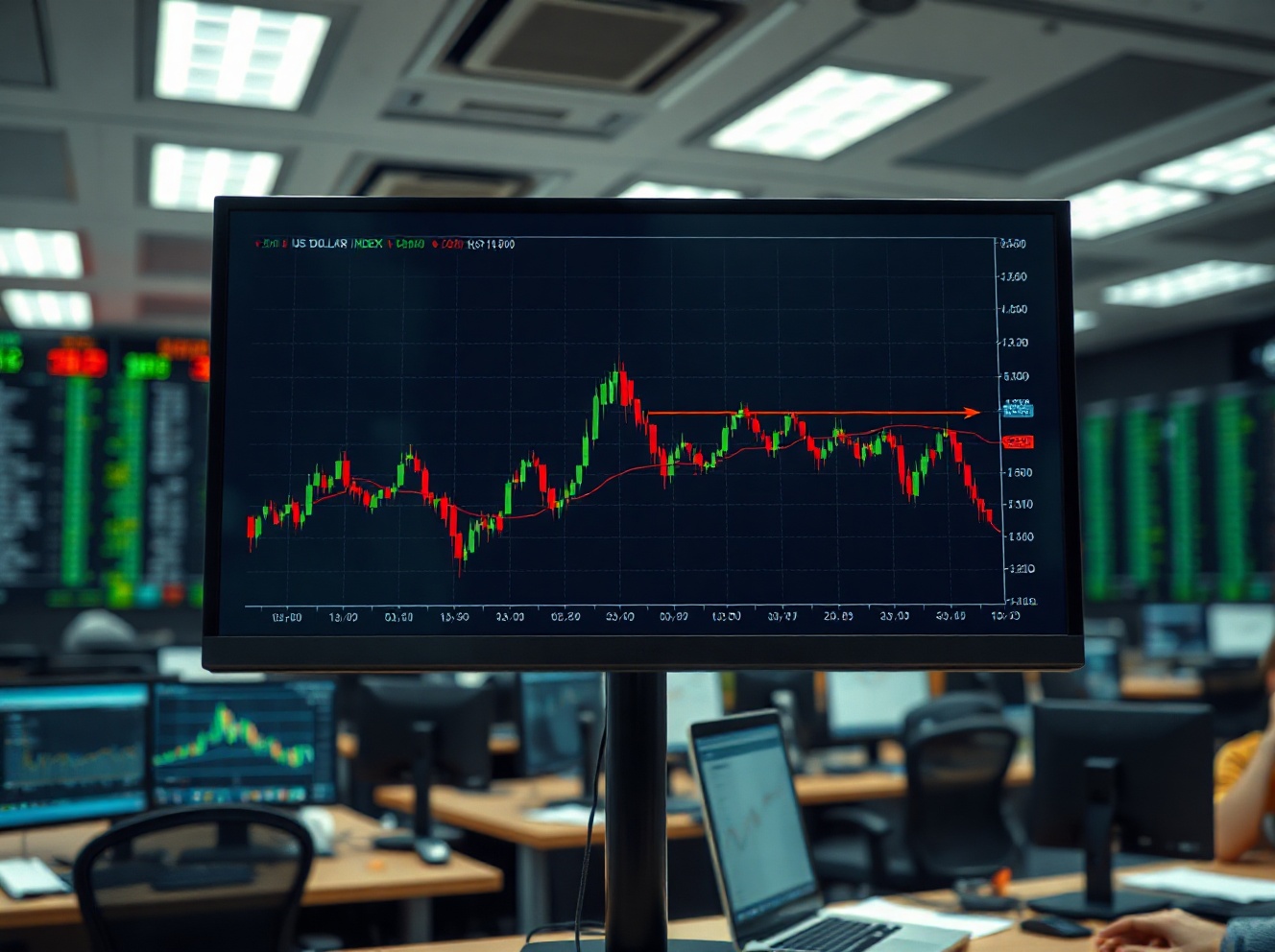
The US dollar has been losing ground against a basket of major currencies in recent weeks, raising questions about the sustainability of its long-standing strength. As of the latest trading session, the US Dollar Index (DXY) has fallen by approximately 2% from its recent high, reflecting a shift in market sentiment amid changing expectations for Federal Reserve policy and global economic data. This movement matters because the dollar’s value affects everything from international trade and corporate earnings to inflation and emerging market stability.
Why Is the Dollar Weakening?
The dollar’s decline is primarily driven by a combination of factors, including shifting interest rate expectations and improved economic outlooks in other regions. The Federal Reserve has signaled a potential pause in its rate hiking cycle, while central banks in Europe and Asia have maintained a more hawkish stance, narrowing the interest rate differential that had previously favored the dollar. Additionally, recent economic data from the Eurozone and China have shown signs of resilience, attracting investors away from US assets. This shift in capital flows has put downward pressure on the greenback.
What Does This Mean for Global Markets?
A weaker dollar has significant implications for global financial markets. For multinational corporations based in the US, a softer dollar can boost overseas profits when converted back to dollars, potentially supporting stock valuations. Conversely, it can make US exports more competitive, which may help narrow the trade deficit. In emerging markets, a weaker dollar often provides relief by reducing the burden of dollar-denominated debt and easing inflationary pressures. However, the impact is not uniform, and sectors such as energy and commodities may see price volatility as the dollar’s value fluctuates.
Will the Dollar Rebound?
Whether the dollar’s decline is a temporary correction or the start of a longer-term trend depends on several key variables. The Federal Reserve’s next moves will be crucial—if US inflation remains sticky and the central bank is forced to resume rate hikes, the dollar could regain strength. Conversely, if the global economy continues to improve and other central banks maintain tighter policies, the dollar may continue to slide. Market participants are also watching geopolitical developments and trade negotiations, which can quickly alter currency dynamics. As with any market movement, uncertainty remains high, and investors should be prepared for volatility.
Conclusion
The dollar’s recent decline reflects a complex interplay of monetary policy expectations, global growth prospects, and investor sentiment. While the near-term direction is uncertain, the factors driving the move are rooted in real economic shifts rather than speculative noise. For businesses and investors, understanding these dynamics is essential for navigating the current environment. The situation remains fluid, and further data releases and central bank communications will provide clearer signals in the coming weeks.
FAQs
Q1: What is the US Dollar Index (DXY)?
The US Dollar Index measures the value of the US dollar against a basket of six major currencies: the euro, Japanese yen, British pound, Canadian dollar, Swedish krona, and Swiss franc. It is a widely used benchmark for the dollar’s overall strength in global markets.
Q2: How does a weaker dollar affect consumers?
A weaker dollar can lead to higher prices for imported goods, as it takes more dollars to buy the same amount of foreign currency. This can contribute to inflation. However, it can also make US exports cheaper for foreign buyers, potentially supporting domestic manufacturing and jobs.
Q3: Why do central bank policies influence the dollar?
Central bank policies, particularly interest rates, affect the attractiveness of holding a currency. Higher interest rates offer better returns on investments denominated in that currency, attracting foreign capital and strengthening the currency. Conversely, lower rates or expectations of cuts can weaken it.
This post Dollar Slips Against Major Currencies: Here’s What’s Driving the Move and Whether It Can Last first appeared on BitcoinWorld.

Read More
US Dollar Pressured by Lower Short-Term Yields, MUFG Says