Euro Outlook: Energy Prices and Yen Flows Are Key Drivers, Says ABN AMRO
Share:
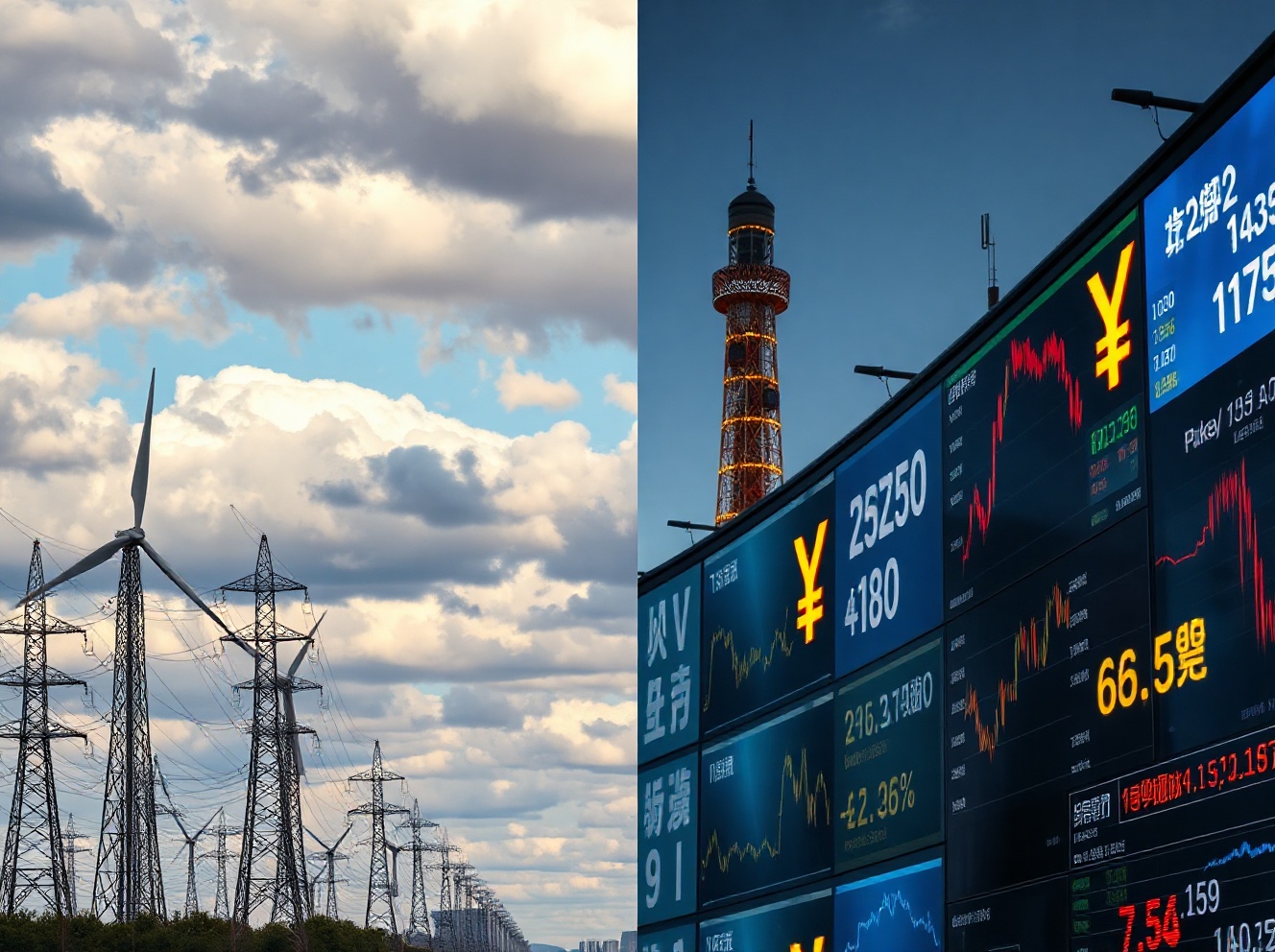
ABN AMRO says the euro’s near-term trajectory is increasingly tied to European energy prices and Japanese yen flows: rising gas and electricity costs worsen terms of trade and can weaken the euro, while a stronger yen could prompt repatriation of Japanese capital and selling pressure on euro assets. The bank recommends monitoring Dutch TTF natural gas futures and USD/JPY positioning as leading indicators, warning that any euro breakout could spill into crypto and DeFi markets and influence risk-on flows across CEXs and DEXs.
Predictions Markets
See what traders are focused on

BitcoinWorld
Euro Outlook: Energy Prices and Yen Flows Are Key Drivers, Says ABN AMRO
Analysts at ABN AMRO have highlighted that the euro’s near-term trajectory is increasingly tied to two external factors: movements in European energy prices and shifts in Japanese yen flows. The observation comes as currency markets digest a complex mix of geopolitical risk, monetary policy divergence, and commodity price volatility.
Energy Prices as a Euro Catalyst
European natural gas and electricity prices remain a key variable for the euro, according to ABN AMRO strategists. Higher energy costs tend to weigh on the euro by worsening the region’s terms of trade and raising import bills. Conversely, a sustained decline in energy prices could provide relief and support the common currency.
Recent data shows that European gas storage levels remain above seasonal averages, which has helped cap price spikes. However, the market remains sensitive to supply disruptions, particularly as winter approaches. ABN AMRO notes that any sharp increase in energy costs could reignite concerns about European competitiveness and inflation persistence.
Yen Flows and Cross-Currents
The second factor identified by ABN AMRO is the flow of Japanese yen. The yen has been under pressure due to the Bank of Japan’s ultra-loose monetary policy, but recent signals from the BoJ have fueled speculation about a potential policy shift. A stronger yen could trigger repositioning in global currency markets, affecting the euro through cross-rate adjustments.
ABN AMRO points out that Japanese investors hold significant positions in European assets. Any repatriation of capital by Japanese investors, driven by a stronger yen or shifting yield expectations, could create selling pressure on the euro. This dynamic is often overlooked but has historically been a meaningful driver during periods of yen volatility.
What This Means for Traders
For currency traders and investors, the analysis suggests that traditional euro drivers — such as ECB policy and US-EU interest rate differentials — may take a backseat to energy and cross-border capital flows in the coming weeks. ABN AMRO recommends monitoring Dutch TTF natural gas futures and USD/JPY positioning as leading indicators for euro direction.
The euro has traded in a relatively narrow range against the dollar in recent sessions, but the bank warns that a breakout could be triggered by a material move in either energy prices or yen flows. The interplay between these two factors adds a layer of complexity to an already uncertain outlook.
Conclusion
ABN AMRO’s analysis underscores the importance of looking beyond conventional macroeconomic indicators when assessing the euro’s path. Energy prices and yen flows are emerging as critical variables that could determine whether the euro strengthens or weakens in the months ahead. Traders and analysts would do well to keep both on their radar.
FAQs
Q1: Why do energy prices affect the euro?
Higher energy prices increase Europe’s import costs, worsening the trade balance and putting downward pressure on the euro. Lower energy prices reduce these costs and can support the currency.
Q2: How do Japanese yen flows impact the euro?
Japanese investors hold large amounts of European assets. If the yen strengthens, these investors may repatriate funds, selling euros and weakening the single currency. This cross-border flow can be a significant market driver.
Q3: What should traders watch for in the near term?
ABN AMRO suggests monitoring Dutch TTF natural gas futures for energy price trends and USD/JPY positioning for yen flow signals. A significant move in either could trigger euro volatility.
This post Euro Outlook: Energy Prices and Yen Flows Are Key Drivers, Says ABN AMRO first appeared on BitcoinWorld.

Read More

Euro Holds Ground as Markets Weigh Fed and ECB Rate Path Divergence