Presidential Crypto Ban Sparks Controversy: Democrats Target Political Digital Asset Transactions in Landmark Bill
Share:
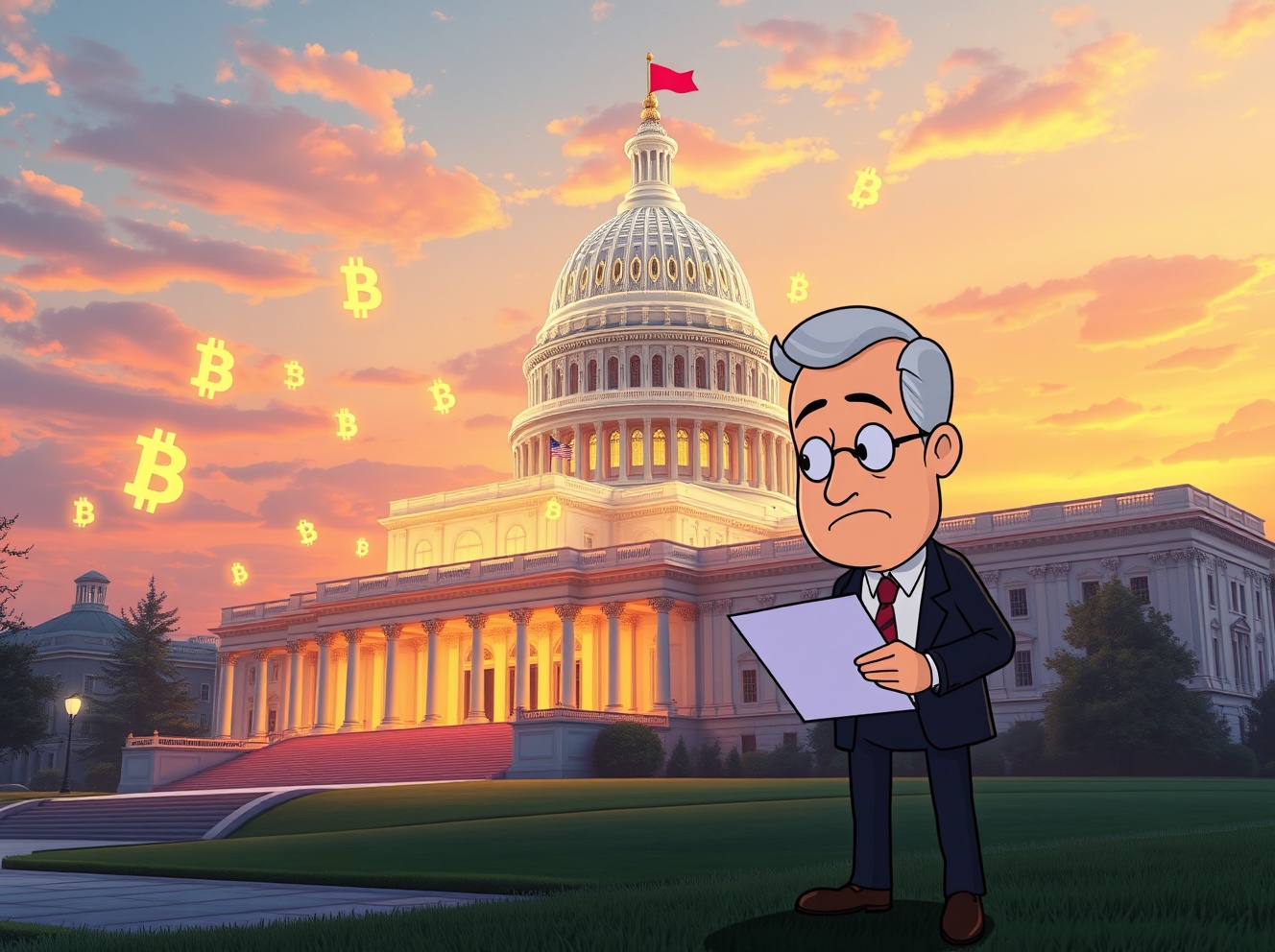
Senate Democrats proposed a presidential cryptocurrency ban under the CLARITY bill to prevent conflicts of interest among political leaders. The amendment seeks to prohibit the president, vice president, and Congress from engaging in any digital asset transactions, reflecting concerns over substantial crypto earnings by politicians. This move could set a regulatory precedent amidst increasing scrutiny of political figures in digital finance.
Predictions Markets
See what traders are focused on

BitcoinWorld
Presidential Crypto Ban Sparks Controversy: Democrats Target Political Digital Asset Transactions in Landmark Bill
WASHINGTON, D.C. — December 2025 — Senate Democrats have ignited a significant political debate by proposing a presidential cryptocurrency ban within the upcoming Crypto-Asset Market Structure Act. This legislative move specifically targets potential conflicts of interest for President Donald Trump and other high-ranking officials. Consequently, the proposal marks a pivotal moment in the intersection of digital finance and government ethics.
Presidential Crypto Ban Proposal Emerges in Senate Committee
The Senate Agriculture Committee will soon discuss the proposed amendment to the CLARITY bill. This provision would prohibit the president, vice president, and all members of Congress from conducting financial transactions using digital assets. The Block first reported this development ahead of scheduled committee deliberations. Meanwhile, Bloomberg previously estimated that President Trump earned approximately $1.4 billion from crypto-related ventures. These ventures notably include the stablecoin initiative World Liberty Financial.
This legislative action follows increasing scrutiny of political figures’ cryptocurrency holdings. Government ethics experts have repeatedly warned about potential conflicts. The proposed ban represents a direct response to these growing concerns. Furthermore, it establishes a clear precedent for regulating officials’ financial activities in emerging digital markets.
Historical Context of Cryptocurrency Regulation in Politics
Political involvement with digital assets has evolved significantly over the past decade. Initially, few regulations addressed cryptocurrency holdings for elected officials. However, several high-profile cases prompted congressional attention. For instance, former officials faced criticism for promoting specific tokens. Additionally, some lawmakers reported substantial crypto investments in financial disclosures.
The current proposal builds upon existing financial ethics laws. The STOCK Act of 2012 already restricts traditional securities trading. Nevertheless, digital assets remained largely unaddressed until now. The table below illustrates key regulatory milestones:
| Year | Regulatory Action | Impact on Digital Assets |
|---|---|---|
| 2012 | STOCK Act Passage | Restricted stock trading; excluded cryptocurrencies |
| 2021 | First Crypto Disclosure Rules | Required reporting of digital asset holdings |
| 2023 | SEC Enforcement Actions | Targeted celebrity endorsements of tokens |
| 2025 | CLARITY Bill Proposal | Seeks complete transaction ban for officials |
This legislative timeline demonstrates the gradual regulatory approach. Each step addressed emerging concerns about market manipulation and conflicts. The current proposal represents the most restrictive measure yet considered.
Expert Analysis of the Proposed Restrictions
Financial ethics specialists have offered mixed reactions to the proposed ban. Dr. Eleanor Vance, a government ethics professor at Georgetown University, explained the rationale. “Public officials must avoid even the appearance of impropriety,” she stated. “Cryptocurrency markets present unique challenges because of their volatility and transparency issues.”
Conversely, some blockchain advocates criticize the approach. Michael Chen, director of the Digital Governance Institute, expressed concerns. “Blanket bans may discourage technological understanding among policymakers,” Chen argued. “Instead, we need transparent disclosure systems and clear guidelines.”
The proposal includes several key provisions:
- Complete transaction prohibition for president, vice president, and Congress members
- Coverage of all digital assets including cryptocurrencies, stablecoins, and tokens
- Immediate implementation upon bill passage with no grandfathering
- Enforcement through existing ethics committees with standard penalty structures
Market and Political Implications of the Crypto Ban
The proposed legislation could significantly impact both cryptocurrency markets and political dynamics. Market analysts note potential effects on investor confidence. Some experts suggest restrictions might reduce perceived political manipulation risks. However, others warn about creating a two-tier system separating officials from constituents.
Politically, the proposal has generated partisan reactions. Democratic supporters emphasize ethical governance and public trust. Republican critics describe the measure as politically motivated. They particularly question its timing amid election cycles. Nevertheless, bipartisan support exists for some form of regulation.
International observers also monitor these developments closely. Several governments consider similar restrictions for their officials. The U.S. proposal could establish a global precedent. Consequently, foreign legislative bodies might adopt comparable measures.
Constitutional and Legal Considerations
Legal scholars debate the proposal’s constitutional dimensions. Some question whether Congress can restrict the president’s personal financial activities. However, precedent exists for such limitations. Historical ethics laws have consistently applied to all government branches.
The Supreme Court has previously upheld reasonable restrictions on officials’ conduct. These restrictions aim to prevent conflicts and maintain public confidence. Therefore, legal experts generally expect the proposal to withstand constitutional challenges. Still, specific implementation details might face judicial scrutiny.
Conclusion
The proposed presidential crypto ban represents a landmark moment in digital asset regulation. Senate Democrats seek to address genuine ethical concerns through the CLARITY bill amendment. This initiative responds to substantial cryptocurrency earnings reported by political figures. Moreover, it establishes clear boundaries for officials’ participation in emerging financial markets. The coming Senate Agriculture Committee discussions will determine the proposal’s fate. Regardless of outcome, this debate highlights growing recognition of cryptocurrency’s political dimensions. Ultimately, the presidential crypto ban discussion reflects broader efforts to modernize government ethics for the digital age.
FAQs
Q1: What exactly does the proposed presidential crypto ban prohibit?
The amendment would prohibit the president, vice president, and members of Congress from conducting any financial transactions using digital assets, including buying, selling, or trading cryptocurrencies and tokens.
Q2: Why are Democrats proposing this ban now?
The proposal follows reports estimating substantial cryptocurrency earnings by political figures and aims to address potential conflicts of interest before they affect policy decisions or market stability.
Q3: How would this ban be enforced if passed?
Existing congressional ethics committees and executive branch oversight bodies would enforce the prohibition using standard penalty structures already established for other financial ethics violations.
Q4: Does this ban apply to cryptocurrency holdings acquired before the law?
The current proposal includes no grandfathering provisions, meaning officials would need to divest existing cryptocurrency holdings or place them in blind trusts upon the law’s implementation.
Q5: How have cryptocurrency markets reacted to this proposal?
Initial market reactions have been muted, as most analysts expected some form of political regulation, though specific price movements may follow congressional committee discussions and voting.
This post Presidential Crypto Ban Sparks Controversy: Democrats Target Political Digital Asset Transactions in Landmark Bill first appeared on BitcoinWorld.


Read More
SEC could start writing crypto rules before the Senate votes on CLARITY