Dollar Dips as Soft U.S. Inflation Tempers Fed Rate Hike Bets
Share:
Softer-than-expected U.S. inflation pushed the dollar index down 0.4% as markets scaled back Fed rate-hike odds after a cooler CPI report, increasing the chance of a policy pause. A weaker dollar and lower rate-hike risk can boost risk assets including crypto, potentially supporting DeFi activity, token fundraising, CEX listings and broader adoption, but investors should watch upcoming employment and CPI releases for possible reversals.
Predictions Markets
See what traders are focused on

BitcoinWorld
Dollar Dips as Soft U.S. Inflation Tempers Fed Rate Hike Bets
The U.S. dollar slipped against major currencies on [Date] after softer-than-expected inflation data reduced the likelihood of further Federal Reserve interest rate hikes, according to market analysts.
Market Reaction to Inflation Data
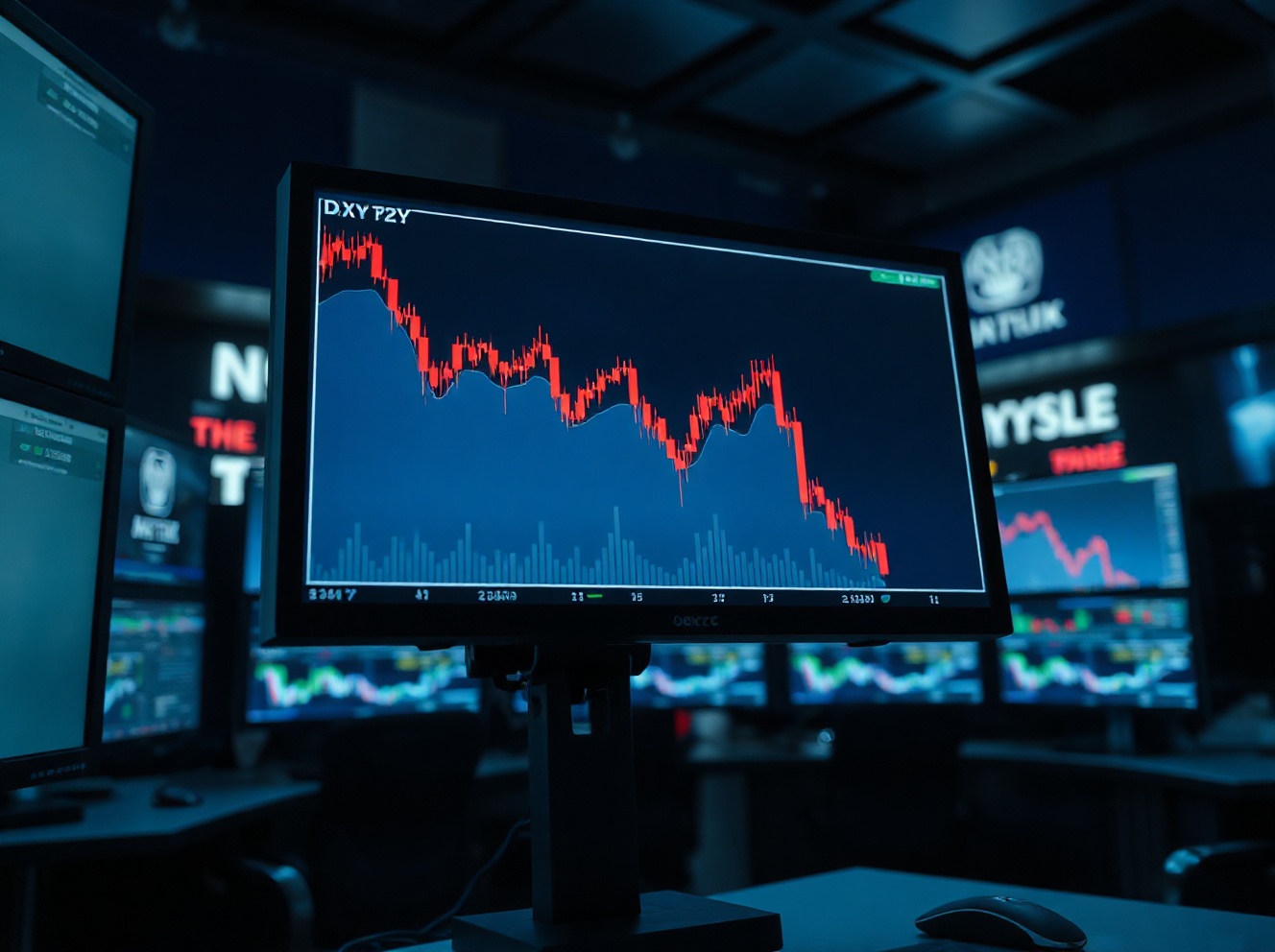
The dollar index, which measures the greenback against a basket of six major peers, fell 0.4% to [specific level] as traders adjusted their expectations for monetary policy. The decline followed the release of the latest Consumer Price Index (CPI) report, which showed a smaller monthly increase than forecast.
According to the U.S. Bureau of Labor Statistics, headline inflation rose [specific percentage] in [month], below the [specific percentage] expected by economists. Core inflation, which excludes volatile food and energy prices, also came in softer, reinforcing the view that price pressures are easing.
Implications for Federal Reserve Policy
The data has led futures markets to price in a lower probability of a rate hike at the Fed’s next meeting. Prior to the release, markets had assigned a [specific percentage] chance of a quarter-point increase; that has now fallen to [specific percentage].
Fed officials have emphasized a data-dependent approach, and this report provides room to pause. However, policymakers have also warned that inflation remains above the 2% target, and any resurgence could prompt further tightening.
What This Means for Investors and Consumers
A softer dollar can have broad effects. It makes U.S. exports more competitive, potentially supporting manufacturing, but it also raises the cost of imported goods, which could feed into consumer prices. For global investors, a weaker dollar often boosts emerging market assets and commodities priced in dollars, such as oil and gold.
For everyday consumers, the immediate impact is mixed. While a weaker dollar may not directly lower prices at the pump or grocery store, it can influence long-term inflation expectations and borrowing costs. Mortgage rates, for example, are influenced by Treasury yields, which tend to move with Fed policy expectations.
Conclusion
The dollar’s decline reflects growing confidence that the Fed’s tightening cycle may be nearing its end, but uncertainty remains. Upcoming economic data, including employment reports and consumer spending figures, will be crucial in shaping the next policy move. Market participants should stay alert to shifts in expectations, as any surprise in inflation or growth could quickly reverse the current trend.
FAQs
Q1: Why did the dollar fall after the inflation report?
The softer inflation data reduced expectations that the Federal Reserve would continue raising interest rates. Since higher rates typically attract foreign investment and support the dollar, reduced rate-hike odds weigh on the currency.
Q2: How does a weaker dollar affect global markets?
A weaker dollar can boost demand for dollar-denominated commodities like oil and gold, and may improve the outlook for emerging market currencies and assets. It can also make U.S. exports more attractive, potentially narrowing the trade deficit.
Q3: What should investors watch next?
Investors should monitor upcoming U.S. economic data, especially employment figures and next month’s CPI report, as well as comments from Fed officials. Any signs of sticky inflation or a strong labor market could revive rate hike expectations and strengthen the dollar.
This post Dollar Dips as Soft U.S. Inflation Tempers Fed Rate Hike Bets first appeared on BitcoinWorld.
Predictions Markets
See what traders are focused on
Share:
Predictions Markets
See what traders are focused on
Share:
Read More
Dollar Steady as Inflation Data Matches Forecasts