Investors wary as Hormuz toll threat rattles oil markets
Share:
Iran’s hint at transit fees for the Strait of Hormuz and threats of retaliation pushed Brent crude up 2.5% to $98.47 per barrel, with shipping traffic at about 10% of pre‑war levels and analysts warning Gulf production and shipping could take two months to a year to normalize. This energy-market uncertainty risks spilling into crypto markets by reducing risk appetite on CEXs and DEXs, increasing volatility for tokens, and complicating fundraising, token launches and broader adoption.
Predictions Markets
See what traders are focused on

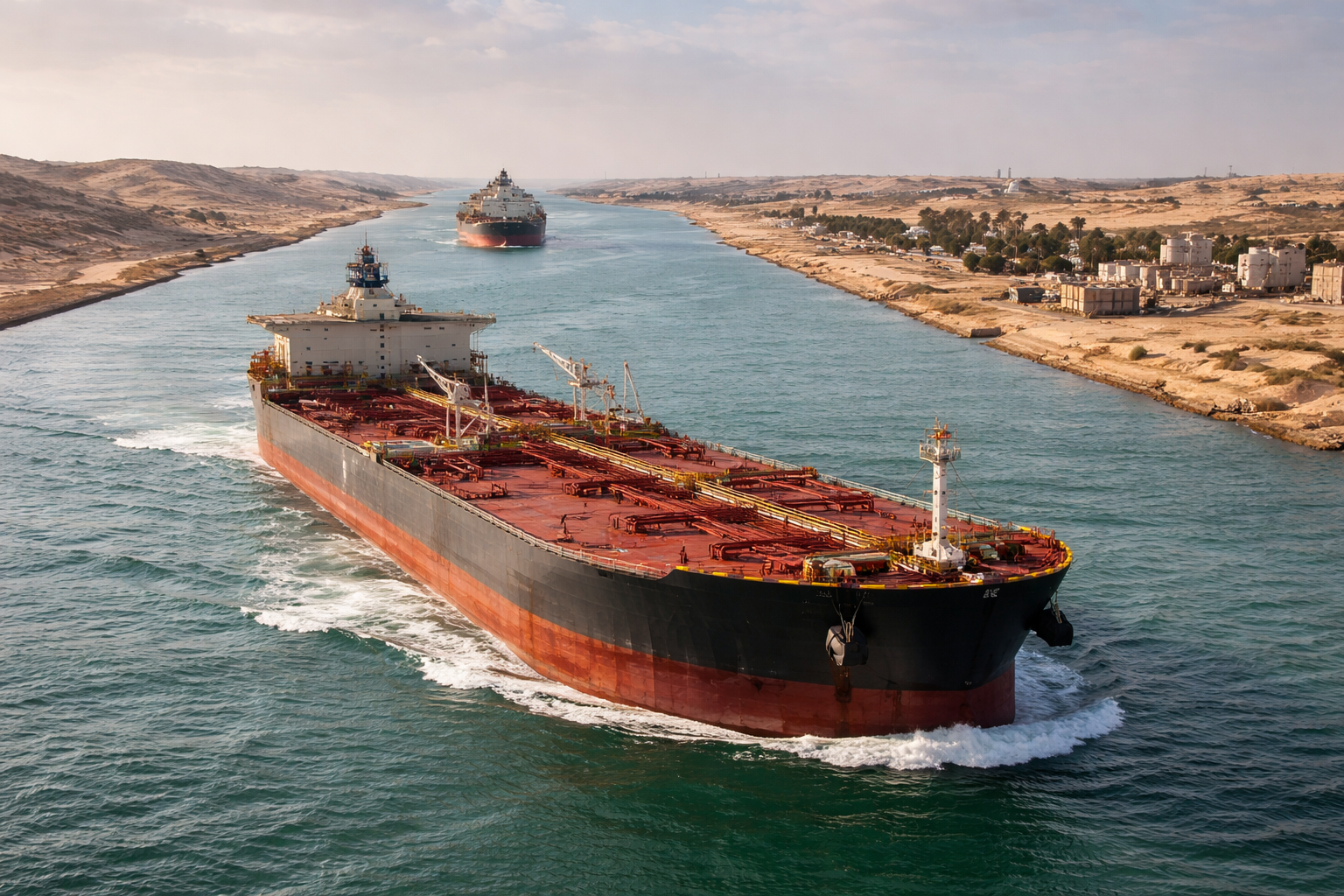
Global oil markets are on edge as Iran signals it may impose fees on ships crossing the Strait of Hormuz, a move analysts warn could reshape maritime trade.
Brent crude jumped 2.5% to $98.47 per barrel on Tuesday, while investors remain “afraid to take a position” amid mixed signals from Washington and Tehran, CNBC reported.
Investor jitters over Hormuz fees
Oil prices swung sharply on Tuesday as speculation grew that Tehran could demand transit charges for vessels passing through the Strait of Hormuz as part of any peace deal with the US.
“People are afraid to take a position with so much mixed messaging going on about the status of negotiations,” Dave Ernsberger, president of S&P Global Energy, told CNBC.
He warned that the principle of freedom of maritime flow is at stake, raising concerns about precedent.
Iran’s position
Iran’s foreign ministry spokesman Esmail Baghaei told Australia’s ABC that “there is no toll” but added that “navigation and the preservation of the ecosystem of the Strait, the Persian Gulf and the Sea of Oman will have costs.”
Analysts say this leaves open the possibility of an “environmental fee” or transit levy.
Ernsberger noted that a $1 per barrel fee would be manageable at $120 oil but burdensome if prices fell back to $55, according to the report.
Brent crude, the global benchmark, rose 2.5% to $98.47 per barrel as Iran’s Revolutionary Guard vowed retaliation against fresh US strikes, while WTI slipped.
Amena Bakr, head of Middle East Energy and OPEC+ insights at Kepler, told CNBC that “heightened uncertainty, coupled with the mixed messages over negotiations, is ramping up volatility in oil prices.”
She added: “We don’t know what this framework looks like.”
Shipping disruption and supply outlook
Traffic through the Strait remains at about 10% of pre‑war levels. “The reality is that very few crude tankers or product tankers get through at all,” Ernsberger said.
“If it’s 10 vessels a day, you’d be lucky to see two of those being oil tankers.”
He estimated that production in Qatar, Iraq, and parts of Saudi Arabia could take two months to normalize, while shipping traffic may not return to normal until the fourth quarter.
Bakr added that clearing the backlog could take “optimistically” two months, but “realistically speaking, we need a year of recovery to see the supply reach pre‑war levels.”
A tax on trade?
The prospect of a transit fee has sparked debate among market participants. Ernsberger said:
It’s an interesting question… as to whether the global markets, market participants, governments are going to be willing to allow for any kind of transit fee or toll in the first place.
He emphasised that while a $1 levy may not seem large, it could significantly alter trade dynamics if oil prices fall.
As President Donald Trump hints at peace prospects, Iran’s suggestion of costs tied to navigation through Hormuz has injected fresh uncertainty into energy markets.
Analysts warn that even if a ceasefire is reached, the imposition of fees could reshape global oil flows and challenge the long‑standing principle of free maritime passage.
For now, investors remain cautious, with CNBC reporting that “people are afraid to take a position” until clarity emerges.
The post Investors wary as Hormuz toll threat rattles oil markets appeared first on Invezz

Read More
Silver Price Forecast: Lower High Structure Persists as Bears Target $55.00