Australian Dollar Slips as Safe-Haven Demand Boosts US Dollar
Share:
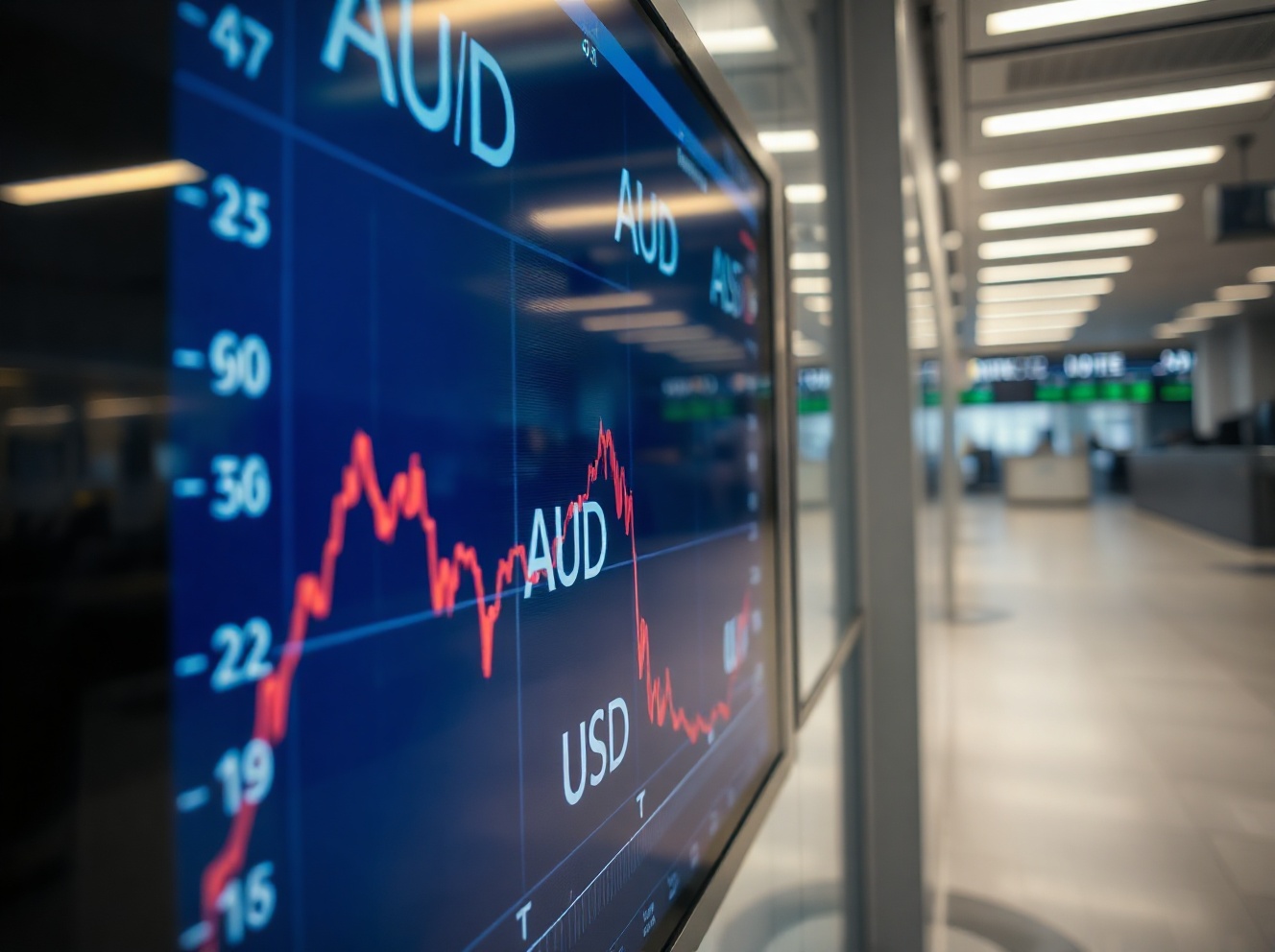
Safe-haven demand boosted the US Dollar and lifted the US Dollar Index (DXY) while the Australian Dollar weakened versus the US Dollar as AUD/USD fell, driven by mixed commodity prices and a divergence between an expected RBA pause and a hawkish Federal Reserve. This USD strength and broader risk-off sentiment is bearish for crypto and DeFi risk assets, likely weighing on DEX volume and token adoption while creating short-term forex and stablecoin trading opportunities.
Predictions Markets
See what traders are focused on

BitcoinWorld
Australian Dollar Slips as Safe-Haven Demand Boosts US Dollar
The Australian Dollar weakened against the US Dollar on [Date], as safe-haven demand lifted the greenback amid global economic uncertainty. The AUD/USD pair fell to [price level], reflecting investor preference for the US currency in a risk-off environment.
Market Drivers Behind the AUD/USD Decline
The primary driver of the Australian Dollar’s weakness is the increased demand for safe-haven assets, particularly the US Dollar. This shift in investor sentiment is often triggered by geopolitical tensions, global economic slowdown fears, or volatility in equity markets. As of [Date], the US Dollar Index (DXY) rose by [percentage] to [level], while the AUD/USD pair traded lower, breaking key support levels.
Additionally, commodity prices, especially iron ore and coal, have shown mixed performance, which directly impacts the Australian economy due to its reliance on resource exports. The Reserve Bank of Australia’s (RBA) monetary policy stance also plays a role, with expectations of a pause in rate hikes contrasting with the US Federal Reserve’s hawkish signals.
Implications for Traders and the Australian Economy
For traders, the weakening Australian Dollar presents opportunities in forex markets, particularly for those taking long positions on the USD. However, it also signals potential inflationary pressures in Australia, as a weaker currency makes imports more expensive. This could influence the RBA’s future policy decisions.
What This Means for the Broader Market
The AUD/USD movement is a key indicator of global risk sentiment. A sustained decline could reflect deeper concerns about global growth, affecting not just Australia but also emerging markets that rely on commodity exports. Conversely, a recovery in the Australian Dollar might suggest a stabilization in risk appetite.
Conclusion
In summary, the Australian Dollar’s weakness is a direct consequence of safe-haven demand for the US Dollar. The currency pair’s movement is influenced by a complex interplay of global risk factors, commodity prices, and central bank policies. As the situation evolves, traders and economists will closely monitor these drivers to gauge future direction.
FAQs
Q1: What is the Australian Dollar’s current exchange rate against the US Dollar?
As of [Date], the AUD/USD pair is trading around [price level], reflecting a [percentage] decline from the previous close.
Q2: Why is the US Dollar strengthening against the Australian Dollar?
The US Dollar is benefiting from safe-haven demand due to global economic uncertainties, while the Australian Dollar is pressured by softer commodity prices and a less hawkish RBA stance.
Q3: How does a weaker Australian Dollar affect the Australian economy?
A weaker Australian Dollar can boost exports by making them cheaper for foreign buyers, but it also raises the cost of imports, potentially fueling inflation and affecting consumer purchasing power.
This post Australian Dollar Slips as Safe-Haven Demand Boosts US Dollar first appeared on BitcoinWorld.

Read More
Dollar Index Climbs Above 99.50 as Middle East Tensions Boost Safe-Haven Demand