Japan’s Food Self-Sufficiency Hits Record Low, Rice Crisis Deepens
Share:
Japan's calorie-based food self-sufficiency fell to a record low of 37.11% in fiscal 2025 (Apr 2025–Mar 2026), reported as about 37%, driven largely by a rice shortage that pushed private rice imports to 96,834 metric tons in 2025 versus 1,015 tons the year before, with the US supplying 75,638 tons (78%), retail prices roughly doubling and emergency reserves released. The shortfall, combined with an aging agricultural workforce (core workers ~987,000, average age 67.7) and missed progress toward the 45% calorie target for fiscal 2030, raises yen-stability and macro risks that could increase market volatility and affect crypto adoption and risk asset flows.
Predictions Markets
See what traders are focused on

Japan’s food self-sufficiency rate has fallen to a record low. The calorie-based food self-sufficiency ratio dropped to 37.11% in fiscal 2025, which ran from April 2025 through March 2026.
That edged below the previous record low of 37.15% that was recorded in fiscal 2020. The Ministry of Agriculture, Forestry and Fisheries officially reported the rounded figure at 37%, down one percentage point from the previous year.
(Source: Nippon.com)
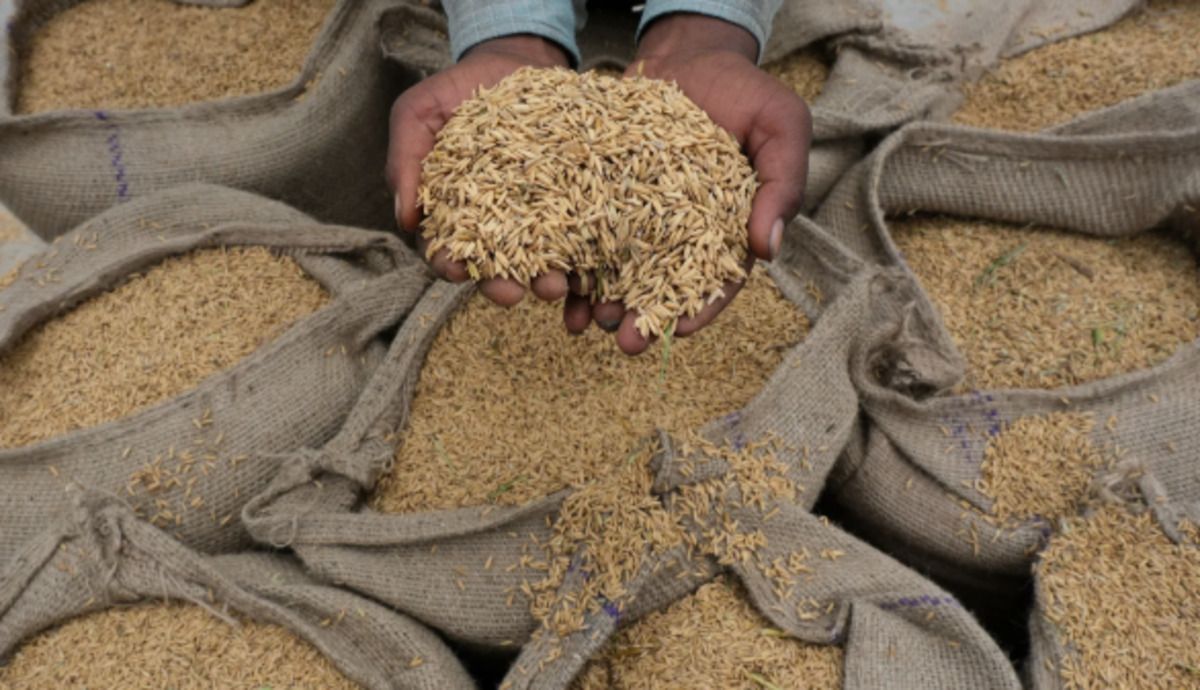
Rice Shortage Pushes Japan Toward ImportsRice is traditionally one of Japan’s strongest domestically produced staples, and played a major role in the decline. A shortage and sharp price increases encouraged consumers and businesses to buy more imported rice, including California-grown varieties appearing in major Japanese supermarkets.
The scale of the shift was striking. Private-sector rice imports reached 96,834 metric tons in 2025, roughly 95 times the 1,015 tons imported a year earlier. The United States supplied 75,638 tons, or about 78% of the total.
(Source: Nippon.com)
That happened despite private rice imports generally facing a tariff of ¥341 per kilogram.
Japan was also forced to release hundreds of thousands of tons of emergency rice reserves during the shortage as retail prices climbed to roughly double year-earlier levels.
Japan Still Far From Its 2030 GoalThe government wants to raise calorie-based self-sufficiency to 45% by fiscal 2030, alongside a 75% target on a production-value basis. Japan has nevertheless remained below 40% on the calorie measure for more than a decade.
The production-value ratio did move in the opposite direction in fiscal 2025 after climbing two percentage points to 66%. This happened as higher domestic food prices increased the value of Japanese agricultural output.
Reaching the calorie target will require more than solving the rice shortage. Japan’s agricultural workforce is shrinking. In fact, the number of core agricultural workers estimated at about 987,000 in 2026 and their average age at 67.7.
For Japan, the record-low ratio is therefore not simply a temporary consequence of expensive rice. It sheds some more light on a much longer-term food-security challenge in a country balancing declining farm labor, limited domestic production and heavy dependence on global supply chains.


Predictions Markets
See what traders are focused on
Share:
Predictions Markets
See what traders are focused on
Share:
Read More
Cypherpunk Offers Zcash NU7 Recommendations as ZEC Price Falls Below $800