Dow Jones Slides as Iran Severs Nuclear Talks and Oil Prices Spike

Share:
Iran abruptly severed nuclear talks on Monday, knocking the Dow down about 280 points (0.8%) as Brent crude jumped over 4% to above $92/bbl and WTI topped $88, with traders pricing roughly 1.5 million bpd of Iranian supply remaining offline and the VIX rising above 18. The oil-led shock raises inflation and Fed-rate risks, creating a risk-off backdrop that is likely to pressure crypto and DeFi markets, slow fundraising and token launches on CEX and DEX platforms, and shift flows toward energy-linked tokens and safe-haven assets.
Predictions Markets
See what traders are focused on

BitcoinWorld
Dow Jones Slides as Iran Severs Nuclear Talks and Oil Prices Spike
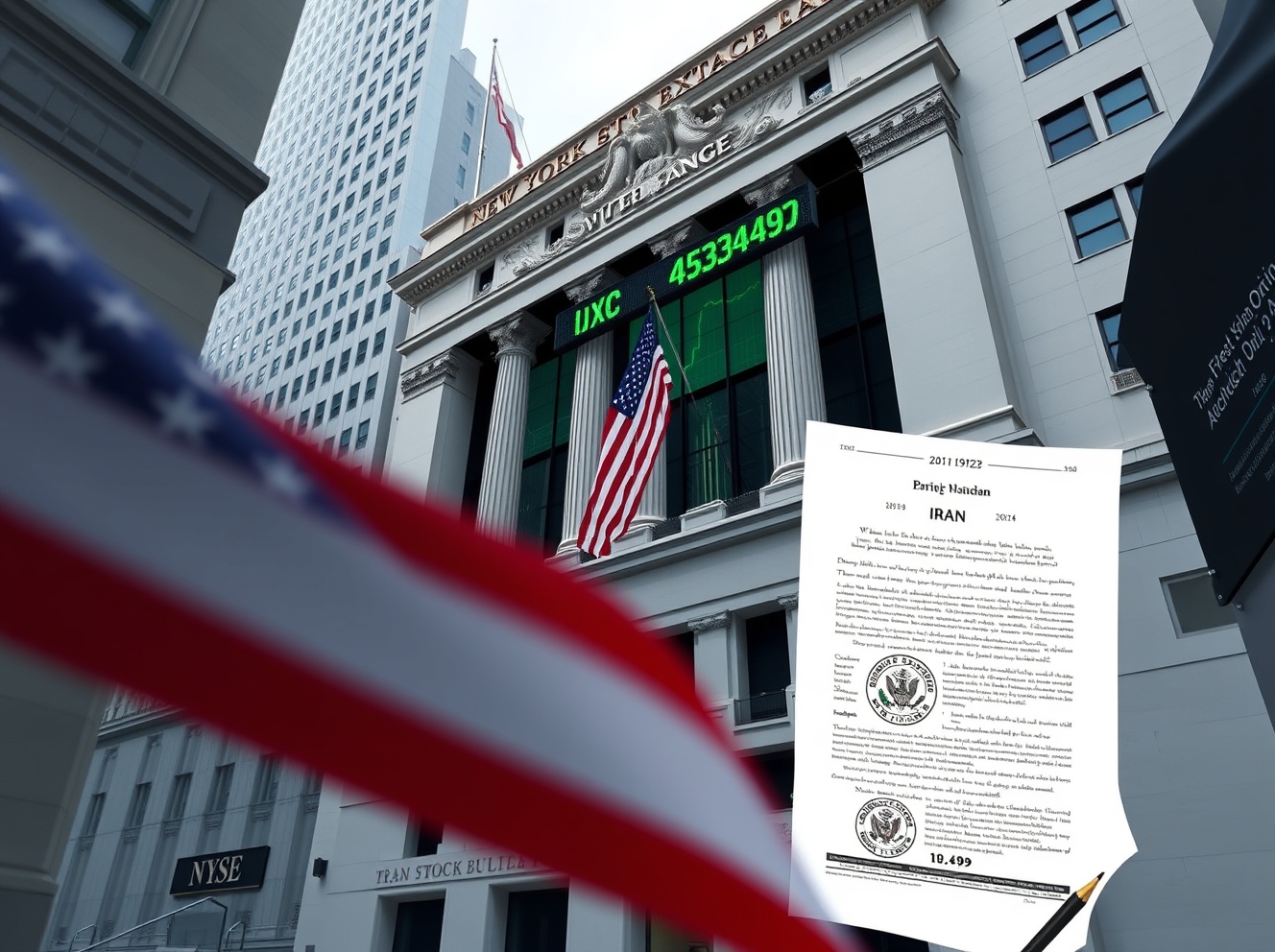
The Dow Jones Industrial Average retreated in afternoon trading on Monday as news broke that Iran had abruptly severed ongoing nuclear negotiations with world powers, sending crude oil prices sharply higher and reigniting concerns over global energy supply stability.
Market Reaction to Geopolitical Shift
The blue-chip index fell by approximately 280 points, or 0.8%, by mid-afternoon, with energy stocks initially rallying before broader selling pressure took hold. The S&P 500 and Nasdaq also posted losses, though the energy sector remained a relative bright spot as investors priced in a higher risk premium on oil.
Iran’s decision to walk away from the negotiating table—after months of indirect talks aimed at reviving the 2015 nuclear deal—caught many market participants off guard. The move was widely interpreted as a signal that diplomatic pathways to easing sanctions on Iranian oil exports have closed, at least for the near term.
Oil Prices Surge on Supply Fears
Brent crude, the international benchmark, jumped more than 4% to trade above $92 per barrel, while West Texas Intermediate (WTI) climbed past $88. The spike reflected immediate concerns that approximately 1.5 million barrels per day of potential Iranian supply will remain locked out of global markets.
Analysts at several major investment banks noted that the market was already grappling with tight supply conditions following production cuts from OPEC+ and ongoing disruptions in Russian exports. The breakdown in talks adds a fresh layer of uncertainty to an already fragile supply-demand balance.
Why This Matters for Investors
For equity investors, the dual shock of higher oil prices and heightened geopolitical risk creates a challenging environment. Rising energy costs typically squeeze corporate margins, particularly for airlines, logistics firms, and consumer goods companies. At the same time, higher inflation expectations may complicate the Federal Reserve’s timeline for interest rate cuts, a key driver of recent market optimism.
Safe-haven assets saw modest inflows. Gold edged up 0.5%, and U.S. Treasury yields dipped slightly as traders sought shelter from the volatility. The CBOE Volatility Index (VIX), often called Wall Street’s fear gauge, rose above 18, its highest level in two weeks.
Broader Implications for Energy Markets
The collapse of talks does not immediately alter physical oil flows, but it removes a key downside risk to prices that many traders had been hedging against. Prior to the breakdown, some analysts had expected a potential deal to bring Iranian barrels back to market within six months, which would have helped cool prices.
Iran’s oil production has been running at roughly 3.2 million barrels per day, down from a pre-sanctions peak of nearly 4 million. Without a diplomatic resolution, that spare capacity remains idle, keeping the market vulnerable to further supply shocks.
Conclusion
The combination of a diplomatic rupture with Iran and a sharp spike in oil prices has injected a fresh dose of uncertainty into financial markets already navigating inflation, interest rate expectations, and slowing growth. While energy stocks may benefit in the near term, the broader market faces headwinds from higher input costs and increased risk aversion. Investors should monitor developments in the Middle East closely, as further escalation could amplify the selloff.
FAQs
Q1: Why did the Dow Jones fall after Iran severed talks?
The Dow fell because the breakdown of nuclear negotiations increased geopolitical uncertainty and triggered a sharp rise in oil prices, which raises costs for many industries and threatens corporate profits.
Q2: How high could oil prices go after this development?
Analysts suggest Brent crude could test the $95–$100 range if supply disruptions worsen or if the situation escalates further, but much depends on whether other producers increase output.
Q3: Which sectors are most affected by higher oil prices?
Airlines, transportation, consumer goods, and manufacturing are most negatively impacted due to higher fuel and raw material costs. Energy companies and oil producers typically benefit from rising prices.
This post Dow Jones Slides as Iran Severs Nuclear Talks and Oil Prices Spike first appeared on BitcoinWorld.


Read More
Dow Jones Rally Reflects a Done Iran Deal, Not the One Trump Is Negotiating