Japanese Yen Holds Ground as Intervention Fears Cap Dollar’s Rise
Share:
Intervention fears have kept USD/JPY around the mid-150s as traders recall October 2022 intervention near 150 and heed repeated official warnings that authorities may sell dollars to buy yen. The yen’s resilience amid wide Japan–U.S. rate differentials and a key U.S. inflation report this week raises FX volatility risk that could spill over into crypto and DeFi markets by affecting USD liquidity and risk appetite.
Predictions Markets
See what traders are focused on

BitcoinWorld
Japanese Yen Holds Ground as Intervention Fears Cap Dollar’s Rise
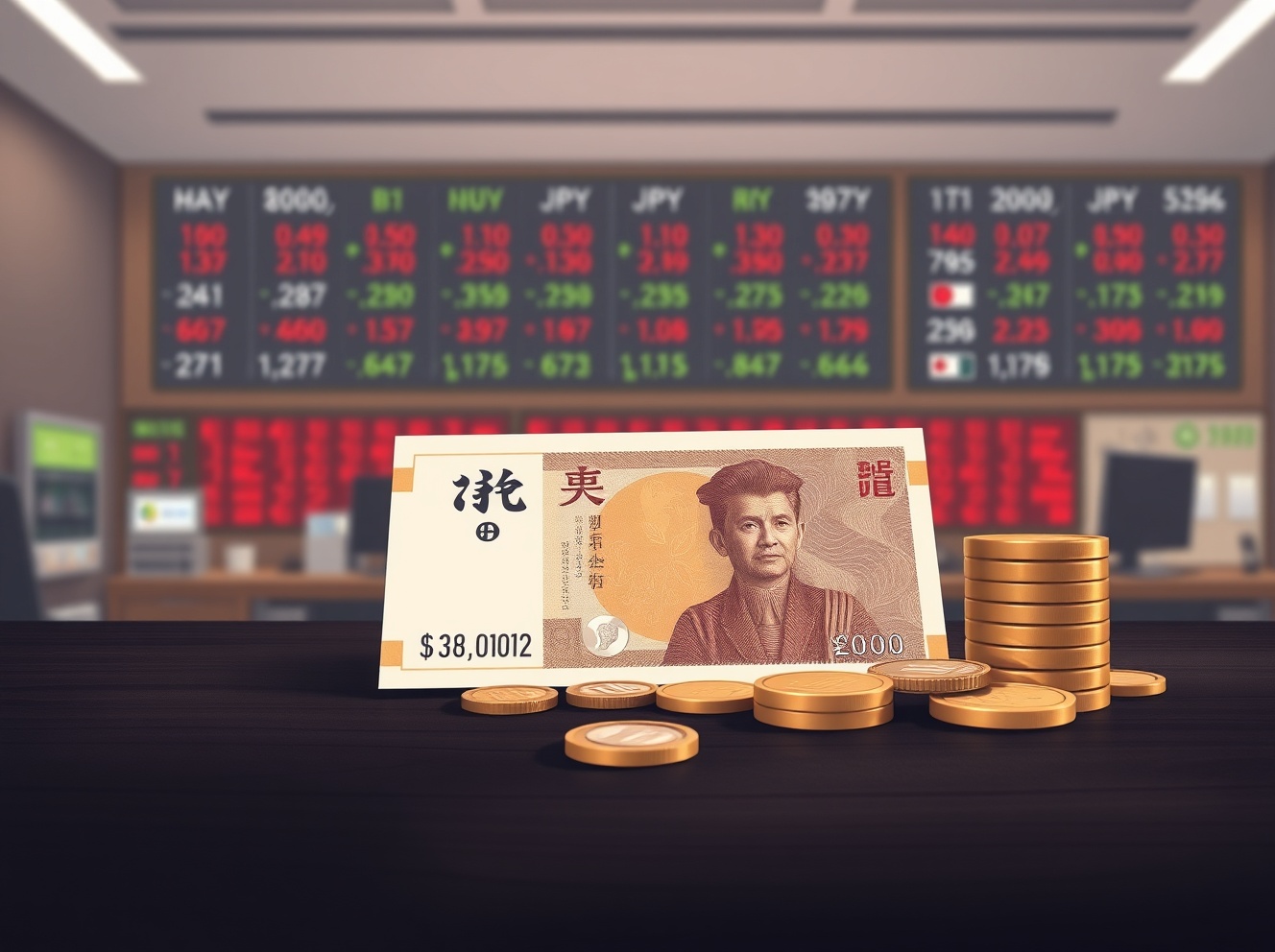
The Japanese Yen remained supported against the U.S. dollar on Tuesday, as traders grew wary of potential intervention by Japanese authorities to stem further weakness in the currency. This caution helped keep the USD/JPY pair within a narrow range, reflecting the market’s sensitivity to any signs of official action.
Why Intervention Fears Are Supporting the Yen
Japan’s top currency diplomat has repeatedly warned against speculative moves in the foreign exchange market, signaling that authorities are ready to act if the yen’s decline becomes disorderly. These verbal interventions, coupled with the yen’s proximity to key psychological levels, have made traders hesitant to push the currency lower. The threat of actual market intervention, which would involve selling dollars and buying yen, adds a layer of risk that encourages caution among speculators.
The yen’s resilience also reflects a broader shift in market expectations regarding the Bank of Japan’s policy normalization. While the BOJ has maintained ultra-low interest rates for years, recent hints of a potential policy adjustment have given the yen some underlying support. However, the interest rate differential between Japan and the U.S. remains wide, which typically pressures the yen. The balance between these factors keeps the currency in a delicate equilibrium.
Market Context and Key Levels
As of this writing, the USD/JPY pair is hovering around the mid-150s, a level that has historically triggered intervention alerts. In October 2022, Japanese authorities stepped in when the yen weakened beyond 150 per dollar, and traders are mindful of that precedent. The Ministry of Finance has not confirmed any specific intervention threshold, but market participants are closely watching for any sharp moves that could prompt official action.
Beyond the intervention angle, the yen’s movement is also tied to U.S. economic data and Federal Reserve policy. Strong U.S. economic indicators tend to boost the dollar, putting pressure on the yen, while signs of a slowdown could ease that pressure. This week’s U.S. inflation report is likely to be a key catalyst, as it will influence expectations for Fed rate cuts later this year.
What This Means for Traders and Businesses
For currency traders, the current environment offers both opportunities and risks. The potential for intervention creates a two-way market, where sharp moves in either direction could trigger official responses. Businesses with exposure to yen-dollar exchange rates, particularly Japanese exporters and importers, should brace for continued volatility. A stable yen is generally favorable for corporate planning, but the threat of sudden shifts adds uncertainty.
From a broader economic perspective, a weaker yen boosts the competitiveness of Japanese exports but raises the cost of imports, particularly energy and raw materials. This dynamic has contributed to inflationary pressures in Japan, which the central bank is keen to manage. Any intervention would likely aim to smooth excessive volatility rather than target a specific exchange rate level.
Conclusion
The Japanese yen’s resilience reflects a market on edge, with intervention risks counterbalancing fundamental pressures. While the currency’s outlook remains tied to interest rate differentials and global risk sentiment, the immediate focus is on official signals and potential policy actions. As long as authorities maintain their verbal warnings, the yen is likely to find support, but traders should remain alert to sudden shifts in rhetoric or market conditions.
FAQs
Q1: What is currency intervention?
Currency intervention occurs when a country’s central bank or finance ministry actively buys or sells its currency to influence its exchange rate. In Japan’s case, authorities would sell U.S. dollars and buy yen to strengthen the currency if it weakens too rapidly.
Q2: How does intervention affect the yen?
Intervention can temporarily boost the yen by increasing demand for it. However, its long-term effectiveness is limited unless accompanied by fundamental policy changes, such as interest rate adjustments.
Q3: Why is the yen under pressure?
The yen has been pressured by the wide interest rate gap between Japan and the U.S., which encourages investors to sell yen and buy dollars for higher yields. Economic data and geopolitical events also influence the currency’s trajectory.
This post Japanese Yen Holds Ground as Intervention Fears Cap Dollar’s Rise first appeared on BitcoinWorld.

Read More

Japan’s Record Yen Intervention: Half Already Spent, What’s Next?