BoJ’s Ueda Signals Further Rate Hikes as Inflation Nears 2% Target
Share:
Bank of Japan Governor Kazuo Ueda signaled further benchmark rate hikes as core inflation nears the 2% target; the BoJ pivoted away from negative rates in March 2024 and currently has a policy rate of 0.25%, with analysts projecting about 0.75% by end-2025. Higher Japanese rates could strengthen the yen, reduce carry-trade funding and repatriation flows, and increase volatility with direct implications for crypto markets—affecting CEX and DeFi lending rates, DEX margin costs, stablecoin yields, token performance and fundraising windows, thereby raising risks for leveraged positions and short-term adoption dynamics.
Predictions Markets
See what traders are focused on

BitcoinWorld
BoJ’s Ueda Signals Further Rate Hikes as Inflation Nears 2% Target
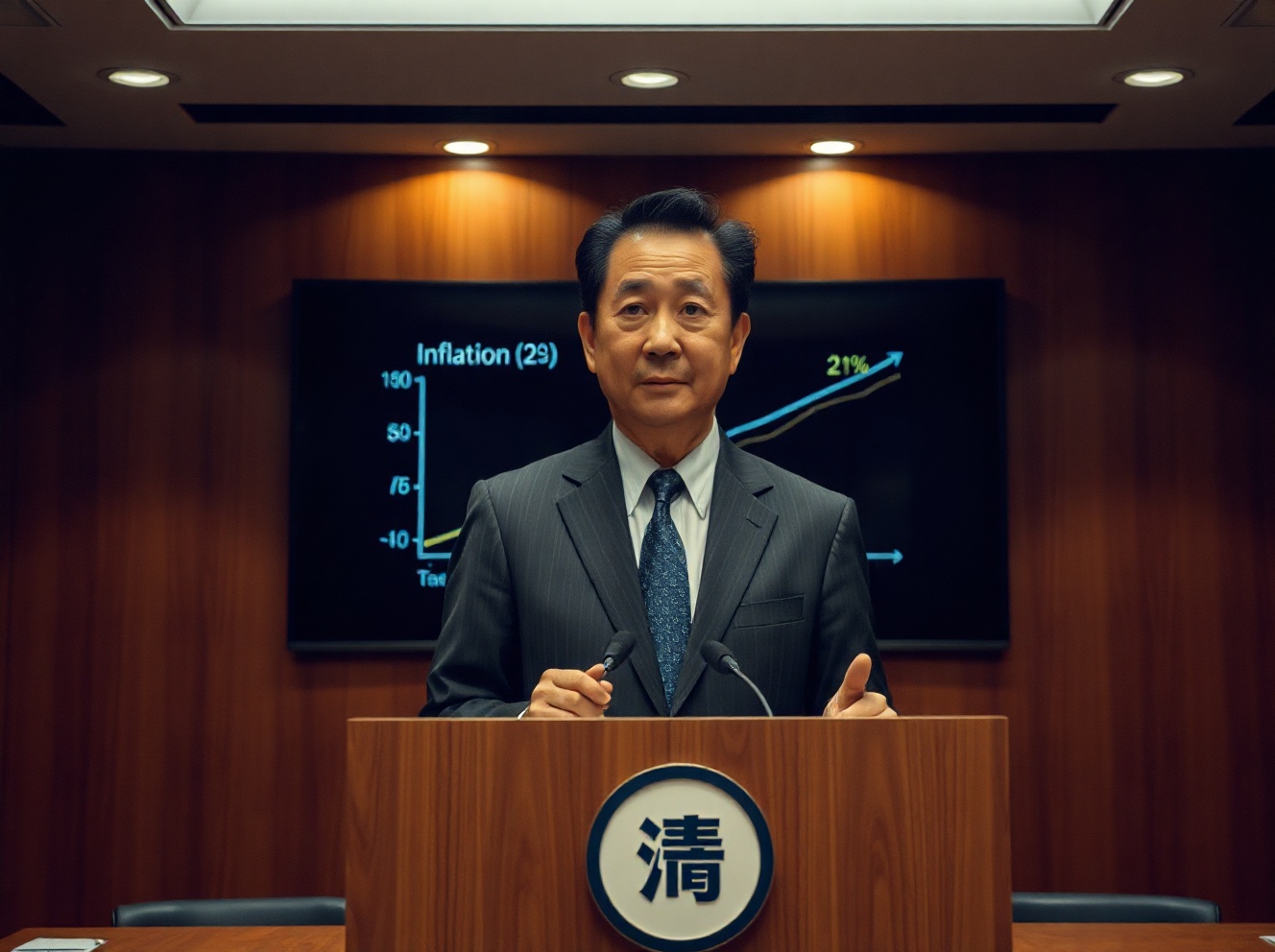
The Bank of Japan (BoJ) is expected to continue raising its benchmark interest rate as underlying inflation steadily approaches the central bank’s 2% target, Governor Kazuo Ueda said in a recent address. The remarks reinforce the BoJ’s gradual normalization path, marking a significant shift from years of ultra-loose monetary policy.
Ueda’s Policy Stance and Rationale
Speaking at a press conference following the BoJ’s monetary policy meeting, Ueda emphasized that Japan’s core inflation — excluding volatile fresh food prices — has been trending higher, supported by robust domestic demand and wage growth. “We expect to continue raising the interest rate if the economy and prices evolve as projected,” Ueda stated, adding that the central bank is closely monitoring the sustainability of wage increases and their impact on service prices.
The BoJ’s policy board has maintained a cautious approach, balancing the need to curb inflationary pressures against the risk of derailing Japan’s fragile economic recovery. The governor’s latest comments signal that the central bank is confident enough in the inflation outlook to proceed with further tightening, likely in measured steps.
Implications for Japanese Markets and Global Investors
Japan’s shift away from negative interest rates — first initiated in March 2024 — has been closely watched by global investors. A sustained tightening cycle could strengthen the yen, impact Japanese government bond yields, and influence capital flows into and out of Japanese equities. For international markets, higher Japanese rates may reduce the appeal of the yen as a funding currency for carry trades, potentially adding volatility to currency markets.
Analysts at major financial institutions have revised their rate path forecasts upward following Ueda’s remarks. Some now expect the BoJ’s policy rate to reach 0.75% by the end of 2025, up from the current 0.25%.
What This Means for Consumers and Businesses
For Japanese households, rising rates could translate into higher mortgage costs and loan repayments, though the impact is expected to be gradual. Businesses, particularly small and medium-sized enterprises, may face increased borrowing costs, but stronger domestic demand and wage growth could offset some of the pressure. The BoJ’s commitment to data-dependent decision-making provides some predictability for corporate planning.
Conclusion
Governor Ueda’s latest comments reaffirm the BoJ’s determination to normalize monetary policy as inflation sustainably approaches its target. While the pace and magnitude of future rate hikes remain uncertain, the direction is clear. Market participants will closely watch upcoming economic data — particularly wage negotiations and service sector inflation — for clues on the timing of the next move.
FAQs
Q1: Why is the Bank of Japan raising interest rates now?
The BoJ is raising rates because underlying inflation is steadily approaching its 2% target, driven by stronger domestic demand and wage growth. After years of ultra-loose policy, the central bank sees this as an appropriate time to normalize monetary policy.
Q2: How will higher Japanese rates affect global markets?
Higher Japanese rates could strengthen the yen, reduce the attractiveness of carry trades, and increase volatility in currency markets. They may also lead to shifts in global bond yields as Japanese investors repatriate funds.
Q3: What is the current BoJ policy rate?
As of the latest meeting, the BoJ’s policy rate stands at 0.25%. Governor Ueda has signaled further increases if economic conditions evolve as projected.
This post BoJ’s Ueda Signals Further Rate Hikes as Inflation Nears 2% Target first appeared on BitcoinWorld.
Predictions Markets
See what traders are focused on
Share:
Predictions Markets
See what traders are focused on
Share:
Read More

Brazil Holds Interest Rate at 14% as Expected, Citing Inflation Risks