Mexico Consumer Confidence Improves in July, Rising to 45

Share:
Mexico’s consumer confidence index rose to 45 in July from 43.8 in June, a 1.2-point gain that remains below the 50 optimism threshold and reflects modest household sentiment improvements amid cooling but elevated inflation and high interest rates. For crypto, the uptick could marginally support payment and remittance-related adoption, stablecoin and DeFi use in consumer-facing sectors, but lingering economic constraints and cautious households limit upside for token investment and broader market growth.
Predictions Markets
See what traders are focused on

BitcoinWorld
Mexico Consumer Confidence Improves in July, Rising to 45
Mexico’s consumer confidence index rose to 45 in July, up from 43.8 in the previous month, according to data released by the national statistics agency INEGI. The increase signals a modest improvement in household sentiment, though the index remains below its pre-pandemic average, reflecting ongoing economic challenges.
What the Data Shows
The headline figure of 45 represents a gain of 1.2 points from June’s reading. This improvement was driven by more optimistic views on the country’s economic situation over the next 12 months, as well as a slightly better assessment of households’ current financial positions. However, perceptions of the current economic state and future personal finances saw more muted gains.
The index, which has hovered in a narrow range since early 2023, remains below the 50-point threshold that separates optimism from pessimism. In July, all five component indicators improved month-over-month, but the overall level still points to lingering caution among consumers.
Why Consumer Confidence Matters
Consumer confidence is a closely watched gauge of economic health because household spending accounts for roughly two-thirds of Mexico’s GDP. When confidence rises, consumers are more likely to increase spending on goods and services, which can stimulate growth. Conversely, prolonged pessimism can dampen demand and slow recovery.
The July uptick aligns with other recent indicators showing resilience in the Mexican economy, including steady remittance flows and a stable labor market. However, inflation, although cooling, remains above the central bank’s target, and high interest rates continue to weigh on borrowing and big-ticket purchases.
Regional and Demographic Variations
INEGI’s data also breaks down confidence by region and socioeconomic level. Urban areas and higher-income households generally report higher confidence than rural regions and lower-income groups, reflecting persistent inequality. These disparities are important for policymakers and businesses tailoring strategies to different consumer segments.
Outlook and Implications
The modest improvement in July could be a positive signal for the second half of the year, but economists caution against overinterpreting a single month’s change. The index remains volatile and sensitive to domestic and global factors, including US economic performance, trade policy, and political developments.
For businesses, the uptick may support consumer-facing sectors such as retail, hospitality, and services. For policymakers, the data reinforces the need to address structural issues like inflation and income inequality to sustain long-term confidence.
Conclusion
Mexico’s consumer confidence improved in July to 45 from 43.8, a positive but modest development. While the index remains in pessimistic territory, the gain suggests that households are slightly more optimistic about the future. Monitoring upcoming months will be key to determining whether this marks a sustained trend or a temporary blip.
FAQs
Q1: What is the consumer confidence index?
The consumer confidence index is a monthly survey by INEGI that measures households’ perceptions of the current and future economic situation, both for the country and their own finances. A reading above 50 indicates optimism, while below 50 signals pessimism.
Q2: Why did consumer confidence rise in July?
The increase was driven by improved expectations for the national economy over the next year and a slightly better assessment of current household finances. All five components improved, but the biggest gains were in forward-looking indicators.
Q3: How does consumer confidence affect the Mexican economy?
Consumer confidence influences spending decisions. Higher confidence typically leads to increased consumption, which supports GDP growth, while low confidence can lead to reduced spending and slower economic activity.
This post Mexico Consumer Confidence Improves in July, Rising to 45 first appeared on BitcoinWorld.

Read More
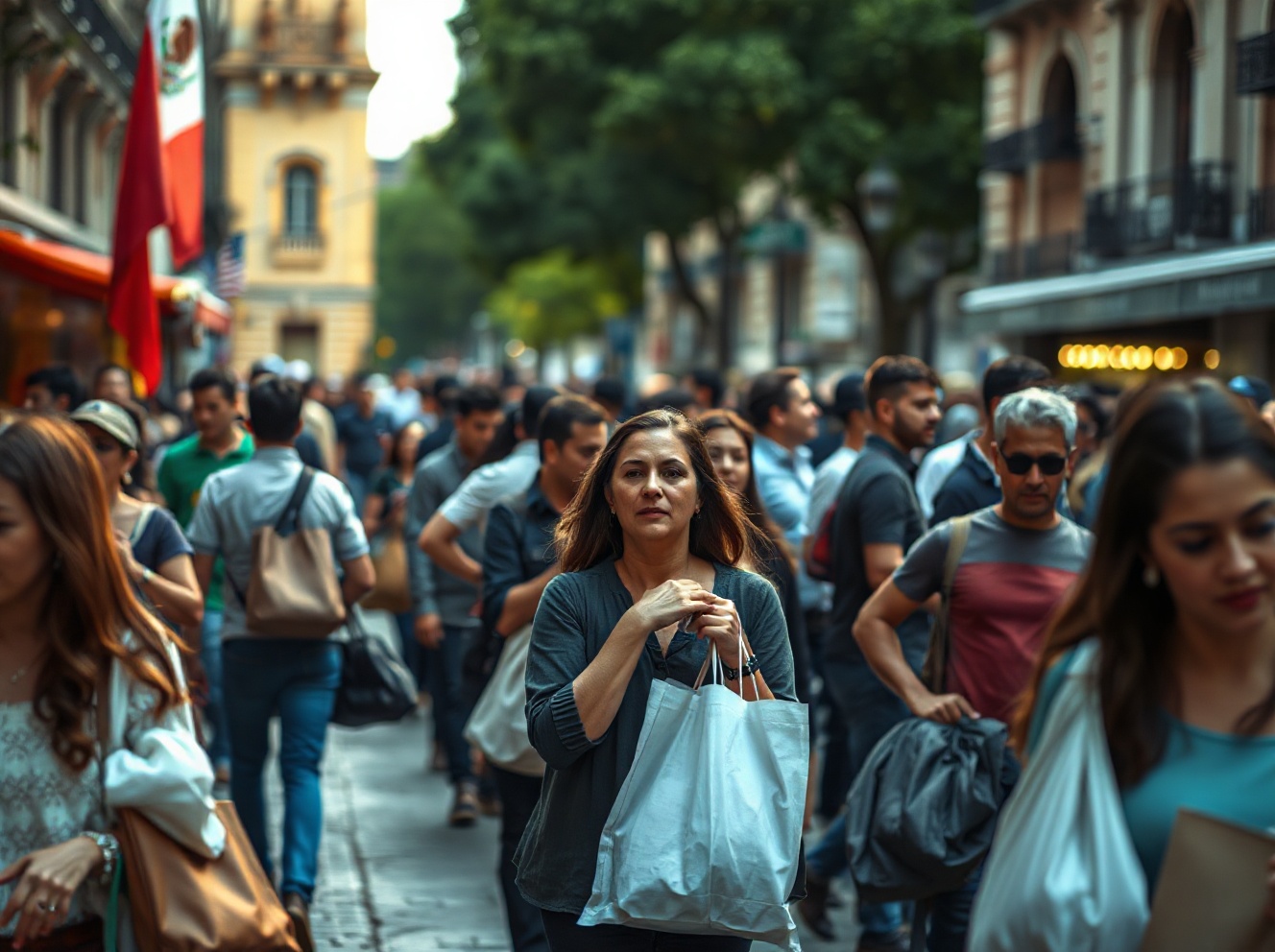
Mexico Consumer Confidence Improves in July, Reaching 45.1