Strait of Hormuz Blockade Crisis: Iran’s Dire Warning of Reciprocal Action Against US Escalation
Share:
Mar 15, 2025: Iran warns of reciprocal action in the Strait of Hormuz — a chokepoint carrying ~21M barrels/day (~21% of global oil) and ~1/3 of seaborne LNG; Brent crude rose ~3.2% after the announcement and historical shocks can lift oil 15–30%. Crypto market implications: the geopolitical shock raises macro volatility that can compress DeFi/CEX and DEX liquidity, stress stablecoin pegs and collateral, increase miner energy cost risk, and weigh on token performance and fundraising/adoption. Monitoring priorities: watch funding rates, on-chain liquidity, CEX reserves, and protocol security; sustained disruption would amplify risk-off flows and operational strain on exchanges and DeFi protocols.
Predictions Markets
See what traders are focused on

BitcoinWorld
Strait of Hormuz Blockade Crisis: Iran’s Dire Warning of Reciprocal Action Against US Escalation
TEHRAN, Iran – March 15, 2025: Iranian officials issued a stark warning today regarding potential reciprocal action against United States naval operations. Specifically, this warning responds to continued American presence in the Strait of Hormuz. Consequently, this development escalates existing tensions in one of the world’s most vital maritime corridors.
Strait of Hormuz Blockade Tensions Reach Critical Point
Nasser Kanaani, spokesperson for Iran’s Foreign Ministry, delivered the warning during an interview. He spoke with Iranian state television on Saturday morning. Importantly, Kanaani stated Iran would take reciprocal measures if U.S. forces maintain their current posture. Furthermore, he described American activities as constituting a de facto blockade of the strategic waterway.
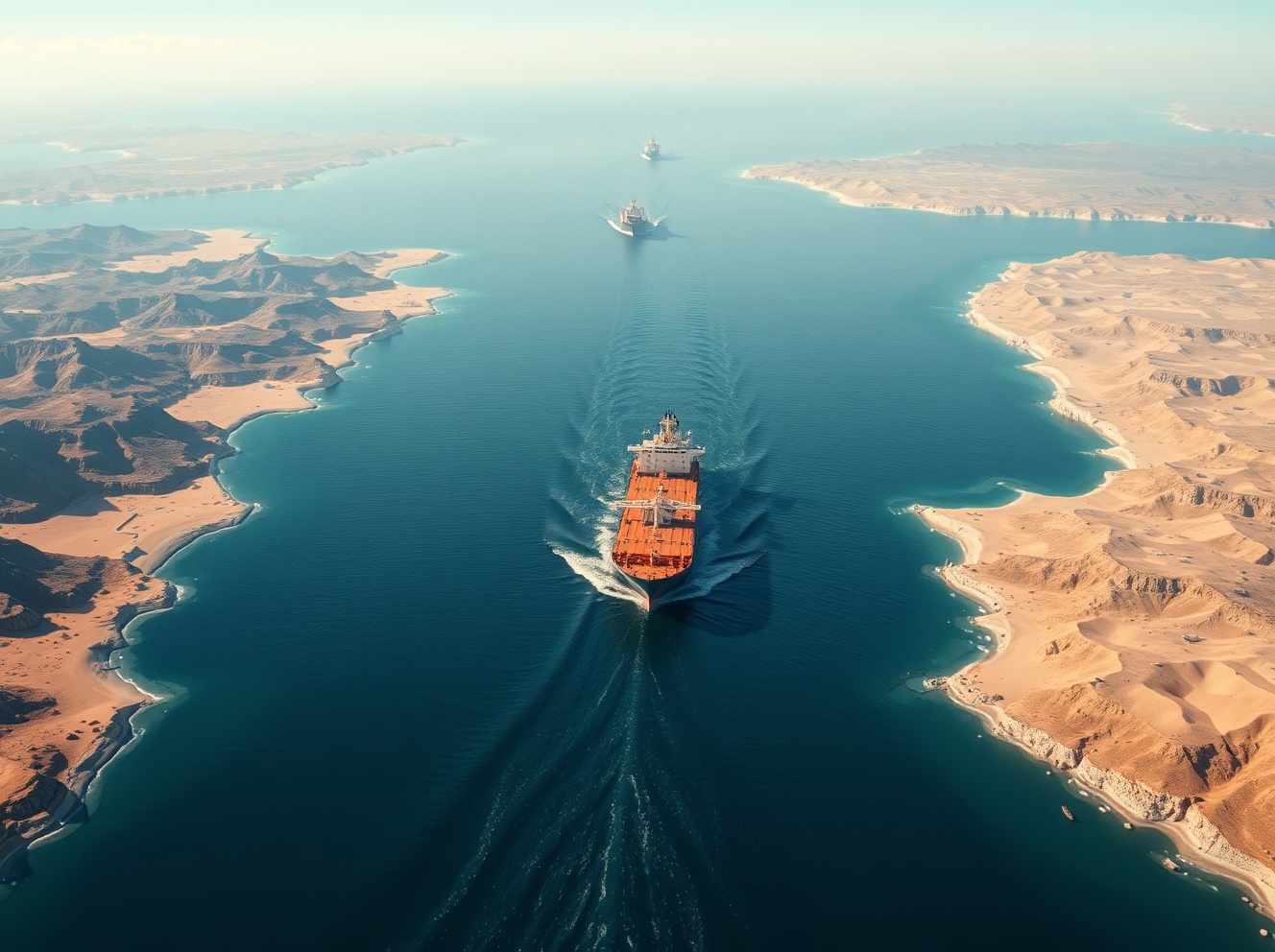
The Strait of Hormuz represents a geographical chokepoint for global energy markets. Approximately 21 million barrels of oil pass through daily. This volume represents about 21% of global petroleum consumption. Additionally, about one-third of the world’s liquefied natural gas travels this route. Therefore, any disruption creates immediate global economic consequences.
Historical Context of Persian Gulf Maritime Conflicts
Current tensions follow decades of intermittent confrontation in the region. The United States Fifth Fleet maintains headquarters in Bahrain. This presence dates back to the 1940s. However, Iranian forces have repeatedly challenged naval movements they perceive as threatening.
Several significant incidents have occurred in recent years:
- 2019: Iran seized the British-flagged tanker Stena Impero
- 2021: Iranian speedboats harassed U.S. Navy vessels
- 2023: Iran captured two commercial tankers
- 2024: U.S. Navy intercepted weapons shipments
These events demonstrate an ongoing pattern of escalation. Moreover, they highlight the strategic importance both nations place on controlling this waterway.
Expert Analysis of Geopolitical Implications
Maritime security analysts express concern about the current situation. Dr. Elena Rodriguez, a Persian Gulf specialist at the International Institute for Strategic Studies, provides context. “The Strait of Hormuz represents the world’s most important oil transit chokepoint,” Rodriguez explains. “Any sustained disruption would trigger immediate global economic shockwaves.”
Rodriguez further notes that Iran possesses multiple asymmetric capabilities. These include swarming tactics using fast attack craft. Additionally, Iran maintains sophisticated anti-ship missile systems along its coastline. Consequently, the Iranian military could significantly complicate navigation without direct confrontation.
Economic Impacts of Potential Strait Disruption
The global energy market reacts sensitively to Persian Gulf developments. Oil prices typically spike following announcements of regional tensions. For instance, Brent crude futures rose 3.2% following today’s announcement. This increase reflects market anxiety about supply security.
Major economies depend heavily on Hormuz transit routes:
| Country | Oil Import Dependency | Primary Alternative Routes |
|---|---|---|
| China | 42% via Hormuz | Russian pipelines, Malacca Strait |
| India | 65% via Hormuz | African cape route |
| Japan | 85% via Hormuz | Limited alternatives |
| South Korea | 70% via Hormuz | Strategic reserves |
This dependency creates vulnerability for Asian economies particularly. Furthermore, European nations face similar challenges despite diversification efforts.
Legal Framework Governing Strait Navigation
International law provides specific guidelines for strait transit. The United Nations Convention on the Law of the Sea establishes transit passage rights. Article 38 guarantees unimpeded navigation through international straits. However, coastal states maintain certain regulatory authorities.
Iran and Oman share territorial waters in the Strait of Hormuz. Both nations exercise sovereignty over their respective territorial seas. Nevertheless, foreign vessels enjoy transit passage rights through the corridor. The United States consistently asserts these rights during naval operations.
Conversely, Iran occasionally challenges these interpretations. Iranian officials sometimes reference security concerns. They argue these concerns justify enhanced monitoring and regulation. This legal ambiguity contributes to recurring confrontations.
Military Capabilities and Regional Balance
The Islamic Revolutionary Guard Corps Navy commands Iran’s asymmetric naval forces. This branch operates hundreds of small, fast attack craft. Additionally, Iran deploys coastal defense cruise missiles and naval mines. These systems create a challenging environment for larger naval vessels.
The United States Fifth Fleet maintains superior conventional capabilities. However, the confined geography of the strait reduces some advantages. Narrow channels limit maneuverability for large warships. Consequently, smaller Iranian vessels can operate effectively in these conditions.
Regional allies complicate the strategic picture. Saudi Arabia and the United Arab Emirates maintain close security partnerships with Washington. Meanwhile, Qatar and Oman pursue more balanced diplomatic approaches. This complex alliance structure influences crisis decision-making.
Diplomatic Channels and De-escalation Efforts
Multiple diplomatic initiatives attempt to reduce tensions. European mediators have proposed confidence-building measures. These measures include enhanced communication protocols. Additionally, they suggest establishing maritime incident prevention mechanisms.
Oman frequently serves as an intermediary between Tehran and Washington. The Sultanate maintains positive relations with both nations. Consequently, Omani diplomats often facilitate backchannel communications. These efforts have prevented several potential escalations previously.
The International Maritime Organization monitors the situation closely. IMO officials emphasize the importance of freedom of navigation. They warn that disruptions threaten global trade stability. Furthermore, they highlight risks to seafarer safety in contested waters.
Conclusion
Iran’s warning regarding reciprocal action in the Strait of Hormuz underscores persistent regional tensions. The strategic waterway remains critical for global energy security. Therefore, any sustained disruption would create immediate economic consequences worldwide. Diplomatic efforts continue seeking de-escalation pathways. However, military posturing by both sides suggests continued volatility. The international community watches developments closely. Ultimately, navigation freedom in this vital corridor affects every major economy.
FAQs
Q1: Why is the Strait of Hormuz so important globally?
The Strait of Hormuz handles approximately 21% of global petroleum consumption daily, making it the world’s most important oil transit chokepoint. About one-third of seaborne traded oil passes through this narrow waterway.
Q2: What specific actions might Iran take in response to U.S. presence?
Iran could employ asymmetric tactics including harassment by fast attack craft, naval mine deployments, anti-ship missile demonstrations, or selective interdiction of commercial shipping. These actions would complicate navigation without necessarily triggering direct military conflict.
Q3: How would a Strait of Hormuz blockade affect oil prices?
Historical data shows oil prices typically spike 15-30% following serious disruptions in the strait. A sustained blockade could push prices above $150 per barrel, triggering global economic repercussions and potential recessions in oil-dependent economies.
Q4: What legal rights do nations have to transit the Strait of Hormuz?
The United Nations Convention on the Law of the Sea guarantees transit passage rights through international straits. All vessels, including military ships, enjoy unimpeded navigation through these waters, though coastal states maintain certain regulatory authorities.
Q5: Which countries would be most affected by a Strait of Hormuz closure?
Asian economies face the greatest vulnerability, with Japan (85% dependency), South Korea (70%), India (65%), and China (42%) importing substantial oil volumes through the strait. European nations also face significant disruption despite diversification efforts.
This post Strait of Hormuz Blockade Crisis: Iran’s Dire Warning of Reciprocal Action Against US Escalation first appeared on BitcoinWorld.


Predictions Markets
See what traders are focused on
Share:
Predictions Markets
See what traders are focused on
Share:
Read More
Iran Vows ‘Necessary Measures’ After US Revokes Oil Sanction Waiver