Tether Files South Korean Trademark for Company Name and Logo, Signaling Market Expansion
Share:
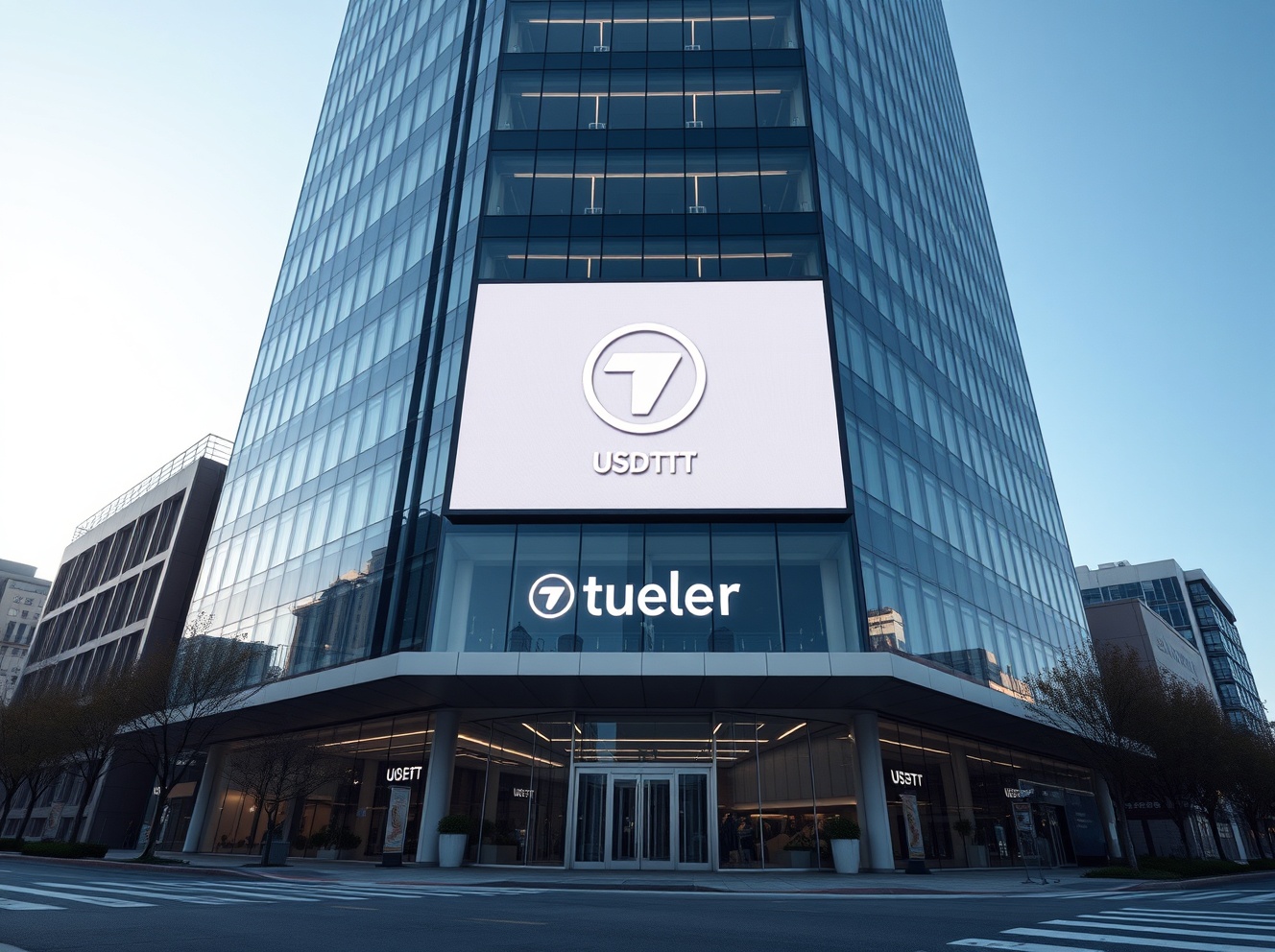
Tether filed a trademark application with the Korean Intellectual Property Office on May 14 for its company name and logo, moving beyond prior product marks like USDT and signaling intent to expand into South Korea’s high-adoption but tightening regulatory crypto market. Following Circle’s December KIPO filing, the trademark is a compliance and brand-protection milestone that could help secure local exchange and banking partnerships and reduce phishing risk, though it does not guarantee immediate market entry.
Predictions Markets
See what traders are focused on

BitcoinWorld
Tether Files South Korean Trademark for Company Name and Logo, Signaling Market Expansion
Tether, the world’s largest stablecoin issuer by market capitalization, has taken a significant step toward expanding its presence in Asia by filing a trademark application in South Korea for its company name and logo. According to records from the Korean Intellectual Property Office’s (KIPO) information search service, the application was submitted on May 14.
From Product Marks to Corporate Branding
While Tether has previously secured domestic trademarks in South Korea, those applications were primarily focused on its stablecoin product names, such as USDT. This latest filing, however, covers the corporate entity itself — including the Tether name and its distinctive logo. This shift in strategy is being interpreted by industry observers as a potential precursor to a full-scale operational entry into one of Asia’s most active cryptocurrency markets.
The move comes at a time when South Korea’s digital asset landscape is undergoing regulatory maturation. The country’s Financial Services Commission has been tightening rules around virtual asset service providers, requiring registration and compliance with anti-money laundering (AML) standards. A trademark registration is often a foundational step for companies seeking to establish a formal legal and commercial presence in the jurisdiction.
Circle’s Precedent and Competitive Dynamics
Tether’s filing follows a similar action by its primary competitor, Circle, the issuer of the USDC stablecoin. Circle filed for a trademark with KIPO in December of the previous year. This parallel activity suggests that both major stablecoin issuers view South Korea as a critical market for growth, despite the country’s historically stringent regulatory environment for cryptocurrencies.
The strategic importance of South Korea cannot be overstated. The nation has one of the highest rates of cryptocurrency adoption per capita globally, with a vibrant retail trading ecosystem. However, it has also experienced high-profile regulatory crackdowns and exchange scandals, making compliance and brand protection essential for any entrant.
What This Means for the Stablecoin Market
For Tether, securing trademark protection is not merely a defensive legal maneuver. It is a signal of long-term commitment. By registering its corporate identity, Tether can more effectively combat brand impersonation, phishing schemes, and unauthorized use of its name — all of which are persistent issues in the crypto space. Furthermore, a registered trademark can facilitate partnerships with local financial institutions and exchanges, which may require proof of intellectual property rights before engaging in business.
For South Korean regulators and users, this move may be viewed as a positive sign of institutional seriousness. Tether has faced scrutiny in various jurisdictions over the transparency of its reserves, but proactive steps like trademark registration indicate a willingness to operate within established legal frameworks.
Conclusion
Tether’s trademark application in South Korea, covering its company name and logo, marks a notable escalation in its Asian market strategy. Following a similar filing by Circle, the move suggests that the competition for stablecoin dominance is extending beyond product features into legal and regulatory preparedness. While the filing does not guarantee immediate market entry, it lays the groundwork for a more formal and compliant presence in a key global crypto hub.
FAQs
Q1: Why is Tether filing a trademark in South Korea?
A1: The filing is seen as a preparatory step for a potential full-scale entry into the South Korean market. It protects the company’s brand identity and facilitates compliance with local regulations.
Q2: How does this compare to Circle’s earlier trademark filing?
A2: Circle filed a similar trademark application with KIPO in December of the previous year. Both actions indicate that major stablecoin issuers are prioritizing South Korea as a strategic market.
Q3: Does a trademark guarantee Tether will operate in South Korea?
A3: No, a trademark application is a legal protective measure and does not guarantee market entry. However, it is a strong signal of intent and is often a prerequisite for formal business operations.
This post Tether Files South Korean Trademark for Company Name and Logo, Signaling Market Expansion first appeared on BitcoinWorld.
In This News
Coins

$ 0.9990
0%
$ 0.99989
0%
$ 0.99974
-0.02%
$ 0.9939


Predictions Markets
See what traders are focused on
Share:
In This News
Coins
$ 0.9990
0%$ 0.99989
0%$ 0.99974
-0.02%$ 0.9939
Predictions Markets
See what traders are focused on
Share:
Read More

Tether Clears KPMG Audit as Reserves Exceed Liabilities by $6.8B