South Korea’s People Power Party Moves to Delay Crypto Tax Again, Targeting 2031
Share:
The People Power Party is preparing a bill to push South Korea’s cryptocurrency investment income tax from January 1, 2029 to January 1, 2031, challenging the government’s plan for a 20% tax (plus local taxes) on annual gains above 2.5 million won. The proposed delay reduces immediate tax burden for crypto investors and trading volume but prolongs regulatory uncertainty for exchanges, institutional adoption and market clarity while lawmakers debate the outcome.
Predictions Markets
See what traders are focused on

BitcoinWorld
South Korea’s People Power Party Moves to Delay Crypto Tax Again, Targeting 2031
South Korea’s opposition People Power Party (PPP) is preparing to introduce another legislative proposal to postpone the implementation of the country’s cryptocurrency investment income tax by an additional two years, according to a report from Edaily. The move adds another layer of uncertainty to the ongoing political debate over how and when to tax digital asset gains in one of Asia’s most active crypto markets.
New Bill Seeks to Push Tax Start to 2031
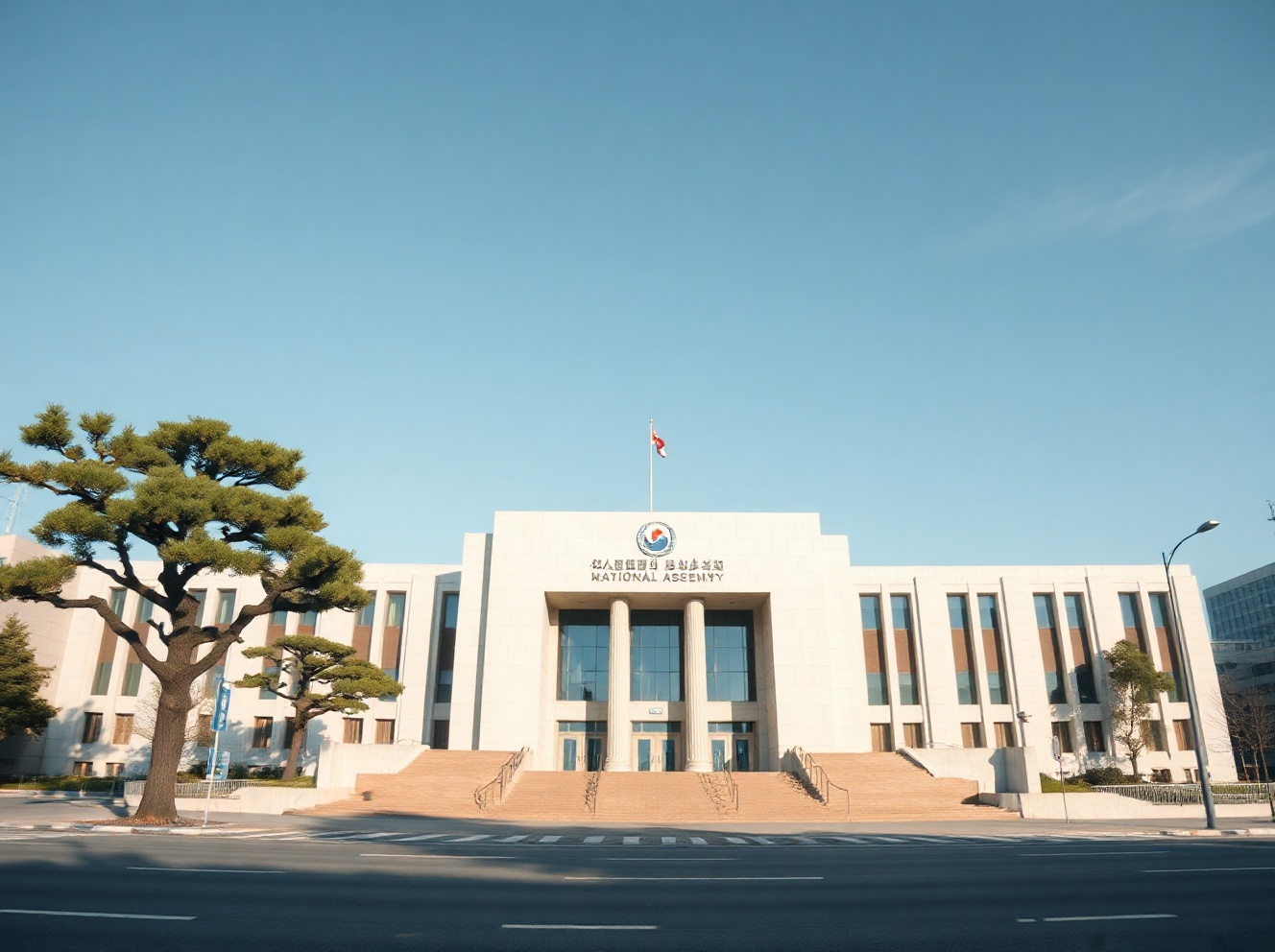
PPP lawmaker Kim Sang-hoon plans to file a partial amendment to the Income Tax Act this month that would delay the start of the crypto tax from January 1, 2029, to January 1, 2031. The bill is currently under review by the National Assembly Secretariat’s legislative office, a procedural step before formal introduction.
This proposal follows a separate bill introduced on August 10 by fellow PPP lawmaker Jeong Seong-guk, which calls for a delay until January 2030. The existence of multiple, overlapping delay proposals within the same party highlights internal disagreements over the optimal timeline, even as the ruling Democratic Party and the government maintain their plan to begin taxation in January 2029.
Political Standoff Over Digital Asset Taxation
The proposed amendments come amid a broader political confrontation over cryptocurrency taxation in South Korea. The government and the ruling Democratic Party have repeatedly affirmed their commitment to implementing the tax as scheduled, citing the need for fiscal revenue and regulatory clarity. However, the PPP has consistently argued that the tax is premature, citing concerns about market volatility, investor protection, and the lack of a mature regulatory framework.
If the National Assembly’s standing committee convenes this month, the issue is expected to trigger a heated clash between the ruling and opposition parties. The outcome will likely depend on the balance of power in the legislature and the willingness of both sides to compromise.
Why This Matters for Crypto Investors
For South Korean crypto investors, the timing of the tax has direct financial implications. The current framework would impose a 20% tax (plus local taxes) on annual crypto gains exceeding 2.5 million won (approximately $1,800). Delaying the tax would allow investors to continue trading without the immediate burden of reporting and paying taxes on their digital asset profits.
Beyond individual investors, the delay debate also affects the broader digital asset industry. South Korea has one of the largest crypto trading volumes globally, and regulatory uncertainty can influence market sentiment, exchange operations, and institutional participation. A clear and predictable tax regime is seen by many industry observers as essential for fostering long-term growth and innovation.
Conclusion
The People Power Party’s latest proposal to delay the crypto tax until 2031 reflects the ongoing political friction over how to regulate and tax digital assets in South Korea. While the ruling party and government remain committed to a January 2029 start, the opposition’s push for a two-year postponement introduces significant uncertainty. The coming weeks are likely to be decisive, as lawmakers debate the future of cryptocurrency taxation in one of the world’s most dynamic crypto markets.
FAQs
Q1: What is the current timeline for South Korea’s crypto tax?
The government and ruling Democratic Party plan to implement a 20% tax on cryptocurrency investment income starting January 1, 2029. However, the opposition People Power Party is proposing delays to 2030 or 2031.
Q2: Who is proposing the new delay bill?
PPP lawmaker Kim Sang-hoon is preparing a bill to push the tax start to January 1, 2031. Another PPP lawmaker, Jeong Seong-guk, has already proposed a delay to 2030.
Q3: How would the crypto tax affect investors in South Korea?
If implemented, the tax would apply a 20% rate (plus local taxes) to annual crypto gains exceeding 2.5 million won. A delay would give investors more time to trade without immediate tax liabilities, but the eventual implementation remains likely.
This post South Korea’s People Power Party Moves to Delay Crypto Tax Again, Targeting 2031 first appeared on BitcoinWorld.


Read More

South Korea Likely to Slow Full Multi-Bank Crypto Exchange Partnerships, Report Says