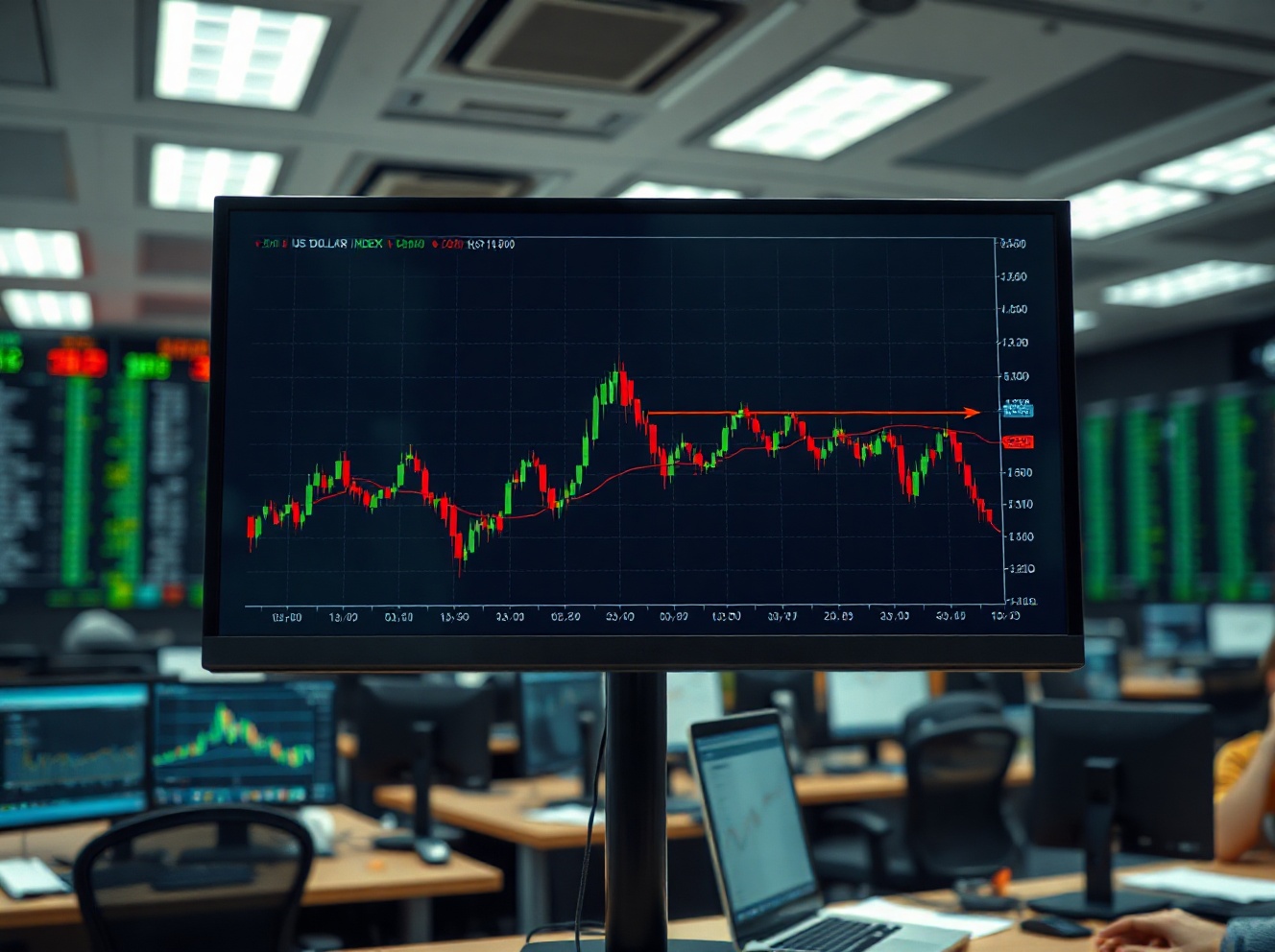
US Dollar Outlook: Danske Bank Sees Mixed Data, Higher Yields as Key Drivers

Share:
Predictions Markets
See what traders are focused on

BitcoinWorld
US Dollar Outlook: Danske Bank Sees Mixed Data, Higher Yields as Key Drivers
Danske Bank’s latest analysis highlights that the US dollar’s near-term trajectory is being shaped by a combination of mixed economic indicators and rising Treasury yields, according to a note released this week.
Mixed Data: What It Means for the Dollar
The US economic landscape has presented a contradictory picture in recent weeks. While some indicators, such as consumer spending and the labor market, have shown resilience, others, including manufacturing activity and consumer confidence, have softened. This mixed data makes it difficult for the Federal Reserve to chart a clear policy path, directly impacting the dollar’s strength. For traders, this means the greenback is likely to remain sensitive to incoming data releases, with each report potentially shifting expectations for rate moves.
Higher Yields: A Double-Edged Sword
Rising US Treasury yields typically support the dollar by attracting foreign capital seeking better returns. However, Danske Bank notes that if yields climb due to concerns about fiscal deficits or inflation rather than strong growth, the positive effect on the currency may be muted. The interplay between yield movements and the dollar is complex, and investors should watch the reasons behind yield changes rather than just the direction. As of mid-2025, the 10-year Treasury yield has been hovering near recent highs, but its impact on the dollar has been inconsistent, reflecting the market’s focus on broader economic narratives.
Why This Matters for Your Portfolio
For anyone holding USD-denominated assets or trading forex pairs, understanding these dynamics is crucial. A dollar that is driven by yields can behave differently than one driven by growth prospects. Diversification and hedging strategies may need adjustment if the current pattern persists. Moreover, for multinational corporations, currency fluctuations directly affect earnings when translated back to home currencies, making this analysis relevant beyond just financial markets.
Conclusion
Danske Bank’s outlook underscores a period of uncertainty for the US dollar, with mixed economic signals and higher yields creating a complex environment. Investors should focus on the quality of economic data and the underlying reasons for yield movements, rather than reacting to headlines. The dollar’s path in the coming months will likely be data-dependent, and maintaining a flexible approach is advisable.
FAQs
Q1: What does ‘mixed data’ mean for the US dollar?
Mixed economic data creates uncertainty about the Federal Reserve’s next policy move. When indicators are contradictory, the dollar can experience volatility as traders adjust their expectations for interest rates, which are a primary driver of currency value.
Q2: How do higher Treasury yields affect the dollar?
Higher yields generally make US assets more attractive to foreign investors, increasing demand for the dollar. However, if yields rise due to inflation fears or fiscal concerns, the dollar’s positive response may be limited.
Q3: Why is Danske Bank’s analysis important?
Danske Bank is a major financial institution, and its currency forecasts are widely followed by investors. Their analysis provides professional insight into market trends, helping individual and institutional investors make informed decisions.
This post US Dollar Outlook: Danske Bank Sees Mixed Data, Higher Yields as Key Drivers first appeared on BitcoinWorld.
Predictions Markets
See what traders are focused on
Share:
Predictions Markets
See what traders are focused on
Share:
Read More

US Dollar Steadies as Markets Await Next Batch of Economic Data