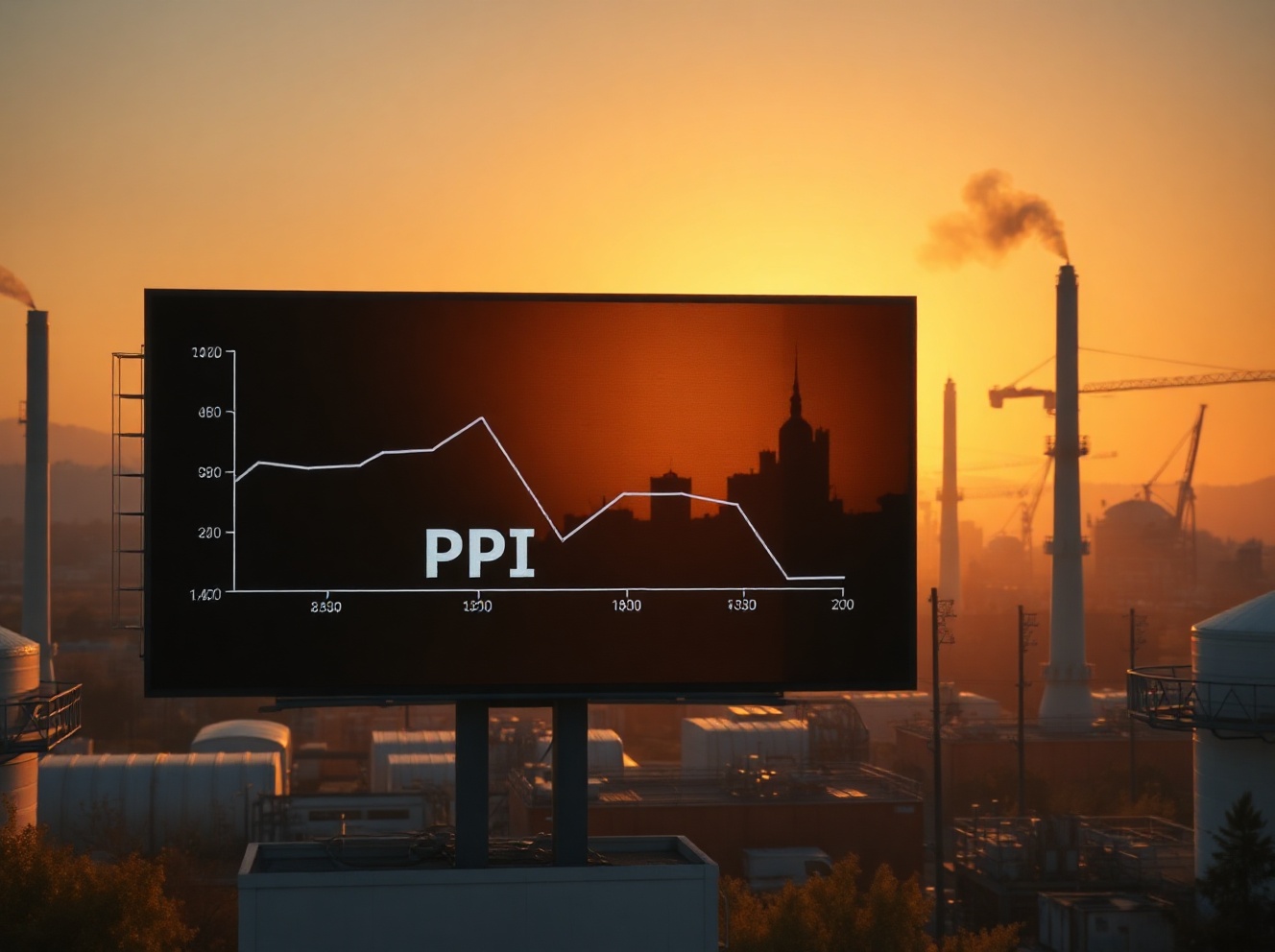
Eurozone Producer Prices Fall 0.3% in June, Matching Forecasts

Share:
Eurozone producer prices fell 0.3% month-on-month in June, matching forecasts and driven mainly by lower energy costs, signaling continued easing of pipeline inflation. The slowdown reinforces expectations that the ECB’s tightening cycle may have peaked, a development that could be supportive for crypto prices and risk-on activity — boosting DeFi, CEX liquidity and token fundraising — although softer industrial demand poses downside risks to longer-term adoption and market impact.
Predictions Markets
See what traders are focused on

BitcoinWorld
Eurozone Producer Prices Fall 0.3% in June, Matching Forecasts
The Eurozone Producer Price Index (PPI) declined by 0.3% month-on-month in June, matching market forecasts and signaling continued easing of pipeline price pressures across the bloc. This data, released by Eurostat, reflects a slowdown in the prices that producers receive for their goods, a key leading indicator for consumer inflation.
What does the June PPI data reveal?
The monthly drop of 0.3% aligns with the consensus expectation, indicating that the disinflationary trend observed in recent months is holding steady. On an annual basis, the PPI is also showing a notable slowdown, which provides further evidence that the sharp energy-driven price shocks of the past two years are continuing to fade from the economic system. This moderation is particularly visible in the energy sector, which has been the primary driver of both the initial surge and the subsequent decline in producer prices.
Why do producer prices matter for the broader economy?
Producer prices are often seen as an early warning signal for consumer inflation. When businesses pay less for their inputs, they are under less pressure to raise the prices they charge consumers. This dynamic is crucial for the European Central Bank (ECB) as it assesses the appropriate path for its monetary policy. The consistent easing in the PPI, as of June, supports the narrative that inflationary pressures are gradually subsiding, potentially giving policymakers more room to consider adjusting their restrictive stance in the coming months.
Implications for the ECB and market outlook
For financial markets, the confirmation of the forecasted decline in producer prices reinforces the view that the ECB’s tightening cycle may have peaked. While the central bank remains data-dependent, a continued downtrend in pipeline inflation pressures could bolster expectations for a policy pivot. The data also suggests that the manufacturing sector is experiencing a period of demand softness, as producers are unable to pass on higher costs. This combination of falling input costs and weak demand typically points to a challenging environment for industrial profitability, a factor that will be closely monitored in upcoming earnings reports.
Conclusion
The Eurozone’s producer price index fell by 0.3% in June, matching expectations and confirming the ongoing moderation of inflationary pressures at the wholesale level. This development provides important context for the ECB’s future policy decisions and signals a continued cooling of price dynamics within the bloc’s industrial sector.
FAQs
Q1: What is the Producer Price Index (PPI)?
The Producer Price Index measures the average change over time in the selling prices received by domestic producers for their output. It is a key economic indicator of inflation at the wholesale level, as it captures price changes before they reach consumers.
Q2: How does the Eurozone PPI affect the European Central Bank’s decisions?
The PPI is a leading indicator for consumer price inflation. A falling PPI suggests that consumer price pressures may also ease in the future. The ECB monitors this data to help determine its monetary policy stance, including decisions on interest rates.
Q3: What was the main driver behind the June PPI decline?
While the report covers all producer sectors, the energy sector has been the most significant contributor to the recent volatility in the PPI. The 0.3% monthly decline in June is largely attributed to a continued fall in energy prices compared to the previous month.
This post Eurozone Producer Prices Fall 0.3% in June, Matching Forecasts first appeared on BitcoinWorld.


Predictions Markets
See what traders are focused on
Share:
Predictions Markets
See what traders are focused on
Share:
Read More
Turkey Producer Price Inflation Eases to 1.52% in July, Signaling Slower Cost Pressures