Oil Prices Rally as Hormuz Shipping Risks Keep Bulls in Play
Share:
Geopolitical tensions in the Strait of Hormuz have pushed a risk premium into oil markets, supporting a rally as the chokepoint handles roughly 20% of global oil flows. Rising oil-driven inflation and higher fuel and shipping costs can increase PoW mining expenses and complicate central bank policy, creating downside pressure on crypto risk assets, DeFi activity and broader market adoption.
Predictions Markets
See what traders are focused on

BitcoinWorld
Oil Prices Rally as Hormuz Shipping Risks Keep Bulls in Play
Oil prices extended gains on [Date] as geopolitical risks in the Strait of Hormuz continued to support bullish sentiment among traders, with benchmark crude futures climbing [X]% to [price] per barrel.
Hormuz Tensions Drive Supply Concerns
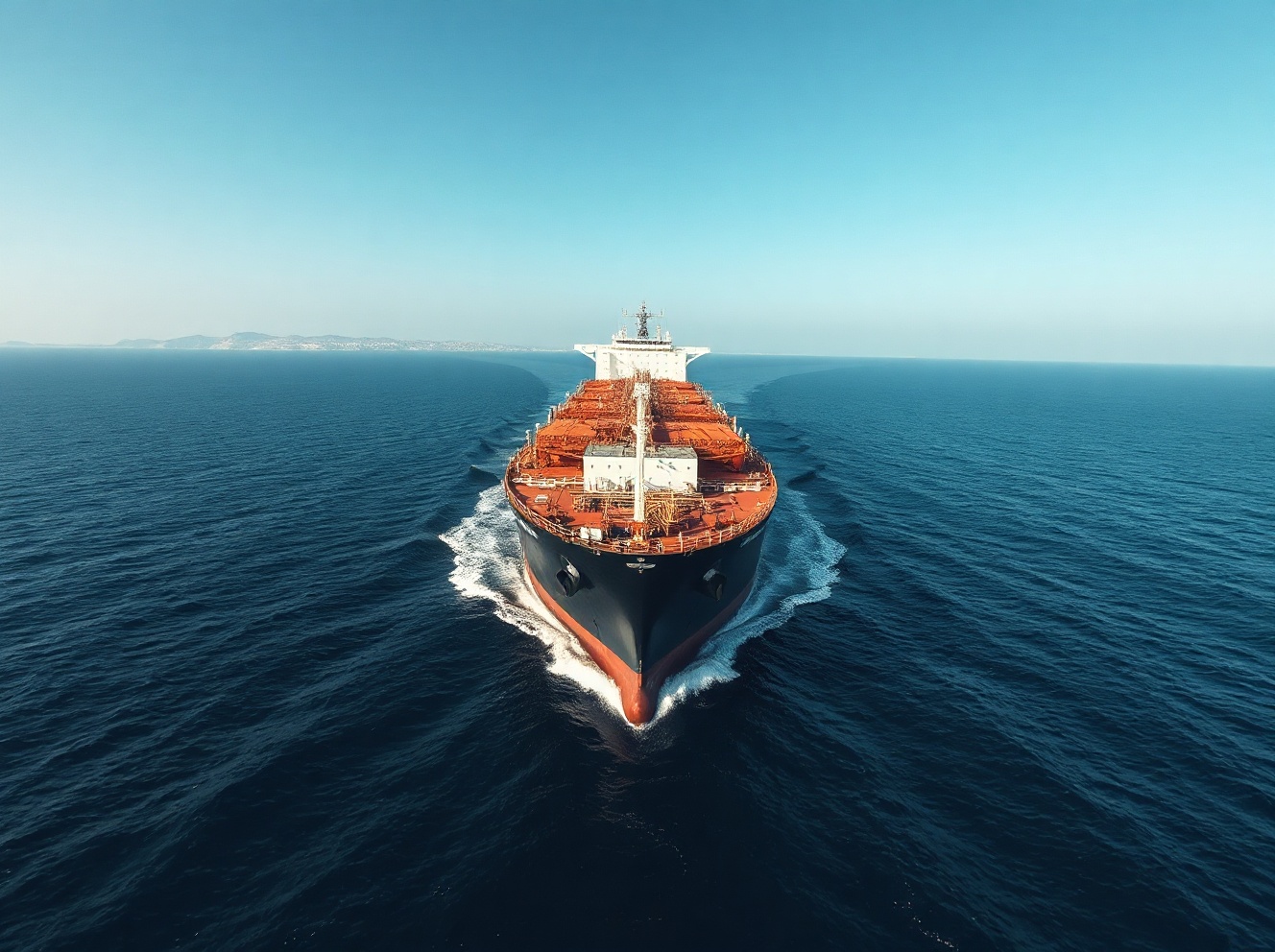
The Strait of Hormuz, a narrow waterway between Oman and Iran, handles roughly 20% of global oil consumption. Recent incidents involving tanker seizures and heightened military activity in the region have reignited fears of supply disruptions, prompting traders to price in a higher risk premium.
While no major supply outage has occurred, the psychological impact on the market is significant. Shipping companies are increasingly wary, and some have adjusted routes or increased insurance costs, which can indirectly affect delivered crude prices.
Market Reaction and Trader Sentiment
The latest price move reflects a broader trend of cautious optimism. Brent crude, the international benchmark, has risen [X]% over the past [time period], while West Texas Intermediate (WTI) has followed suit. Analysts note that the market is balancing geopolitical risks against concerns over global demand, particularly from major economies.
Options markets show increased activity in bullish bets, indicating that many traders expect further upside if tensions escalate. However, some caution remains, as any diplomatic breakthrough could quickly unwind the gains.
Why This Matters for Consumers
Higher oil prices typically translate into increased costs for gasoline, diesel, and jet fuel, affecting consumers and businesses alike. For economies still grappling with inflation, sustained oil price rises could complicate central bank efforts to control price pressures.
Conclusion
As of [Date], oil markets remain sensitive to developments in the Strait of Hormuz. While the immediate risk of a full disruption is low, the potential for escalation keeps bulls engaged. Traders will be watching for any diplomatic moves or military incidents that could shift the balance.
FAQs
Q1: Why is the Strait of Hormuz important for oil prices?
The Strait of Hormuz is a critical chokepoint through which about 20% of global oil passes. Any threat to shipping there can disrupt supply and push prices higher.
Q2: How do geopolitical risks affect oil prices?
Geopolitical risks add a ‘risk premium’ to oil prices, as traders anticipate potential supply disruptions. This can cause prices to rise even without actual shortages.
Q3: What could cause oil prices to fall?
Oil prices could fall if tensions ease, if major producers increase output, or if global demand weakens significantly. A diplomatic resolution in the region would likely reduce the risk premium.
This post Oil Prices Rally as Hormuz Shipping Risks Keep Bulls in Play first appeared on BitcoinWorld.


Read More
Global Yields and Oil Fall as Markets See Progress in US-Iran Talks