Asteroid Gold Rush? The Economics Don’t Add Up
Share:
Asteroid mining’s touted gold rush is economically unrealistic: as of 2025 there are no commercial missions, NASA’s OSIRIS-REx cost over $1 billion to return ~250 g, and launch costs remain about $2,000–$10,000 per kg to LEO with far higher deep-space expenses. Crypto-style fundraising and token-launch hype has mirrored venture interest, but prohibitive costs, engineering and security risks, and the likelihood of crashing precious-metals prices make Earth-return economics unviable while adoption is more plausible for in-space resource use to support exploration.
Predictions Markets
See what traders are focused on

BitcoinWorld
Asteroid Gold Rush? The Economics Don’t Add Up
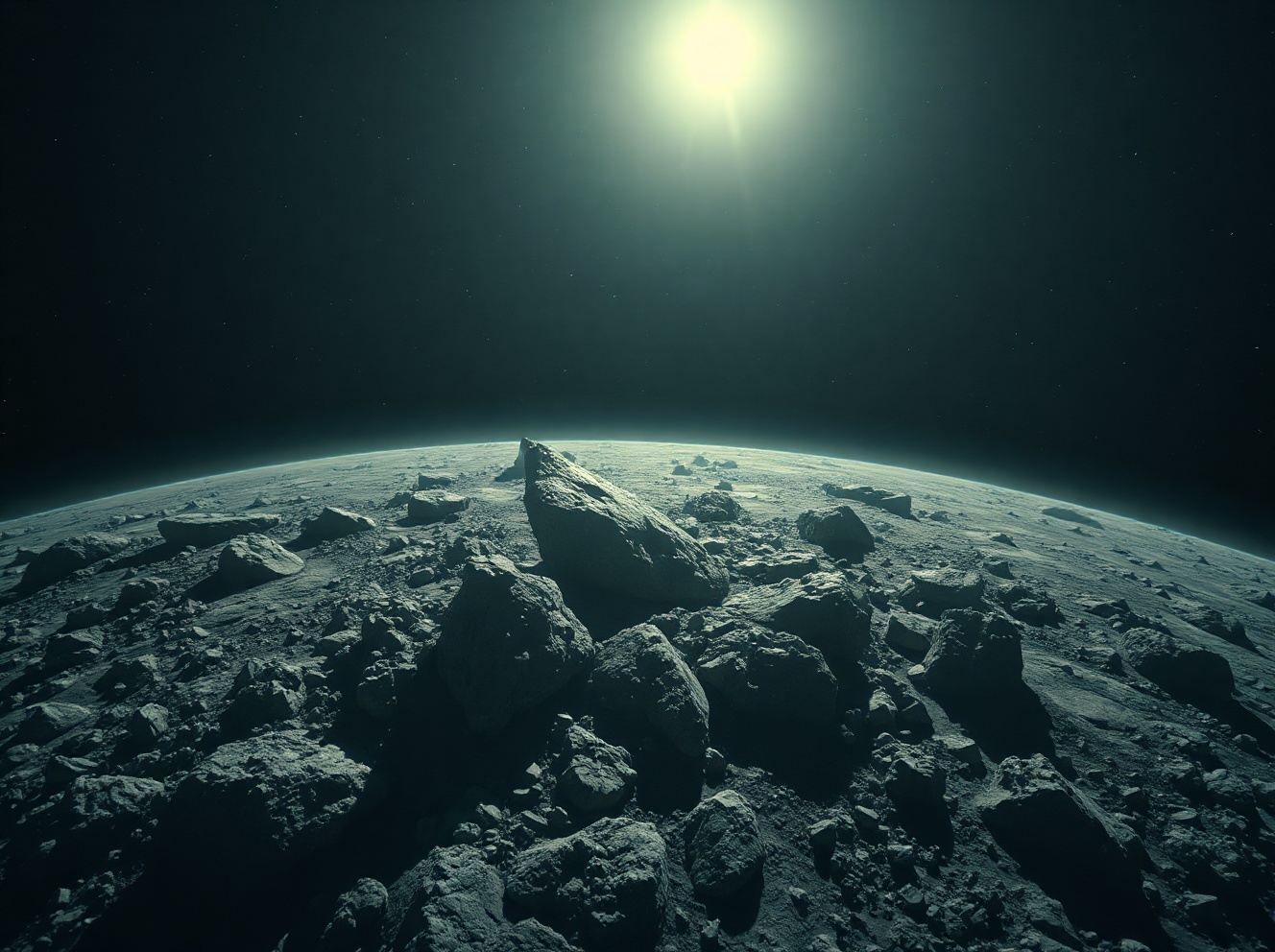
Asteroid mining is often portrayed as a futuristic gold rush that could make early investors unimaginably wealthy, but the economic realities of extracting precious metals from space make it highly unlikely that anyone will get rich mining asteroid gold. As of 2025, no commercial asteroid mining mission has been completed, and the costs and technical challenges remain astronomical.
The Allure of Asteroid Gold
The idea is simple: asteroids contain vast quantities of valuable metals, including gold, platinum, and rare earth elements. A single metallic asteroid, such as 16 Psyche, is estimated to contain metal worth quadrillions of dollars if brought back to Earth. This narrative has fueled public imagination and attracted venture capital to companies like Planetary Resources and Deep Space Industries, both of which have since been acquired or ceased operations.
However, the numbers that make headlines are often misleading. The value of an asteroid’s metals is theoretical, based on current Earth prices, but the cost of actually reaching an asteroid, extracting the materials, and returning them to Earth is so high that it dwarfs the potential revenue. For example, NASA’s OSIRIS-REx mission, which successfully returned samples from asteroid Bennu in 2023, cost over $1 billion, and it returned only about 250 grams of material.
The Real Cost of Space Mining
The fundamental problem is that launching heavy mining equipment into space is extraordinarily expensive. As of 2025, the cost to launch a single kilogram of payload to low Earth orbit is roughly $2,000 to $10,000, depending on the launch provider. Getting equipment to an asteroid in deep space would cost significantly more. Even if the equipment arrives, mining in microgravity is an untested and highly complex engineering challenge.
Moreover, the market for gold and other precious metals is relatively small and easily disrupted. If a large quantity of asteroid gold were suddenly brought to Earth, it would crash the price of gold, making the entire operation even less profitable. This is a classic supply-and-demand problem that many space mining advocates overlook.
Why the Hype Persists
Despite the poor economics, the idea of asteroid mining continues to attract attention. Part of the reason is that it taps into a deep human desire for exploration and adventure. Additionally, some space agencies and private companies are interested in using asteroid resources not for returning to Earth, but for supporting deep-space missions, such as extracting water to make rocket fuel. This is a more realistic and potentially valuable use of asteroid resources, but it is not the same as getting rich from gold.
The hype also serves a purpose for companies seeking investment and for governments looking to justify space exploration budgets. But for the average person, the promise of asteroid gold is a fantasy that is unlikely to materialize in any meaningful way.
Conclusion
While asteroid mining may eventually become a reality for certain resources, the notion of getting rich by mining gold from asteroids is economically unsound. The high costs, technical challenges, and market dynamics make it an unviable path to wealth. Instead, the future of space resources likely lies in using them to enable further exploration, not in bringing precious metals back to Earth. For now, the only gold rush in space is in the realm of science fiction.
FAQs
Q1: How much gold is in an asteroid?
Some metallic asteroids are estimated to contain enormous quantities of gold, potentially worth trillions of dollars at current Earth prices. However, these are theoretical estimates, and no asteroid has been mined for gold to date.
Q2: Why can’t we just mine an asteroid and bring the gold back?
The cost of launching mining equipment, extracting materials in microgravity, and returning them to Earth is currently prohibitive. A single mission can cost billions of dollars, and the resulting gold would likely flood the market, reducing its value.
Q3: Are there any companies actively pursuing asteroid mining?
As of 2025, there are no active commercial asteroid mining missions. Several companies have been founded with that goal, but most have shifted focus or ceased operations due to technical and financial challenges.
This post Asteroid Gold Rush? The Economics Don’t Add Up first appeared on BitcoinWorld.
Predictions Markets
See what traders are focused on
Share:
Predictions Markets
See what traders are focused on
Share:
Read More
Asian Gold Demand Surge Signals Structural Wealth Shift