
Korea Exchange Triggers Sell-Side Sidecar as KOSPI Crashes Over 5%
Share:
Korea Exchange activated a sell-side sidecar after the KOSPI plunged more than 5% intraday, automatically suspending program trading for five minutes while manual orders remain allowed; the mechanism has only been used a handful of times recently. The shock decline, driven by US rate uncertainty, regional geopolitical tensions and weak export data, signals extreme volatility that could spill over to risk assets including crypto and affect CEX liquidity and market stability.
Predictions Markets
See what traders are focused on

BitcoinWorld
Korea Exchange Triggers Sell-Side Sidecar as KOSPI Crashes Over 5%
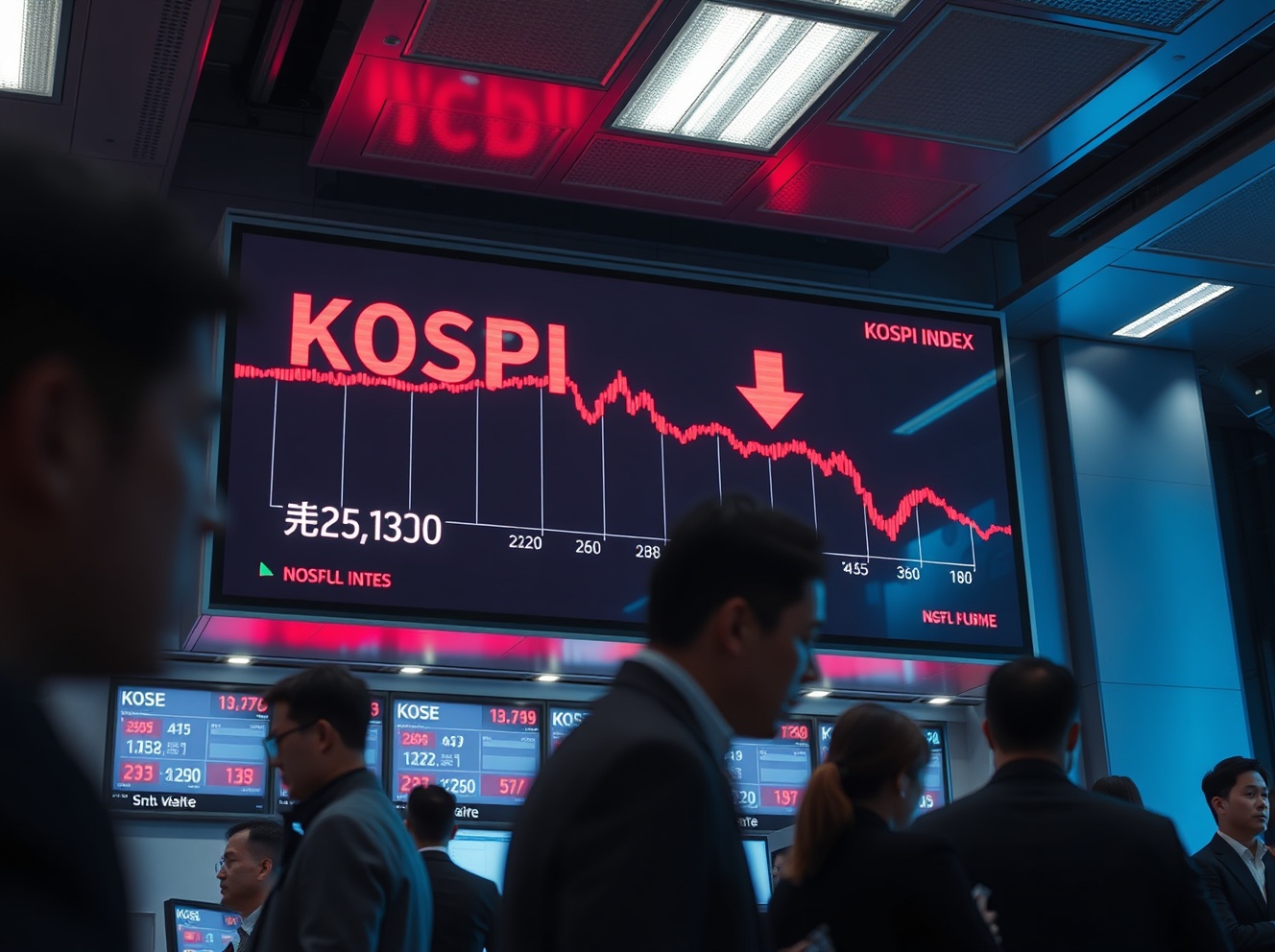
The Korea Exchange activated a sell-side sidecar on [Current Date] after the benchmark KOSPI index plummeted more than 5% during intraday trading. The move is designed to temporarily halt program trading and curb excessive selling pressure, providing a brief cooling-off period for the market.
What is a Sell-Side Sidecar?
A sell-side sidecar is a market stabilization mechanism that suspends program trading orders for five minutes when the KOSPI futures index falls more than 5% from the previous day’s close. It is triggered automatically by the exchange to prevent panic selling and algorithmic cascades. During the halt, only manual orders are processed, allowing human traders to reassess conditions.
Market Context and Implications
The sharp decline comes amid heightened global uncertainty, including concerns over U.S. interest rate policy, geopolitical tensions in the region, and weaker-than-expected export data from South Korea. The KOSPI has been under pressure in recent weeks, and today’s move marks one of the most significant single-day drops this year.
For investors, the activation of the sidecar signals extreme volatility. While the mechanism is intended to stabilize markets, repeated triggers can indicate deeper structural issues. The Korea Exchange has used the sidecar only a handful of times in recent years, making today’s event noteworthy for market watchers.
What Investors Should Know
The sidecar does not halt all trading — only program trading. Retail investors can still place manual orders. However, the five-minute pause often leads to increased volatility once trading resumes. Analysts recommend staying cautious and avoiding panic-driven decisions during such events.
Conclusion
The activation of the sell-side sidecar reflects the severity of the current market sell-off. While the mechanism provides a temporary buffer, the underlying factors driving the decline remain unresolved. Investors should monitor upcoming economic data and central bank announcements for further direction.
FAQs
Q1: What triggers a sell-side sidecar on the Korea Exchange?
A1: It is triggered when the KOSPI futures index falls more than 5% from the previous day’s close, automatically suspending program trading for five minutes.
Q2: Does the sidecar stop all trading?
A2: No, only program trading is halted. Manual orders from individual investors can still be executed during the pause.
Q3: How often has the sidecar been used recently?
A3: The Korea Exchange has activated the sell-side sidecar only a few times in the past several years, making today’s event relatively rare and significant for market observers.
This post Korea Exchange Triggers Sell-Side Sidecar as KOSPI Crashes Over 5% first appeared on BitcoinWorld.
