Europe’s Extreme Weather Poses Growing Risk to Growth, Standard Chartered Says
Share:
Standard Chartered warns that escalating extreme weather across Europe—heatwaves, droughts, floods and storms—is becoming a structural drag by disrupting supply chains, damaging infrastructure and raising insurance claims, potentially shaving up to 0.2 percentage points off GDP growth annually in worst-hit regions and complicating ECB policy. The bank says adaptation and recovery costs will divert investment and dent confidence, prompting investors and policymakers to factor climate resilience into valuations, fundraising and adoption decisions for sovereigns, corporates and even crypto, tokenized assets and DeFi infrastructure reliant on power and physical supply chains.
Predictions Markets
See what traders are focused on

BitcoinWorld
Europe’s Extreme Weather Poses Growing Risk to Growth, Standard Chartered Says
Extreme weather conditions across Europe are increasingly weighing on the region’s economic growth, according to a recent analysis by Standard Chartered.
How Extreme Weather Is Affecting Europe’s Economy
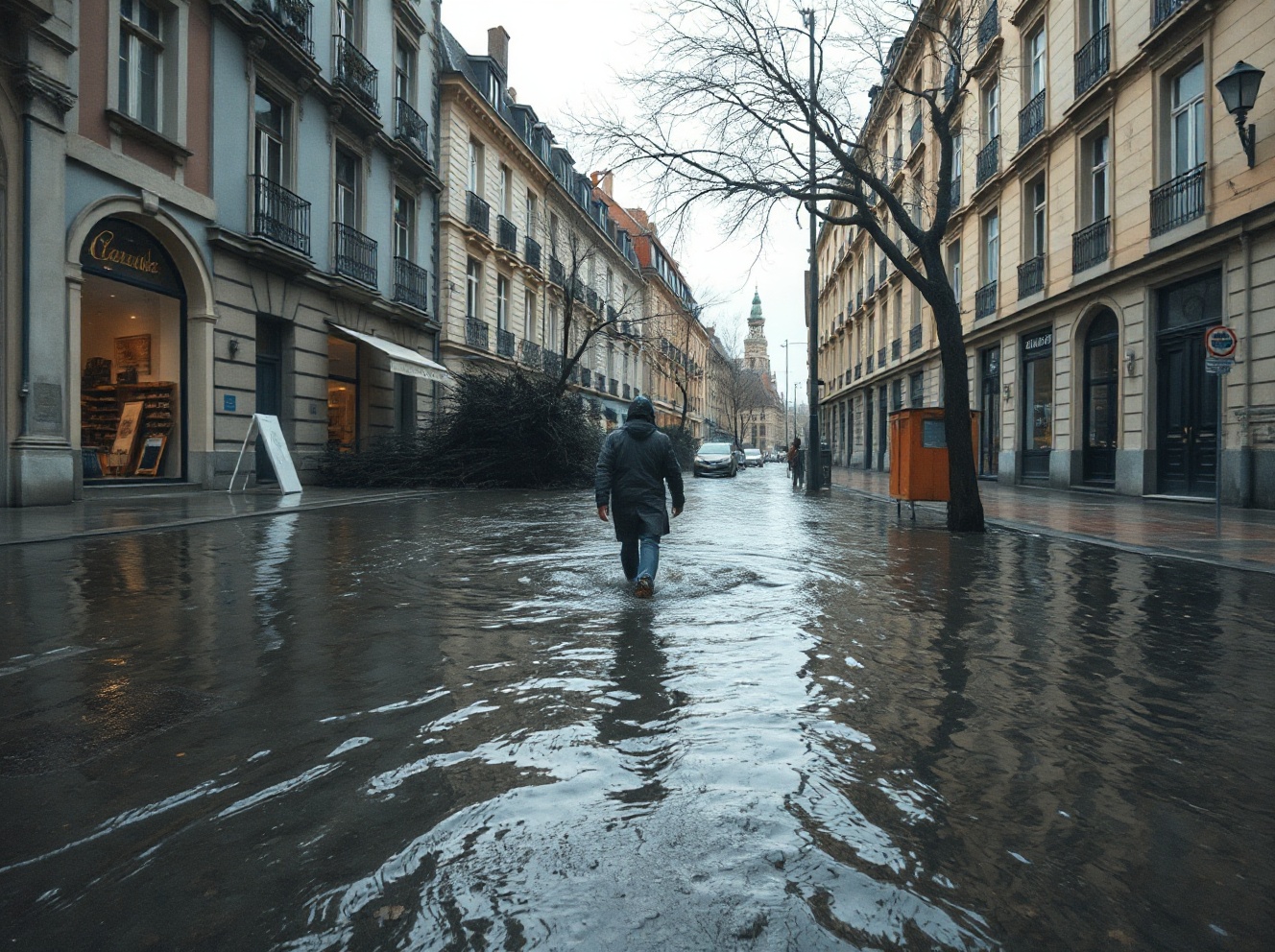
Standard Chartered’s report highlights that severe weather events—ranging from heatwaves and droughts to floods and storms—are becoming more frequent and intense, disrupting supply chains, damaging infrastructure, and reducing productivity in key sectors such as agriculture, tourism, and construction. The bank notes that these impacts are no longer isolated incidents but are becoming a structural drag on growth.
The analysis points to specific vulnerabilities: Southern European countries face heightened risks from heatwaves and water scarcity, while Northern and Central Europe contend with flooding and storm damage. These events not only cause immediate economic losses but also require significant investment in adaptation and recovery, diverting resources from other productive uses.
Implications for the European Economy
The economic consequences are measurable. For instance, the European Central Bank has previously estimated that extreme weather could reduce GDP growth by 0.2 percentage points per year in the worst-hit regions. Standard Chartered’s report aligns with these concerns, suggesting that repeated shocks could dampen investment and consumer confidence, further slowing an already fragile recovery.
Moreover, the insurance sector is feeling the strain, with rising claims leading to higher premiums for businesses and households. This, in turn, adds to inflationary pressures, complicating the European Central Bank’s monetary policy decisions. The report underscores that climate-related risks are now a material factor in economic forecasting.
Why This Matters for Investors and Policymakers
For investors, the report signals that climate resilience is becoming a key factor in assessing company valuations and sovereign risk. For policymakers, it reinforces the urgency of implementing both mitigation and adaptation strategies. The European Union’s Green Deal and its recovery funds are partly designed to address these challenges, but the pace of implementation remains critical.
Conclusion
Standard Chartered’s analysis serves as a stark reminder that extreme weather is no longer a distant threat but a current economic reality for Europe. As the region grapples with these challenges, the need for coordinated action—both to reduce emissions and to adapt to unavoidable impacts—has never been more pressing. The full extent of the economic toll will depend on how quickly governments and businesses respond.
FAQs
Q1: How does extreme weather affect Europe’s GDP?
Extreme weather events like heatwaves, floods, and storms can disrupt supply chains, damage infrastructure, and reduce productivity in sectors such as agriculture and tourism. The European Central Bank has estimated that such events could shave off up to 0.2 percentage points from GDP growth annually in the most affected regions.
Q2: What specific sectors are most vulnerable?
Agriculture is highly vulnerable due to crop failures from droughts or floods. Tourism suffers from heatwaves and coastal erosion. Construction faces delays and damage from storms. Additionally, insurance and energy sectors are impacted through higher claims and infrastructure damage.
Q3: What can be done to mitigate these economic risks?
Mitigation involves reducing greenhouse gas emissions to limit future climate change. Adaptation includes investing in resilient infrastructure, improving early warning systems, and diversifying supply chains. Policymakers can also support affected industries through targeted aid and insurance mechanisms.
This post Europe’s Extreme Weather Poses Growing Risk to Growth, Standard Chartered Says first appeared on BitcoinWorld.


Read More
European Gas Prices Rise as Storage Concerns Mount: ING Analysis