
Euro zone inflation stays above ECB target as Iran fallout widens

Share:
Euro zone inflation stayed above the ECB 2% target in May for a third month as France rose to 2.8% (from 2.5%), Italy to 3.2% (from 2.7%), Spain remained 3.2%, economists expect eurozone headline inflation of 3.3% and core inflation of 2.4%, while Brent crude eased to about $92/bbl from roughly $118. The data raises odds of an ECB rate hike next month and poses downside risks for crypto markets, likely pressuring crypto prices, DeFi and CEX liquidity, token fundraising and adoption and increasing borrowing costs across DEX lending and margin positions.
Predictions Markets
See what traders are focused on

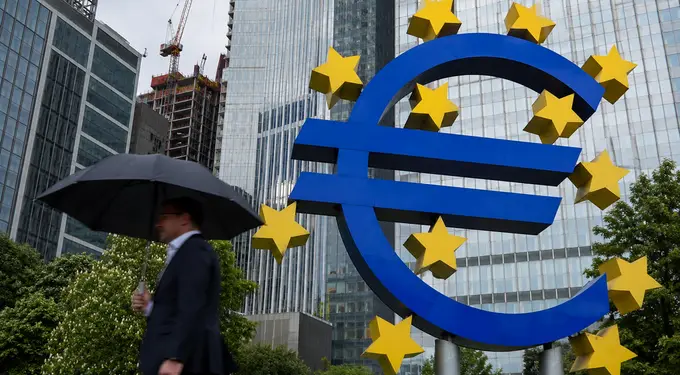
Inflation in the euro zone's four largest economies remained above the European Central Bank's 2% target for a third consecutive month in May, according to preliminary data released on Friday.
Rising fuel costs linked to the Iran war continued to affect consumer prices, with signs that higher energy costs are spreading to other parts of the economy.
The latest figures from France, Italy, Spain and Germany's largest and most economically significant states are likely to reinforce expectations that the European Central Bank could raise interest rates next month.
The data may also increase concerns that elevated inflation is becoming more entrenched across the euro zone.
Inflation rises in France and Italy
National inflation measures increased in both France and Italy during May.
France recorded annual inflation of 2.8%, up from 2.5% in April.
Italy's inflation rate rose to 3.2% from 2.7%.
In Spain, inflation remained unchanged at 3.2%.
Meanwhile, inflation eased in most German states that have reported data so far, including Bavaria and Baden-Württemberg.
Germany introduced a fuel discount for May and June as part of broader measures aimed at reducing the burden of higher petrol prices on consumers.
Fuel costs spread into other sectors
Data from Spain and Italy pointed to strong increases in transport and entertainment prices, suggesting that higher fuel costs are beginning to have wider effects on consumer spending.
France reported a 4.1% increase in fresh food prices.
The country also recorded a modest rise in services inflation.
The figures indicate that energy-related price pressures are no longer confined to fuel markets and are increasingly affecting everyday goods and services.
Oil prices ease but remain elevated
Market expectations have improved following hopes of a deal to end the conflict between the United States and Iran.
Brent crude prices have fallen significantly since late April, declining to around $92 per barrel from approximately $118 at that time.
However, oil prices remain well above the roughly $70 per barrel level seen before the conflict began.
Despite the recent decline in oil prices, economists believe previous increases are still feeding through to consumer prices across the region.
Core inflation also edges higher
Eurozone-wide inflation data is scheduled for release on Tuesday.
Economists expect headline inflation to reach 3.3% in May.
Core inflation, which excludes energy, food, alcohol, and tobacco, is forecast at 2.4%.
Measures of underlying inflation increased in both Italy and Spain.
Italy's core inflation rose to 1.8% from 1.6%, while Spain's measure increased to 2.9% from 2.8%.
According to JPMorgan economist Raphael Brun-Aguerre, the early national data points to additional inflationary pressures.
Manufacturing prices offer some relief
While consumer inflation remains elevated, France continued to experience deflation in manufacturing prices.
The manufacturing data suggest that although inflation remains above target, underlying price pressures may not be as intense as those seen during previous economic disruptions.
The post Euro zone inflation stays above ECB target as Iran fallout widens appeared first on Invezz


