Fed Rate Cuts Delayed Further as Inflation Proves Sticky, Rabobank Warns
Share:
Rabobank now forecasts the Fed will delay interest-rate cuts until later in 2026, possibly the second half of the year, as core PCE inflation remains above the Fed's 2% target driven by sticky services, shelter costs and wage-driven pressures while unemployment stays near historic lows. Prolonged tight monetary policy and higher yields are likely to weigh on crypto prices and fundraising, constrain token launches and adoption, and pressure DeFi, DEX and CEX activity due to a stronger dollar and higher borrowing costs.
Predictions Markets
See what traders are focused on

BitcoinWorld
Fed Rate Cuts Delayed Further as Inflation Proves Sticky, Rabobank Warns
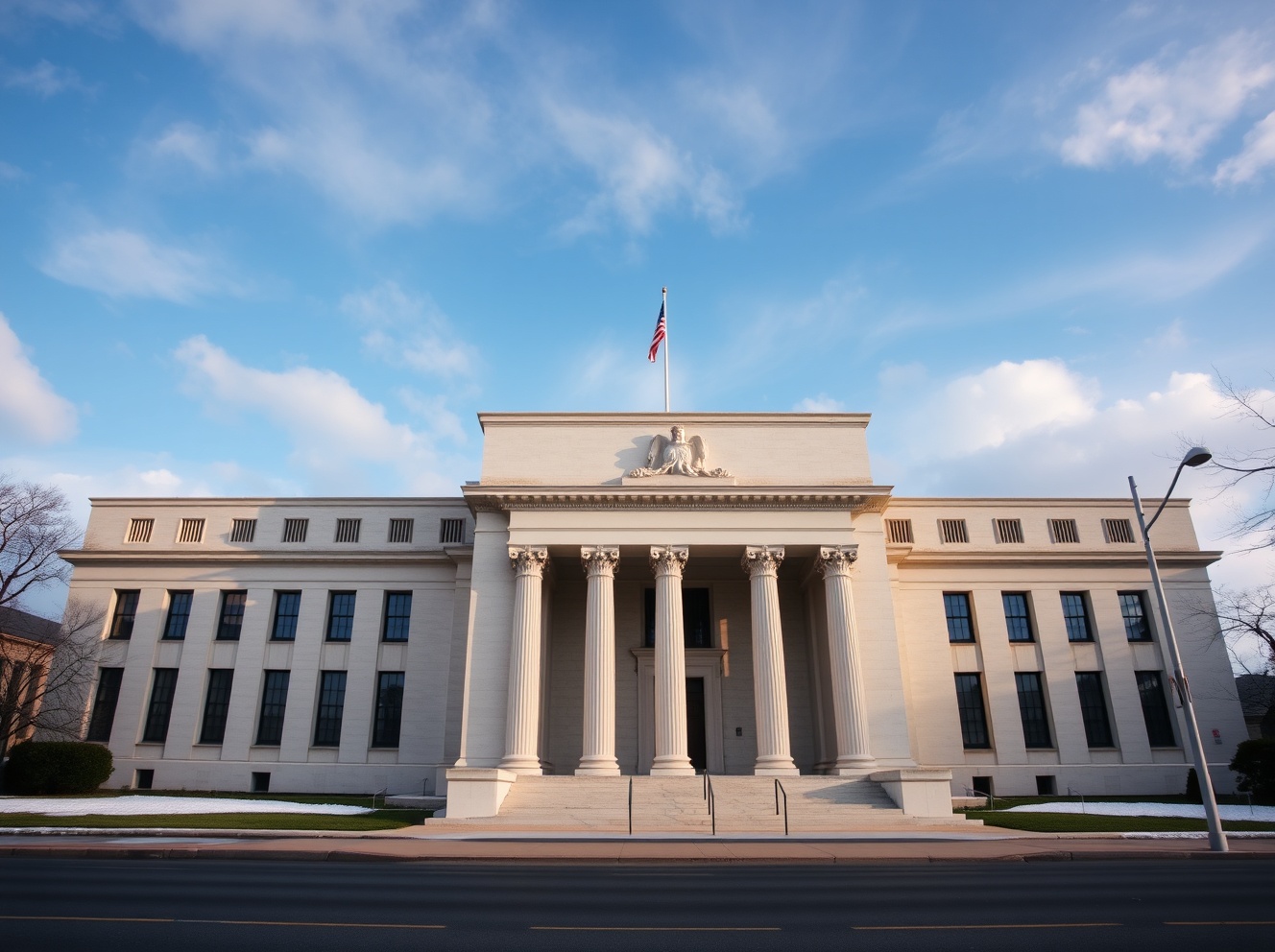
Economists at Rabobank have revised their outlook for U.S. monetary policy, now projecting that the Federal Reserve will postpone interest rate cuts until later in 2026 as inflation remains more persistent than previously anticipated. The forecast adds to a growing consensus among market analysts that the central bank will maintain a cautious stance, keeping borrowing costs elevated to ensure price pressures are fully under control.
Why the Fed Is Holding Steady
Despite earlier expectations that the Fed would begin easing policy in early 2026, Rabobank’s analysis points to several factors keeping inflation above the central bank’s 2% target. Core inflation readings, which exclude volatile food and energy prices, have proven stickier than hoped, driven by persistent strength in services costs, shelter inflation, and wage growth. The labor market remains tight, with unemployment near historic lows, giving the Fed little incentive to rush into rate cuts.
Rabobank’s report emphasizes that the Fed’s preferred inflation gauge, the Personal Consumption Expenditures (PCE) price index, has not shown enough sustained improvement to justify a pivot. The bank’s economists argue that the central bank will need to see several consecutive months of declining core PCE readings before it can confidently signal a shift in policy.
Market Implications and Investor Sentiment
The revised timeline has significant implications for financial markets. Bond yields have already adjusted upward as traders price out earlier rate cuts, while equity markets face renewed uncertainty about the cost of capital for businesses and consumers. Rabobank’s projection suggests that the federal funds rate could remain at its current level—or even face an additional hike—through the middle of 2026.
Investors should prepare for a prolonged period of tight monetary conditions. Sectors sensitive to interest rates, such as housing, automotive, and small business lending, are likely to feel continued pressure. Meanwhile, the U.S. dollar may strengthen further as higher yields attract foreign capital, potentially weighing on export-oriented industries.
What This Means for Borrowers and Savers
For consumers, delayed rate cuts mean mortgage rates, auto loan rates, and credit card APRs are likely to remain elevated for longer. Savers, however, may continue to benefit from higher yields on savings accounts and certificates of deposit, though these rates could begin to decline once the Fed eventually starts cutting. The key takeaway is that the era of cheap money is not returning soon.
Conclusion
Rabobank’s forecast underscores the delicate balancing act facing the Federal Reserve: curbing inflation without triggering a recession. While the economy has shown remarkable resilience, the path to lower rates is now expected to be longer and more gradual than many hoped. For now, the message from the Fed remains clear—patience is paramount, and rate cuts will come only when the data convincingly supports them.
FAQs
Q1: When does Rabobank now expect the Fed to cut rates?
Rabobank projects the first rate cut will occur later in 2026, possibly in the second half of the year, assuming inflation shows sustained improvement.
Q2: Why is inflation still high despite previous rate hikes?
Persistent inflation is driven by sticky services costs, rising rents, and robust wage growth, which have kept core PCE readings above the Fed’s 2% target.
Q3: How might delayed rate cuts affect the stock market?
Equity markets may face headwinds as higher interest rates increase borrowing costs for companies and reduce the present value of future earnings, particularly for growth stocks.
This post Fed Rate Cuts Delayed Further as Inflation Proves Sticky, Rabobank Warns first appeared on BitcoinWorld.

Read More
US Dollar Index Holds Steady After Fed’s ‘Unanimous’ Hold — But the Votes Tell a Different Story