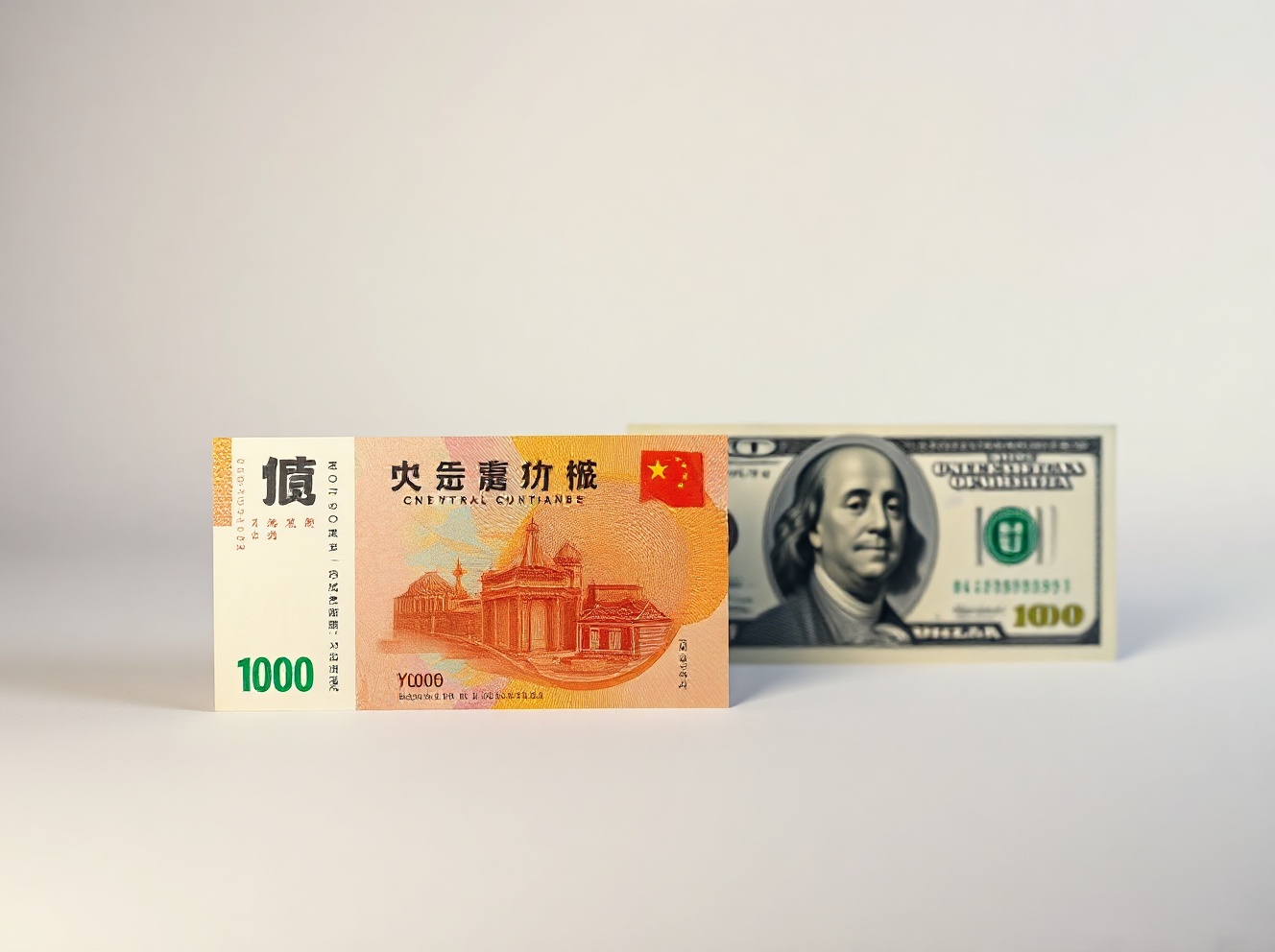
PBOC Sets USD/CNY Reference Rate at 6.7882, Slightly Lower Than Previous Fixing
Share:
The PBOC set the USD/CNY central parity at 6.7882, a slight move from the prior 6.7900, establishing the daily midpoint that lets the onshore yuan trade within a ±2% band. The small depreciation signals continued managed FX policy and, while not dramatic alone, cumulative shifts can affect import costs, capital flows and cross‑border crypto activity, with potential implications for CEX liquidity, DeFi on/off‑ramps and trader positioning, so market participants should monitor trends rather than overreact to one fixing.
Predictions Markets
See what traders are focused on

BitcoinWorld
PBOC Sets USD/CNY Reference Rate at 6.7882, Slightly Lower Than Previous Fixing
The People’s Bank of China (PBOC) set the USD/CNY central parity rate at 6.7882 on [date], slightly lower than the previous fixing of 6.7900. This daily reference rate guides trading in the onshore yuan and serves as a key signal for the currency’s direction.
What is the USD/CNY central parity rate?
The central parity rate is the daily midpoint set by the PBOC for the yuan against the US dollar. It is based on a basket of currencies and market supply and demand. Commercial banks use this rate as a reference for their own trading, with the onshore yuan allowed to move within a band of ±2% around the midpoint. A lower fixing indicates a slightly weaker yuan relative to the dollar.
Market implications of the new fixing
The marginal change in the fixing reflects the PBOC’s management of the yuan amid global market conditions. A lower midpoint can signal a deliberate move to accommodate trade dynamics or capital flows. For traders and businesses, the fixing is the first reference point for daily transactions, so even small shifts can influence intraday positioning. The yuan’s onshore rate typically trades close to the fixing, and any deviation is closely watched for signs of policy intent.
Why does this matter?
For international investors and importers/exporters, the USD/CNY rate directly affects the cost of goods and investment returns. A weaker yuan makes Chinese exports cheaper but increases the cost of imports and overseas debt. The PBOC’s fixing is a tool to maintain stability, and market participants analyze it for clues about future monetary policy and economic priorities. While a single day’s change is small, the cumulative trend over weeks and months is more telling for long-term strategies.
Conclusion
The PBOC’s latest USD/CNY reference rate of 6.7882, down slightly from 6.7900, is a routine but important data point for global markets. It reflects the central bank’s ongoing efforts to manage the yuan in a controlled manner. Traders and businesses should monitor these fixings for broader trends rather than overreacting to daily fluctuations.
FAQs
Q1: What is the PBOC central parity rate?
The PBOC central parity rate is the daily midpoint for the yuan against the US dollar, set by the People’s Bank of China. It serves as a reference for trading and reflects the central bank’s policy stance.
Q2: How does the fixing affect the yuan’s value?
The fixing sets a reference point, and the onshore yuan can trade within a ±2% band around it. A lower fixing suggests a weaker yuan, while a higher one indicates a stronger yuan.
Q3: Why do markets watch this rate closely?
Markets watch the fixing for signals about China’s monetary policy and economic management. Even small changes can influence trade and investment decisions, making it a key indicator for global finance.
This post PBOC Sets USD/CNY Reference Rate at 6.7882, Slightly Lower Than Previous Fixing first appeared on BitcoinWorld.
Predictions Markets
See what traders are focused on
Share:
Predictions Markets
See what traders are focused on
Share:
Read More

Commerzbank: Hungarian Forint Could Gain Near-Term, But Pressure to Return