
Mexico swings to deficit as import surge outpaces export growth

Share:
Feb 2026: Mexico swung to a $463M trade deficit (vs $1.65B surplus a year earlier); total imports rose 20.8% YoY to $57.31B, with non-oil imports +22.6% and intermediate goods +29.5%, indicating stronger domestic demand. Exports grew 15.8% to $56.85B driven by non-oil sectors (non-oil +17.5%); mining +107.6% and manufactured goods +17.1% offset declines in oil exports (-24.2%), agricultural (-12.8%) and a 3.4% drop in auto exports (US shipments -8.7%). Crypto market implications: the wider deficit and potential MXN pressure could increase crypto adoption and remittance demand as a hedge, but uneven export performance and sectoral weakness pose macro risks to funding, DeFi uptake and short-term market sentiment (market impact: negative/neutral).
Predictions Markets
See what traders are focused on

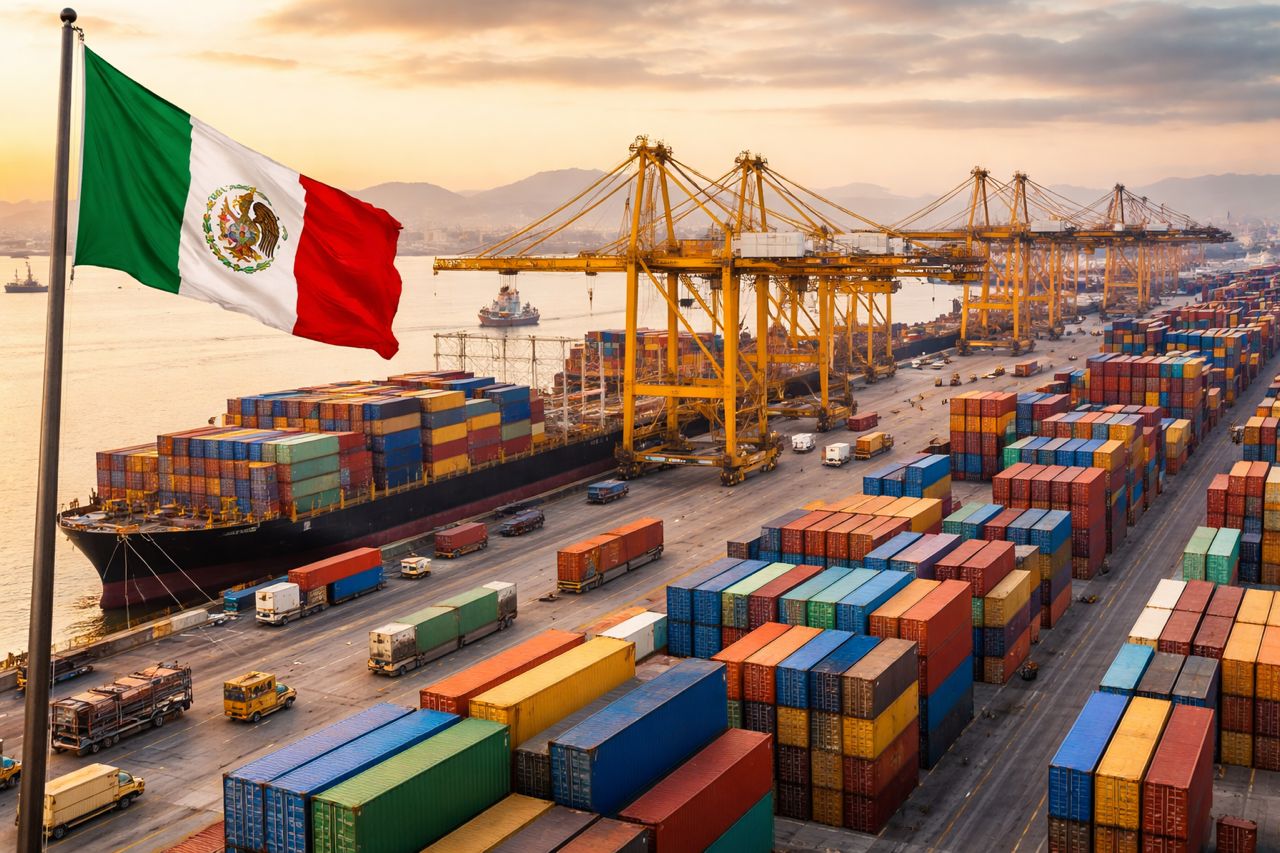
In February 2026, Mexico's trade balance fell to a $463 million deficit, reversing the $1.65 billion surplus from the previous year and exceeding analysts' projections of a $1.2 billion surplus.
A significant rise in imports, which reflected increased domestic demand and a recovery in industrial activity, was a major factor in the unanticipated decline.
In comparison to prior months, total imports increased significantly, rising 20.8% year over year to $57.31 billion.
A 1.4% drop in oil imports was more than offset by a 22.6% increase in non-oil purchases, which drove the increase.
This implies that the surge was primarily caused by domestic production and consumption needs rather than energy demand.
The strong demand for inputs used in manufacturing and industrial processes was highlighted by the 29.5% increase in intermediate goods among non-oil imports.
Consumer goods imports, on the other hand, rose 5.5%, suggesting consistent household consumption in spite of worldwide unpredictability.
The overall trade balance eventually fell into deficit territory as a result of the strength of imports outweighing gains on the export side.
Export growth remains strong but uneven
With a 15.8% year-over-year increase to $56.85 billion in February, exports also saw strong growth, due to the non-oil sectors' strong performance.
Non-oil exports rose 17.5% as a result of significant growth in important categories.
The strongest growth among export components was seen in mining products, which increased by 107.6% due to favourable conditions in global commodity markets and increased external demand.
Manufactured goods increased by 17.1% concurrently, solidifying Mexico's position as a significant industrial exporter.
However, not every sector had the same export performance.
Agricultural exports declined by 12.8%.
There were signs of stress in the automotive industry, one of Mexico's most important export drivers.
Shipments to Mexico’s largest trading partner, the United States, fell 8.7%, contributing significantly to the 3.4% decline in automobile exports.
Furthermore, overseas oil sales dropped precipitously by 24.2%.
Non-oil trade anchors external performance
Mexico's external sector remained resilient despite the headline deficit, especially in non-oil trade.
Due to widespread demand in important markets, total non-oil exports continued to grow rapidly.
The 15.9% increase in shipments to the US highlights the ongoing strength of bilateral trade relations.
In the meantime, exports to other foreign markets increased by 26.4%, indicating that Mexico's export markets are becoming more diverse.
This growth demonstrates the increasing significance of non-oil industries in maintaining Mexico's trade performance despite challenges facing more established sectors like oil and automotive.
Trade dynamics reflect domestic and external pressures
Several internal and external factors have contributed to the shift into deficit.
Growing consumer and intermediate goods imports indicate higher domestic demand and more production activity.
The overall trade surplus was constrained on the external front by uneven export performance, especially drops in oil and automobile shipments.
Although export growth continued to be strong, it was insufficient to counteract the sharp increase in imports.
Overall, the data indicate that changes in domestic demand and sector-specific export performance are having a greater impact on Mexico's trade balance.
Non-oil exports are still strong, which is encouraging, but whether export growth can keep up with growing import demand in the coming months will determine the overall balance.
The post Mexico swings to deficit as import surge outpaces export growth appeared first on Invezz


Predictions Markets
See what traders are focused on
Share:
Predictions Markets
See what traders are focused on
Share: