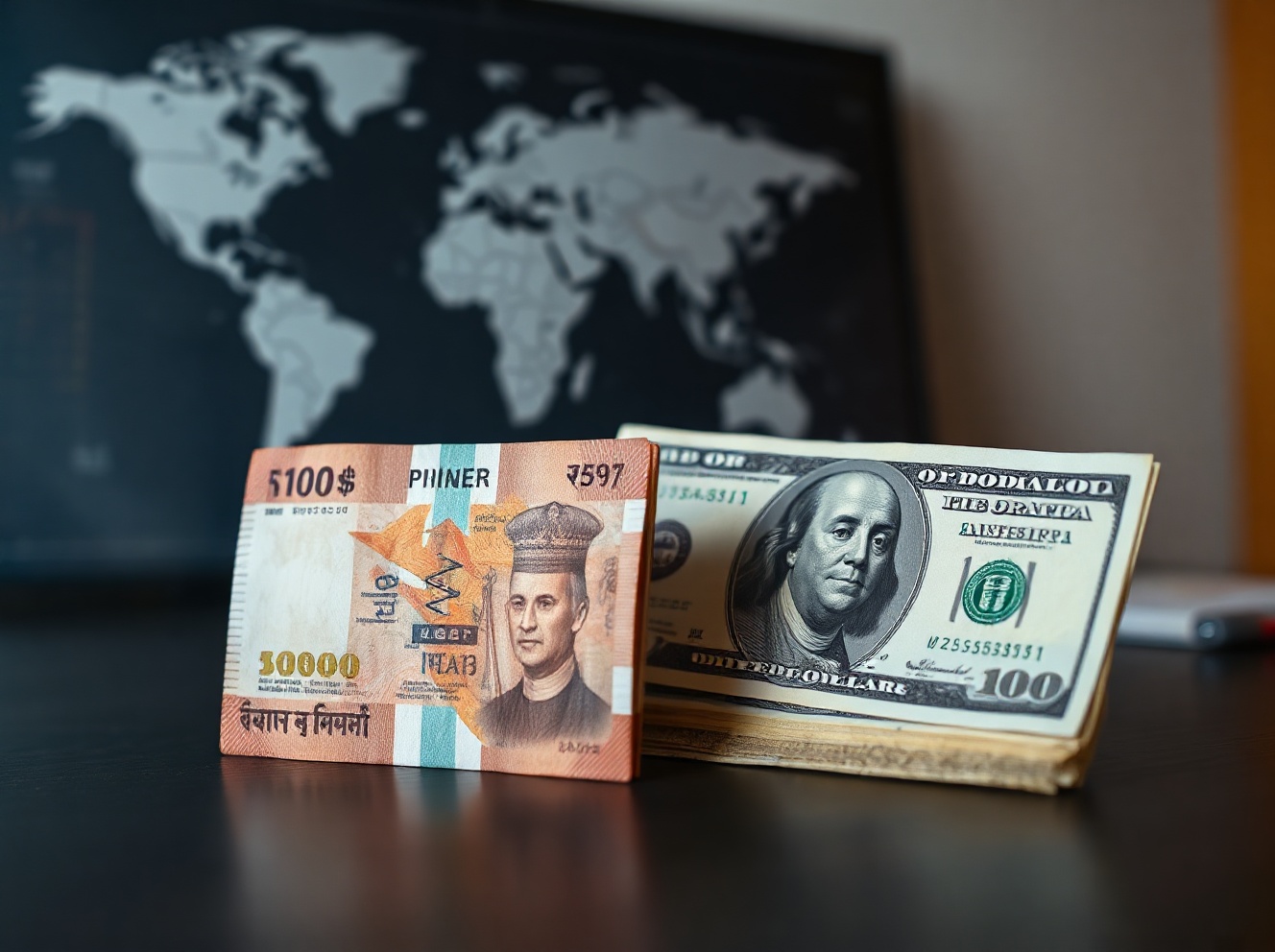
Forex Today: Market Sentiment Improves as US and Iran Renew Diplomatic Push
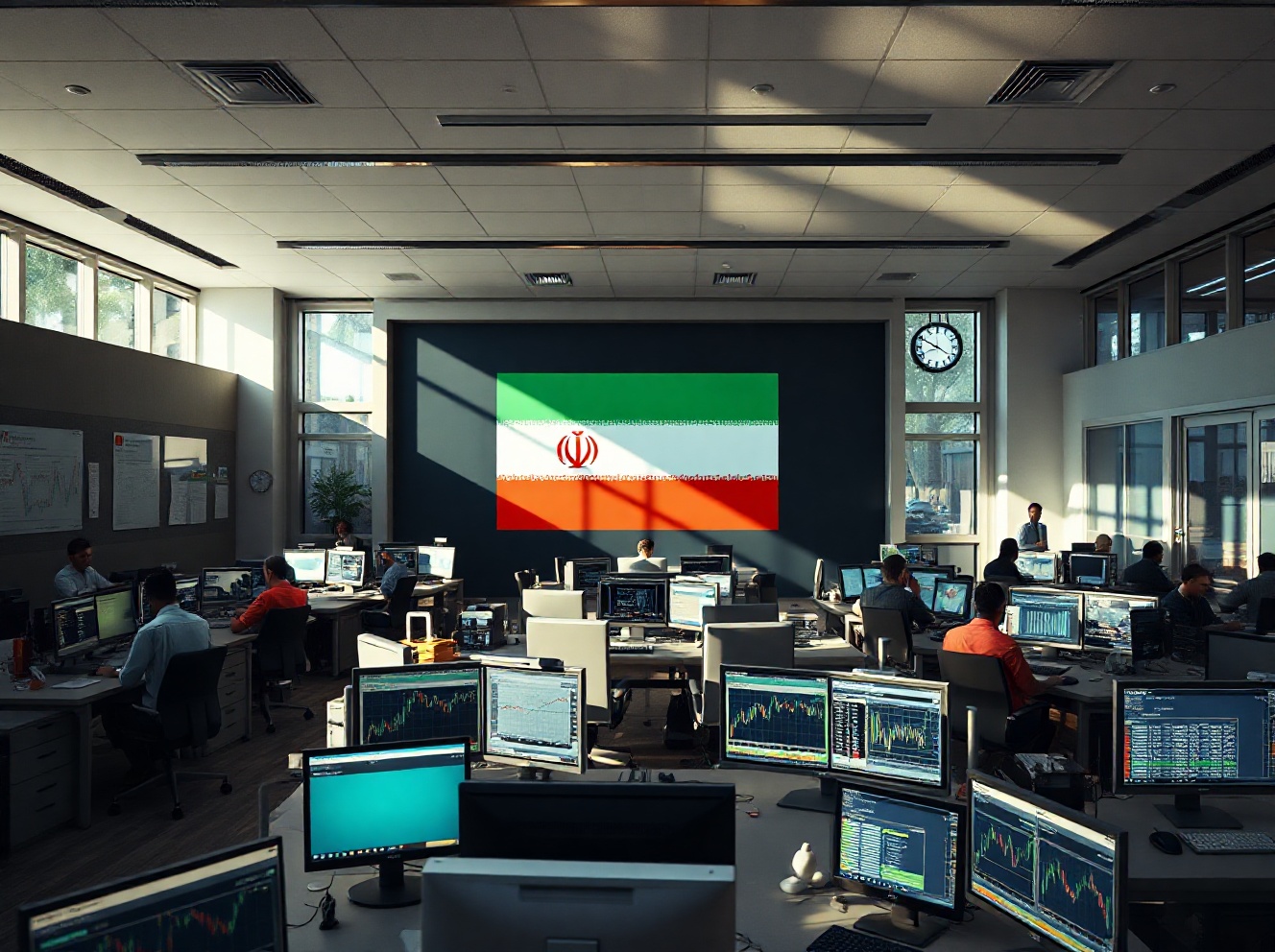
Share:
US and Iran signaled a renewed diplomatic push, triggering a risk-on move that nudged the US dollar index lower while the euro and pound gained, the yen weakened, and Brent and WTI oil prices slipped. Reduced geopolitical risk and a softer DXY could be supportive for crypto and other risk assets, potentially lifting activity on CEXs and DEXs and aiding DeFi and token adoption—though sustained gains depend on concrete progress in talks.
Predictions Markets
See what traders are focused on

BitcoinWorld
Forex Today: Market Sentiment Improves as US and Iran Renew Diplomatic Push
Market sentiment improved on Monday as the United States and Iran signaled a renewed commitment to diplomatic negotiations, easing fears of immediate conflict in the Middle East and prompting a shift in currency flows.
Why the mood is improving
The shift follows public statements from both governments indicating a willingness to return to the negotiating table, reducing the perceived risk of a military escalation that had weighed on markets in recent weeks. As of this writing, no formal talks have been confirmed, but the change in tone has been enough to trigger a modest risk-on move in early trading.
This development is significant because it directly affects the two main drivers of forex volatility: geopolitical risk and energy prices. When tensions rise, investors typically flock to safe-haven currencies like the US dollar, Japanese yen, and Swiss franc. The prospect of de-escalation, however, tends to reverse that flow, benefiting higher-yielding and commodity-linked currencies.
Impact on major currency pairs
The US dollar index (DXY) edged lower against a basket of major currencies, reflecting reduced demand for safe-haven assets. The euro and British pound both gained ground, while the Japanese yen weakened slightly as risk appetite improved.
Commodity currencies, including the Australian and Canadian dollars, also found support. The Canadian dollar, in particular, is sensitive to oil prices, which retreated on the news of potential diplomatic progress. Lower oil prices reduce inflationary pressures and can support the currencies of oil-importing nations, while weighing on those of exporters.
Oil prices and the ripple effect
Brent crude and West Texas Intermediate (WTI) both slipped on the headlines, as traders priced in a lower likelihood of supply disruptions in the Strait of Hormuz. A sustained diplomatic track could keep a cap on energy prices, which would have broad implications for global inflation and central bank policy.
For forex traders, this means watching the headlines closely. Any breakdown in talks could quickly reverse the current risk-on mood, while concrete progress could lead to further dollar weakness and gains in risk-sensitive currencies.
What to watch next
Diplomatic developments remain fluid, and the situation can change rapidly. Traders should monitor official statements from Washington and Tehran, as well as any updates from international mediators. Additionally, economic data releases and central bank commentary will continue to drive currency movements, but geopolitical headlines are likely to dominate in the near term.
Conclusion
The renewed push for diplomacy between the US and Iran has provided a temporary boost to market sentiment, but the situation remains uncertain. For now, forex markets are reacting positively, yet the sustainability of this move depends on tangible progress in negotiations. As always, risk management is crucial in such volatile conditions.
FAQs
Q1: How does US-Iran diplomacy affect forex markets?
When diplomatic efforts reduce geopolitical risk, investors move away from safe-haven currencies like the USD and JPY, and towards riskier assets. This can lead to a weaker dollar and stronger commodity and emerging market currencies.
Q2: Why do oil prices fall on news of diplomacy?
Oil prices often include a risk premium for potential supply disruptions. If diplomacy lowers the chance of conflict in oil-producing regions, that premium decreases, pushing prices down.
Q3: Should traders expect this risk-on mood to last?
It depends on the progress of talks. Markets may remain volatile as headlines develop. Traders should stay flexible and use stop-loss orders to manage risk during uncertain geopolitical periods.
This post Forex Today: Market Sentiment Improves as US and Iran Renew Diplomatic Push first appeared on BitcoinWorld.


Predictions Markets
See what traders are focused on
Share:
Predictions Markets
See what traders are focused on
Share:
Read More

Brent Outlook: Oil Prices Slip on Renewed US-Iran Peace Deal Hopes