Senate Banking Committee Rejects Crypto Conflict of Interest Rule for President and Congress
Share:
The Senate Banking Committee rejected a CLARITY Act amendment in a 13-11 vote that would have barred the president, vice president and members of Congress from owning or participating in cryptocurrency businesses and mandated public disclosure of holdings. The defeat highlights partisan divisions over crypto regulation and conflict-of-interest rules, leaving ethics concerns unresolved and likely shifting legislative focus toward market structure reforms.
Predictions Markets
See what traders are focused on

BitcoinWorld
Senate Banking Committee Rejects Crypto Conflict of Interest Rule for President and Congress
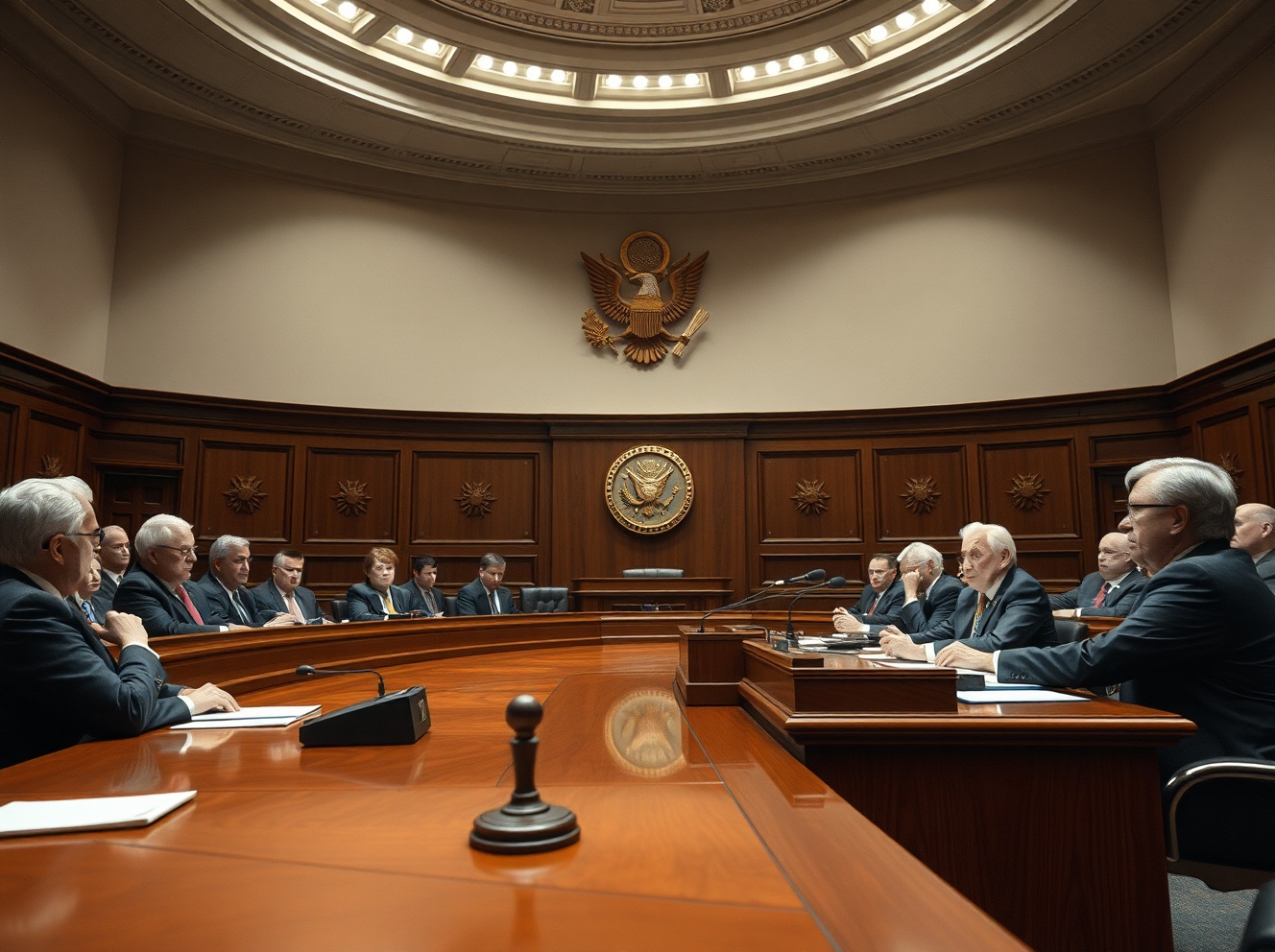
The U.S. Senate Banking Committee voted Thursday to reject an amendment to the CLARITY Act that would have barred the president and members of Congress from owning or participating in cryptocurrency businesses. The measure failed in a 13-11 vote during the bill’s markup session, effectively killing a provision aimed at addressing potential conflicts of interest at the highest levels of government.
Amendment Would Have Mandated Disclosures and Bans
The proposed amendment sought to prohibit the president, vice president, and members of Congress from engaging in crypto-related enterprises. It also required public disclosure of any such holdings or affiliations. Supporters argued that the rule was necessary to prevent elected officials from using their positions to benefit personal crypto investments or those of family members.
Senator Chris Van Hollen (D-MD) spoke in favor of the amendment, alleging that the Trump family has profited by billions of dollars from projects including World Liberty Financial (WLFI). He also claimed that the family benefited from memecoins such as Trump and Melania while ordinary investors suffered billions in losses. Van Hollen’s remarks highlighted growing concerns about the intersection of political power and the largely unregulated crypto market.
Opponents Cite Jurisdictional and Evidentiary Concerns
Senator Bernie Moreno (R-OH) led opposition to the amendment, arguing that the issue falls under the jurisdiction of the Judiciary Committee, not the Banking Committee. He dismissed the allegations against the Trump family as unproven and contended that the amendment was procedurally out of order. The committee ultimately sided with Moreno, voting along party lines.
The CLARITY Act, which aims to provide a regulatory framework for digital assets, continues to move through the markup process. The committee is expected to vote on other provisions in the coming days.
Why This Matters for Crypto Regulation
The rejection of the conflict-of-interest amendment underscores the deep partisan divide in Congress over how to regulate cryptocurrency. It also raises questions about whether existing ethics rules are sufficient to address the unique risks posed by digital assets, which can be opaque, volatile, and susceptible to market manipulation. For investors and industry participants, the outcome signals that near-term legislative efforts may focus more on market structure than on ethics reforms.
Conclusion
The Senate Banking Committee’s decision to reject the crypto conflict-of-interest amendment leaves a key ethics question unresolved. As the CLARITY Act advances, the debate over whether elected officials should be allowed to participate in crypto markets is likely to continue. The 13-11 vote reflects the partisan nature of the issue and suggests that further legislative action on this front may face significant hurdles.
FAQs
Q1: What did the rejected amendment to the CLARITY Act propose?
The amendment would have banned the president, vice president, and members of Congress from participating in cryptocurrency businesses and required public disclosure of their crypto holdings.
Q2: Why did the amendment fail?
The Senate Banking Committee voted 13-11 to reject it, with opponents arguing that the issue falls under the Judiciary Committee’s jurisdiction and that allegations of conflicts of interest were unproven.
Q3: What is the CLARITY Act?
The CLARITY Act is a proposed law aimed at establishing a regulatory framework for digital assets in the United States. It is currently being considered by the Senate Banking Committee.
This post Senate Banking Committee Rejects Crypto Conflict of Interest Rule for President and Congress first appeared on BitcoinWorld.
In This News
Coins

$ 0.304
+0.60%
$ 0.0514
-2.15%


Predictions Markets
See what traders are focused on
Share:
In This News
Coins
$ 0.304
+0.60%$ 0.0514
-2.15%Predictions Markets
See what traders are focused on
Share:
Read More

Ondo Price Forecast: ONDO Vulnerable to Deeper Losses Amid CLARITY Act Delay