The Dow Jones Industrial Average Relearns That Good News Is Bad News
Share:
Since 2023 and into early 2024 the Dow Jones and broader markets have flipped to a ‘good news is bad news’ dynamic, where stronger economic data reduces the prospects for Federal Reserve rate cuts and triggers selling pressure. That dynamic raises volatility and is a headwind for risk assets including crypto and DeFi—higher-for-longer rates can pressure token performance, fundraising and adoption, so market participants should watch upcoming inflation prints and Fed commentary for signals.
Predictions Markets
See what traders are focused on

BitcoinWorld
The Dow Jones Industrial Average Relearns That Good News Is Bad News
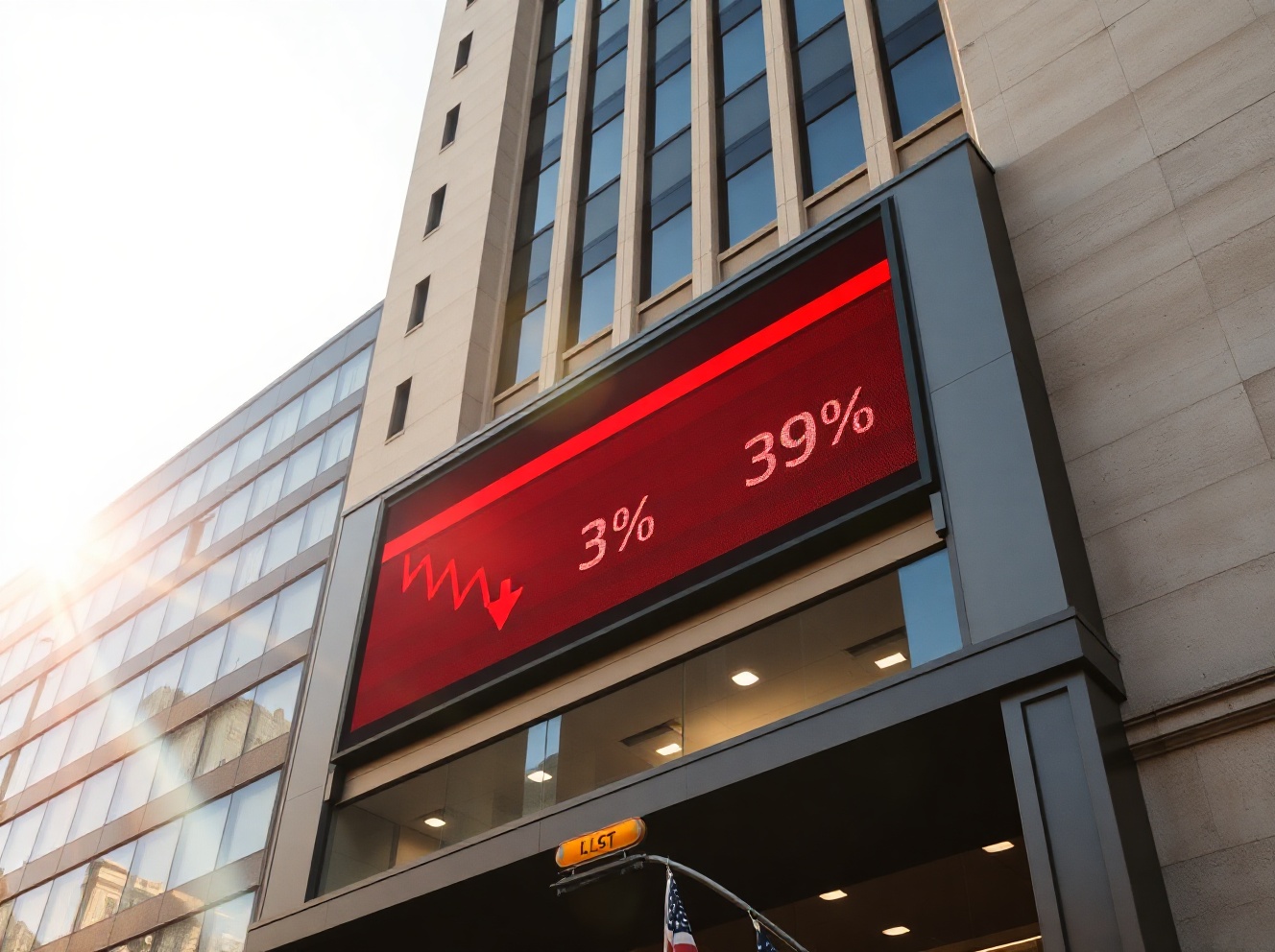
For much of 2023 and early 2024, the stock market operated on a simple logic: better-than-expected economic data meant higher stock prices. That logic has recently inverted. The Dow Jones Industrial Average, along with the broader market, is now showing signs of a classic ‘good news is bad news’ dynamic, where strong economic reports trigger selling pressure rather than buying enthusiasm.
The Mechanics Behind the Shift
The primary driver of this reversal is the market’s evolving expectations for Federal Reserve policy. When economic data comes in hot—stronger job growth, higher consumer spending, or stubborn inflation—it reduces the likelihood of near-term interest rate cuts. For traders who have been pricing in multiple rate cuts throughout 2024, any data that pushes those cuts further into the future is a negative catalyst.
The Dow has been particularly sensitive to this dynamic. As a price-weighted index dominated by industrial and financial giants, it tends to react sharply to changes in interest rate expectations. A strong retail sales report or a lower-than-expected jobless claims number, once celebrated, now raises the specter of rates staying higher for longer.
What This Means for Investors
This environment creates a challenging backdrop for portfolio management. Traditional defensive plays, such as utilities and consumer staples, may offer some insulation, but the broad-based nature of the sell-off has affected most sectors. The technology-heavy Nasdaq has also felt the pressure, though its performance has been more mixed.
The Fed’s Dilemma
The Federal Reserve finds itself in a difficult position. While it has signaled a desire to cut rates, it remains data-dependent. Strong economic data gives the Fed cover to hold steady, even as market participants grow increasingly impatient. The result is a market that punishes good news because it delays the relief that lower rates would provide.
Historical Context and Outlook
This is not the first time the market has exhibited this behavior. Similar patterns emerged in 2018 and during the taper tantrum of 2013. In both cases, the dynamic eventually resolved as the Fed either followed through on cuts or the economy showed clear signs of slowing. The current cycle may follow a similar path, but the timing remains uncertain.
Investors should pay close attention to upcoming inflation data and Fed commentary. Until the path for rates becomes clearer, the Dow and other major indices are likely to remain volatile, reacting to each new data point with heightened sensitivity.
Conclusion
The Dow Jones Industrial Average is relearning an old lesson: in a market fixated on monetary policy, good economic news can be a liability. For now, traders are selling the strength, waiting for clearer signals from the Fed. Whether this dynamic persists or fades will depend on the balance between economic resilience and the market’s demand for lower rates.
FAQs
Q1: Why does strong economic data cause the stock market to fall?
Strong economic data reduces the likelihood of the Federal Reserve cutting interest rates. Since many investors have been anticipating rate cuts, data that pushes those cuts further away leads to selling.
Q2: Is the Dow more affected by this dynamic than other indices?
The Dow, with its focus on industrial and financial stocks, is often more sensitive to interest rate expectations. However, the S&P 500 and Nasdaq have also shown similar reactions.
Q3: How long could this ‘good news is bad news’ period last?
It typically lasts until the Federal Reserve provides clearer guidance on its rate path or until economic data weakens enough to make rate cuts more likely. Historical episodes have lasted several months.
This post The Dow Jones Industrial Average Relearns That Good News Is Bad News first appeared on BitcoinWorld.
Predictions Markets
See what traders are focused on
Share:
Predictions Markets
See what traders are focused on
Share:
Read More

Euro Holds Ground as Markets Weigh Fed and ECB Rate Path Divergence