Revolutionary Shift: Putin Adviser Demands Crypto Inclusion in Russia’s Trade Balance Calculations
Share:
BitcoinWorld
Revolutionary Shift: Putin Adviser Demands Crypto Inclusion in Russia’s Trade Balance Calculations
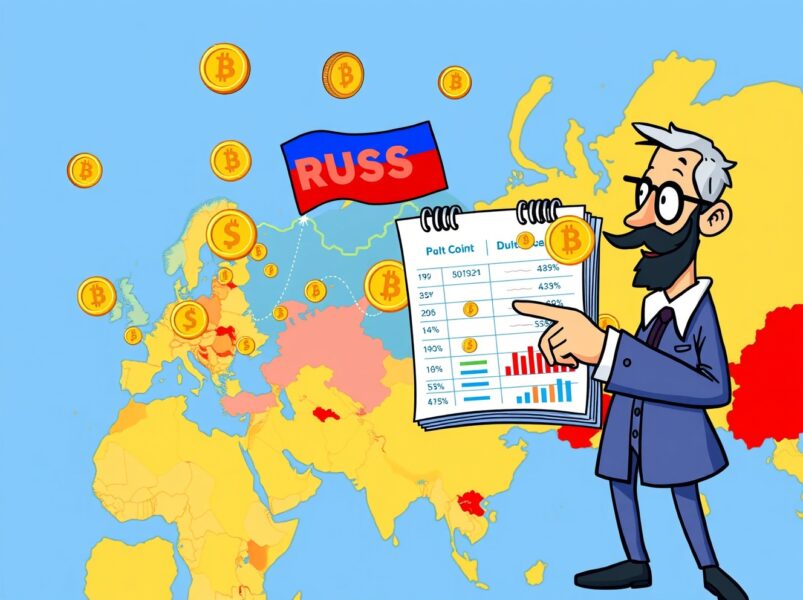
In a bold move that could reshape global finance, a top Putin adviser has called for cryptocurrency to be formally included in Russia’s trade balance calculations. This surprising announcement from the Kremlin signals a potential seismic shift in how nations account for digital assets. But what does this mean for the future of international trade and crypto regulation?
Why Russia Wants Crypto in Its Trade Balance
Maxim Oreshkin, economic adviser to President Vladimir Putin, recently made a compelling case for integrating cryptocurrency into Russia’s official economic metrics. He argues that digital assets now represent a significant portion of the Russian economy that current accounting methods completely miss. This perspective acknowledges the growing reality that cryptocurrencies have moved beyond speculative investments to become genuine tools of international commerce.
Oreshkin specifically highlighted crypto mining as what he calls an “undervalued export industry.” Russian companies increasingly use mined digital tokens to pay for imports while generating substantial revenue through token sales abroad. Therefore, excluding these transactions from official trade data creates what experts call a “digital blind spot” in economic analysis.
The Practical Impact on Global Trade
If Russia implements this change, it would create a powerful precedent for other nations. Currently, most countries treat cryptocurrency transactions as capital flows rather than trade activities. This distinction matters because trade balances directly influence currency values, tariff decisions, and international negotiations.
Consider these potential implications:
- More accurate economic data: Nations would better understand their true economic position
- Increased crypto legitimacy: Formal recognition in trade balances would boost institutional adoption
- New regulatory frameworks: Governments would need clear rules for crypto import/export reporting
- Market transparency: Investors could make more informed decisions with complete trade data
Challenges in Implementing Crypto Trade Accounting
While the concept sounds straightforward, practical implementation presents significant hurdles. Cryptocurrency transactions occur on decentralized networks without traditional banking intermediaries. This makes tracking and verification more complex than conventional trade documentation.
Furthermore, valuation poses another challenge. Cryptocurrency prices can fluctuate dramatically within single trading days. Should nations use daily averages, transaction-time values, or monthly means when calculating their crypto trade balance? Different approaches could yield vastly different results, potentially sparking international disputes.
Privacy concerns also emerge. Many cryptocurrency users value the pseudonymous nature of transactions. Comprehensive trade reporting might require disclosure levels that conflict with these privacy expectations, creating tension between regulatory needs and user preferences.
Russia’s Strategic Crypto Positioning
This proposal aligns with Russia’s broader strategy to establish cryptocurrency leadership despite Western sanctions. By formally recognizing crypto in trade calculations, Russia could:
- Create alternative trade channels that bypass traditional financial systems
- Attract crypto mining operations with favorable regulatory treatment
- Develop new economic partnerships with crypto-friendly nations
- Position the ruble in relation to major cryptocurrencies rather than just traditional currencies
Oreshkin’s comments suggest Russia views cryptocurrency not as a threat to traditional finance, but as a complementary system that can enhance economic resilience. This pragmatic approach contrasts with more cautious positions taken by some Western governments.
What This Means for Global Crypto Adoption
Russia’s potential move could accelerate cryptocurrency integration into mainstream economics worldwide. When a major economy begins treating crypto as part of its formal trade balance, other nations face pressure to follow suit or risk falling behind in economic measurement accuracy.
This development particularly matters for countries with:
- Large crypto mining industries
- Significant remittance flows via digital assets
- Active cryptocurrency trading communities
- Interest in reducing dependence on traditional financial networks
The conversation has shifted from whether cryptocurrencies matter economically to how best to measure their impact. Russia’s proposal represents the next logical step in this evolution.
Conclusion: A Watershed Moment for Crypto Economics
Maxim Oreshkin’s call to include cryptocurrency in Russia’s trade balance calculations marks a potential turning point for digital asset recognition. This move would validate what crypto advocates have argued for years: that digital currencies represent genuine economic activity deserving formal measurement.
As nations watch Russia’s next steps, the global financial community must prepare for a new era where crypto trade balance considerations become standard economic practice. The implications extend far beyond accounting adjustments, potentially reshaping international trade relationships and financial sovereignty in the digital age.
Frequently Asked Questions
What exactly is a trade balance?
A trade balance measures the difference between a country’s exports and imports of goods and services. A positive balance (surplus) means exports exceed imports, while a negative balance (deficit) means imports exceed exports.
How would crypto be valued in trade calculations?
This remains an open question. Options include using exchange rates at transaction time, daily averages, or monthly means. Different valuation methods could significantly impact reported trade figures.
Which countries might follow Russia’s lead?
Nations with significant crypto mining operations (like Kazakhstan and Iran), those using crypto to bypass sanctions, and countries seeking technological leadership in digital assets would be most likely to consider similar approaches.
Does this make cryptocurrency more legitimate?
Yes, inclusion in official economic statistics represents a major step toward mainstream legitimacy. It moves crypto from the financial fringe toward recognized economic infrastructure.
How would this affect cryptocurrency prices?
Formal recognition in trade balances could increase institutional adoption and reduce regulatory uncertainty, potentially supporting higher valuations over the long term through increased utility and demand.
What are the biggest implementation challenges?
Tracking decentralized transactions, establishing valuation standards, ensuring reporting compliance, and balancing transparency with privacy present the most significant practical hurdles.
Found this analysis insightful? Help others understand this important development by sharing this article on your social media channels. The more people understand how cryptocurrency integrates with traditional economics, the better prepared we all are for the financial future.
To learn more about the latest cryptocurrency regulatory trends, explore our article on key developments shaping global crypto policy and institutional adoption.
This post Revolutionary Shift: Putin Adviser Demands Crypto Inclusion in Russia’s Trade Balance Calculations first appeared on BitcoinWorld.
In This News
Funds

Share:
In This News
Funds
Share:
Read More
BTC rises above $92,000: A Stunning Rally Reshapes Market Sentiment

BTC Price Soars: Bitcoin’s Stunning Rally Breaks $93,000 Barrier
Revolutionary Shift: Putin Adviser Demands Crypto Inclusion in Russia’s Trade Balance Calculations
Share:
BitcoinWorld
Revolutionary Shift: Putin Adviser Demands Crypto Inclusion in Russia’s Trade Balance Calculations
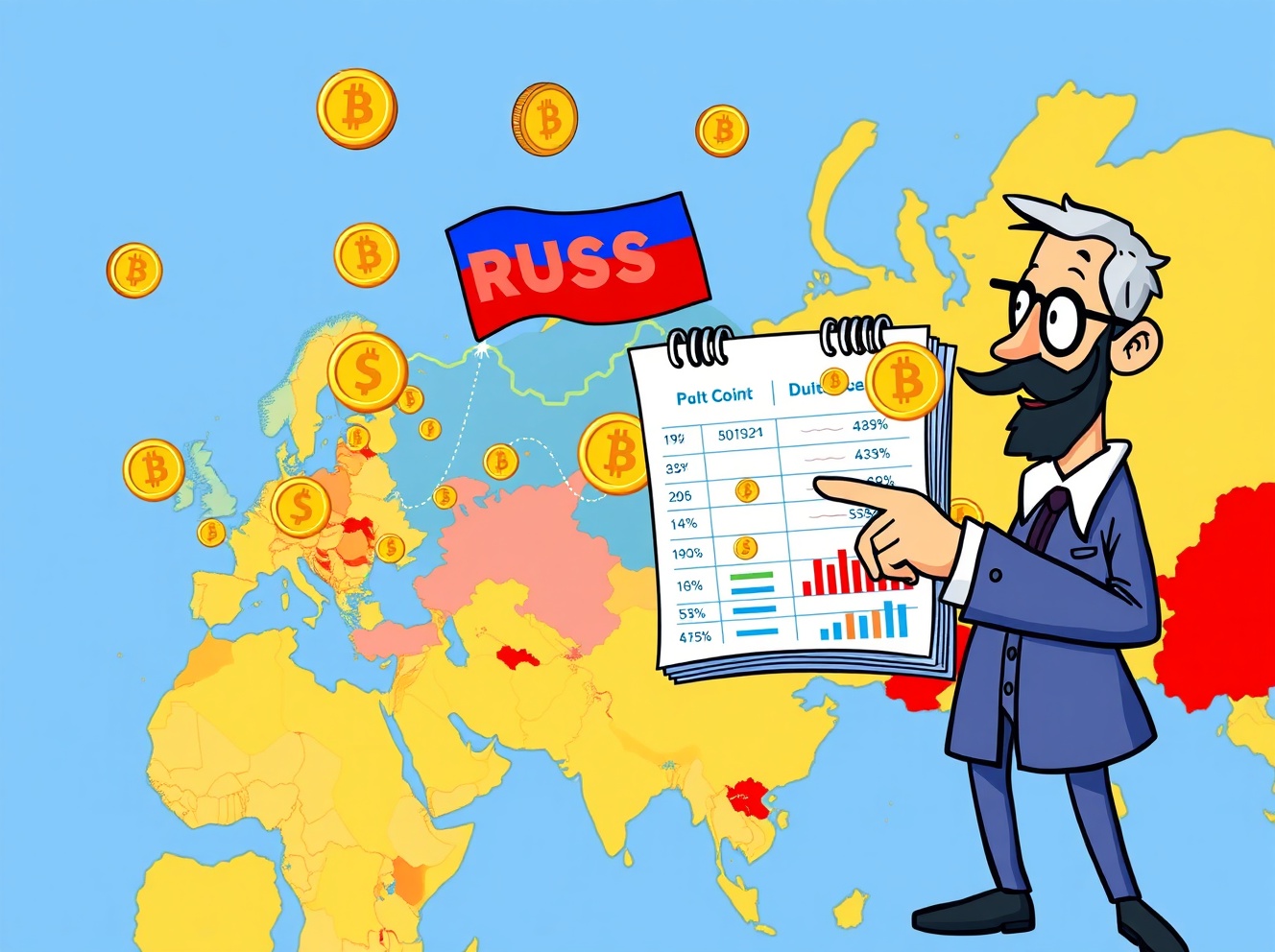
In a bold move that could reshape global finance, a top Putin adviser has called for cryptocurrency to be formally included in Russia’s trade balance calculations. This surprising announcement from the Kremlin signals a potential seismic shift in how nations account for digital assets. But what does this mean for the future of international trade and crypto regulation?
Why Russia Wants Crypto in Its Trade Balance
Maxim Oreshkin, economic adviser to President Vladimir Putin, recently made a compelling case for integrating cryptocurrency into Russia’s official economic metrics. He argues that digital assets now represent a significant portion of the Russian economy that current accounting methods completely miss. This perspective acknowledges the growing reality that cryptocurrencies have moved beyond speculative investments to become genuine tools of international commerce.
Oreshkin specifically highlighted crypto mining as what he calls an “undervalued export industry.” Russian companies increasingly use mined digital tokens to pay for imports while generating substantial revenue through token sales abroad. Therefore, excluding these transactions from official trade data creates what experts call a “digital blind spot” in economic analysis.
The Practical Impact on Global Trade
If Russia implements this change, it would create a powerful precedent for other nations. Currently, most countries treat cryptocurrency transactions as capital flows rather than trade activities. This distinction matters because trade balances directly influence currency values, tariff decisions, and international negotiations.
Consider these potential implications:
- More accurate economic data: Nations would better understand their true economic position
- Increased crypto legitimacy: Formal recognition in trade balances would boost institutional adoption
- New regulatory frameworks: Governments would need clear rules for crypto import/export reporting
- Market transparency: Investors could make more informed decisions with complete trade data
Challenges in Implementing Crypto Trade Accounting
While the concept sounds straightforward, practical implementation presents significant hurdles. Cryptocurrency transactions occur on decentralized networks without traditional banking intermediaries. This makes tracking and verification more complex than conventional trade documentation.
Furthermore, valuation poses another challenge. Cryptocurrency prices can fluctuate dramatically within single trading days. Should nations use daily averages, transaction-time values, or monthly means when calculating their crypto trade balance? Different approaches could yield vastly different results, potentially sparking international disputes.
Privacy concerns also emerge. Many cryptocurrency users value the pseudonymous nature of transactions. Comprehensive trade reporting might require disclosure levels that conflict with these privacy expectations, creating tension between regulatory needs and user preferences.
Russia’s Strategic Crypto Positioning
This proposal aligns with Russia’s broader strategy to establish cryptocurrency leadership despite Western sanctions. By formally recognizing crypto in trade calculations, Russia could:
- Create alternative trade channels that bypass traditional financial systems
- Attract crypto mining operations with favorable regulatory treatment
- Develop new economic partnerships with crypto-friendly nations
- Position the ruble in relation to major cryptocurrencies rather than just traditional currencies
Oreshkin’s comments suggest Russia views cryptocurrency not as a threat to traditional finance, but as a complementary system that can enhance economic resilience. This pragmatic approach contrasts with more cautious positions taken by some Western governments.
What This Means for Global Crypto Adoption
Russia’s potential move could accelerate cryptocurrency integration into mainstream economics worldwide. When a major economy begins treating crypto as part of its formal trade balance, other nations face pressure to follow suit or risk falling behind in economic measurement accuracy.
This development particularly matters for countries with:
- Large crypto mining industries
- Significant remittance flows via digital assets
- Active cryptocurrency trading communities
- Interest in reducing dependence on traditional financial networks
The conversation has shifted from whether cryptocurrencies matter economically to how best to measure their impact. Russia’s proposal represents the next logical step in this evolution.
Conclusion: A Watershed Moment for Crypto Economics
Maxim Oreshkin’s call to include cryptocurrency in Russia’s trade balance calculations marks a potential turning point for digital asset recognition. This move would validate what crypto advocates have argued for years: that digital currencies represent genuine economic activity deserving formal measurement.
As nations watch Russia’s next steps, the global financial community must prepare for a new era where crypto trade balance considerations become standard economic practice. The implications extend far beyond accounting adjustments, potentially reshaping international trade relationships and financial sovereignty in the digital age.
Frequently Asked Questions
What exactly is a trade balance?
A trade balance measures the difference between a country’s exports and imports of goods and services. A positive balance (surplus) means exports exceed imports, while a negative balance (deficit) means imports exceed exports.
How would crypto be valued in trade calculations?
This remains an open question. Options include using exchange rates at transaction time, daily averages, or monthly means. Different valuation methods could significantly impact reported trade figures.
Which countries might follow Russia’s lead?
Nations with significant crypto mining operations (like Kazakhstan and Iran), those using crypto to bypass sanctions, and countries seeking technological leadership in digital assets would be most likely to consider similar approaches.
Does this make cryptocurrency more legitimate?
Yes, inclusion in official economic statistics represents a major step toward mainstream legitimacy. It moves crypto from the financial fringe toward recognized economic infrastructure.
How would this affect cryptocurrency prices?
Formal recognition in trade balances could increase institutional adoption and reduce regulatory uncertainty, potentially supporting higher valuations over the long term through increased utility and demand.
What are the biggest implementation challenges?
Tracking decentralized transactions, establishing valuation standards, ensuring reporting compliance, and balancing transparency with privacy present the most significant practical hurdles.
Found this analysis insightful? Help others understand this important development by sharing this article on your social media channels. The more people understand how cryptocurrency integrates with traditional economics, the better prepared we all are for the financial future.
To learn more about the latest cryptocurrency regulatory trends, explore our article on key developments shaping global crypto policy and institutional adoption.
This post Revolutionary Shift: Putin Adviser Demands Crypto Inclusion in Russia’s Trade Balance Calculations first appeared on BitcoinWorld.
In This News
Funds
Share:
In This News
Funds
Share:
Read More
BTC rises above $92,000: A Stunning Rally Reshapes Market Sentiment