Trump’s New Tariffs Explained: What They Mean for Markets and Prices
Share:
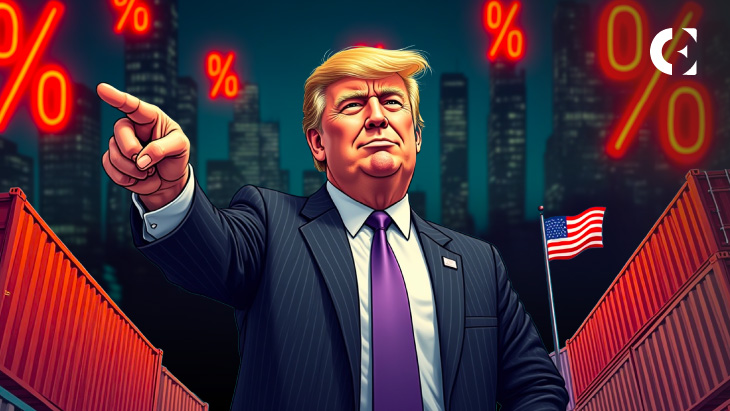
President Donald Trump’s tariffs took effect Friday, imposing 10–12.5% duties on goods from 60 trading partners and covering roughly 99.4% of US imports after a temporary global levy expired. The move, justified by forced labor concerns, risks raising import costs and inflation and could pressure stocks and crypto markets, potentially dampening adoption, fundraising and token launches across DeFi, DEX and CEX activity.
Predictions Markets
See what traders are focused on

- Trump’s new tariffs now cover nearly all US imports, raising questions about prices, trade and global markets.
- The White House cites forced labor concerns, but critics argue the tariffs serve a broader trade strategy.
- Higher import costs could fuel inflation, influence Fed policy and shape sentiment across stock and crypto markets.
President Donald Trump’s new tariffs took effect Friday, expanding US import duties to goods from 60 trading partners and covering about 99.4% of all imports into the country after a temporary global levy expired. The administration said the measures target countries that failed to curb imports made with forced labor, though critics argue Trump is using the policy to pursue broader trade goals.
The new duties range from 10% to 12.5% and affect some of the United States’ largest trading partners. The policy could raise import costs, resha…
Read The Full Article Trump’s New Tariffs Explained: What They Mean for Markets and Prices On Coin Edition.


Predictions Markets
See what traders are focused on
Share:
Predictions Markets
See what traders are focused on
Share:
Read More

Cory Klippsten Slams Mike Novogratz Over Bitcoin Trust Claims