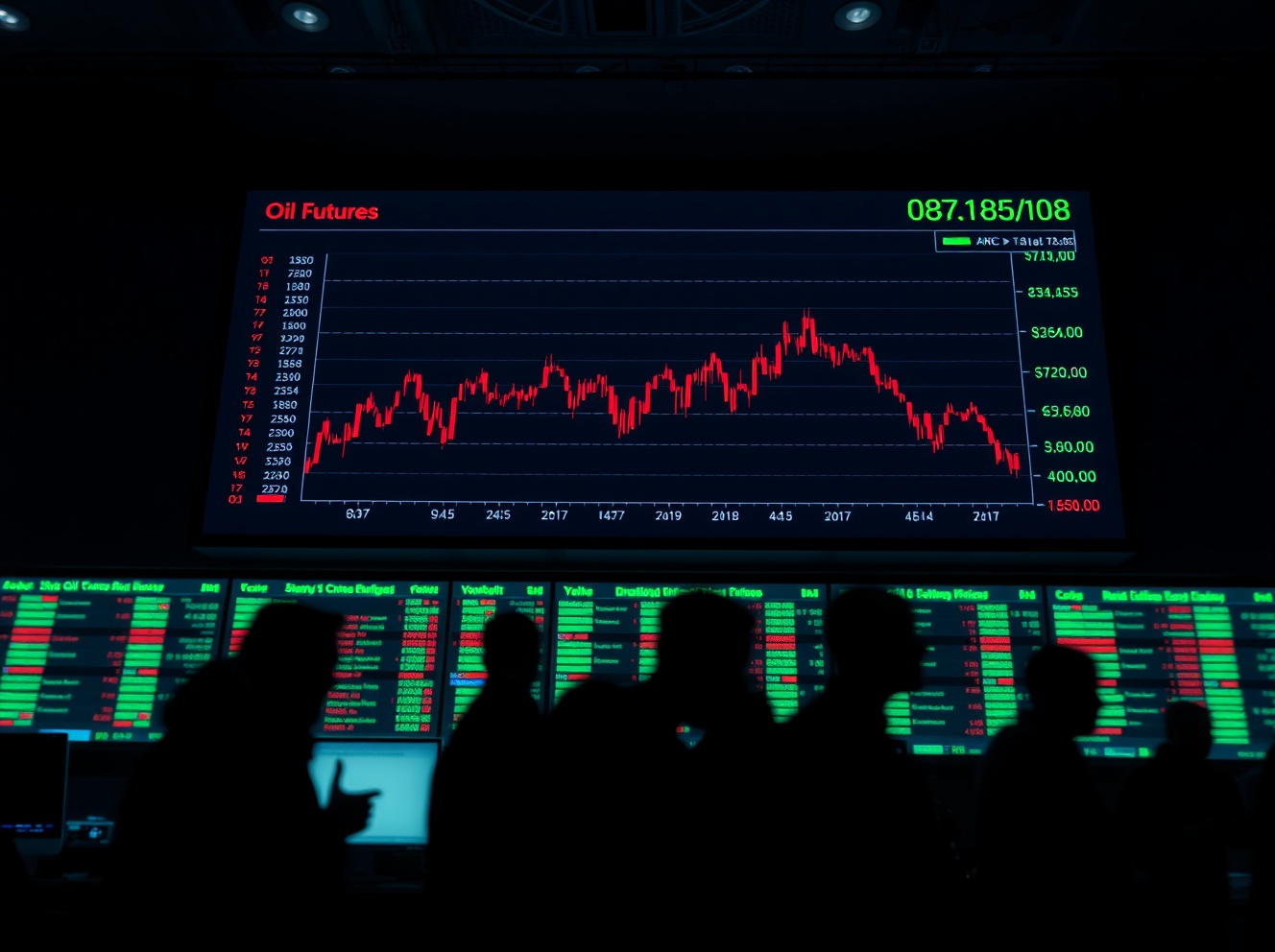
WTI Oil Holds Above $102 as US-Iran Ceasefire Talks Remain Uncertain

Share:
WTI crude held above $102 per barrel as US‑Iran ceasefire talks stayed uncertain and supply remained tight from OPEC+ cuts and Russian sanctions; weekly EIA inventories fell 2.1 million barrels and banks now forecast Q2 WTI at $100–$110. A formal Iran deal could return 500,000–1,000,000 bpd over weeks but persistent geopolitical risk will likely keep volatility high, sustain inflation pressure and weigh on risk assets including crypto, CEX and DeFi liquidity.
Predictions Markets
See what traders are focused on

BitcoinWorld
WTI Oil Holds Above $102 as US-Iran Ceasefire Talks Remain Uncertain
West Texas Intermediate (WTI) crude oil prices held steady above $102 per barrel on Wednesday, as traders weighed the latest developments in US-Iran ceasefire negotiations against ongoing supply constraints. The benchmark has remained volatile in recent sessions, reflecting deep uncertainty over whether diplomatic progress in the Middle East will ease supply risks or if the region remains on the brink of further disruption.
Ceasefire Talks in Focus
Indirect negotiations between the United States and Iran, mediated by Gulf states, have continued behind closed doors, but no formal ceasefire agreement has been announced. Market participants are closely monitoring any signs of de-escalation that could lead to a relaxation of sanctions on Iranian oil exports. However, analysts caution that even a partial deal would take weeks to materialize into tangible supply increases.
Iran currently exports an estimated 1.5 million barrels per day (bpd) of crude, largely to Asian buyers, but a significant portion of this is believed to be shipped under opaque arrangements. A formal agreement could bring an additional 500,000 to 1 million bpd back onto global markets, which would help offset recent production cuts from OPEC+ and Russia.
Supply Constraints and Market Tightness
Beyond geopolitics, the oil market remains fundamentally tight. OPEC+ has maintained its cautious approach to output increases, while Russian crude production has been hampered by Western sanctions and logistical challenges. US domestic production has risen modestly but remains below pre-pandemic peaks, with the latest Energy Information Administration (EIA) data showing weekly crude inventories declining by 2.1 million barrels.
Refinery demand remains robust as the summer driving season approaches in the Northern Hemisphere, adding further support to crude prices. Analysts at major investment banks have revised their average WTI price forecasts for the second quarter upward to between $100 and $110 per barrel, citing persistent supply risks.
Why This Matters for Traders and Consumers
Sustained WTI prices above $100 have direct implications for global inflation, central bank policy, and consumer fuel costs. For traders, the current environment demands close attention to diplomatic signals from the Middle East, as any unexpected breakthrough or breakdown could trigger sharp price swings. For consumers, higher crude prices translate to elevated gasoline and heating oil costs, potentially dampening economic activity.
Conclusion
WTI oil’s hold above $102 reflects a market caught between geopolitical risk and fundamental tightness. Until the US-Iran ceasefire situation clarifies, prices are likely to remain elevated and sensitive to headlines. Traders should prepare for continued volatility, while policymakers watch for any relief that could ease inflationary pressures.
FAQs
Q1: What is driving WTI oil prices above $102?
Prices are supported by a combination of geopolitical uncertainty surrounding US-Iran ceasefire talks, tight global supply from OPEC+ production cuts and Russian sanctions, and strong seasonal demand ahead of summer.
Q2: How would a US-Iran ceasefire affect oil markets?
A ceasefire could lead to the easing of sanctions on Iranian oil exports, potentially adding 500,000 to 1 million barrels per day to global supply, which would likely push prices lower.
Q3: What should traders watch in the coming days?
Key factors include official statements from US and Iranian negotiators, weekly EIA inventory data, and OPEC+ output signals. Any unexpected diplomatic progress or failure could trigger significant price moves.
This post WTI Oil Holds Above $102 as US-Iran Ceasefire Talks Remain Uncertain first appeared on BitcoinWorld.


Predictions Markets
See what traders are focused on
Share:
Predictions Markets
See what traders are focused on
Share:
Read More

Gold price slips as Trump says Iran ceasefire is over