Fed Rate Hikes: White House’s Hassett Warns of a Critical Policy Mistake for the ECB
Share:
Kevin Hassett (NEC) warned on March 18, 2025 that Fed and ECB rate hikes would be a “policy mistake,” citing long policy lags from 2022–23 and mixed macro data: US CPI 2.8% YoY (core 3.1%), Eurozone CPI 2.6%, US GDP Q4 2024 +2.5%, Eurozone Q4 +0.1%; Fed rate 5.50% (next meeting Mar 25, 2025), ECB 4.25% (next Apr 17, 2025). Market impact: S&P -0.3% day move, probability of a June Fed cut rose ~45%→50% and ECB April-hike odds fell 15%→10%; politically-driven push against hikes reduces downside tail risk for risk assets and is likely supportive for crypto price action, DeFi/CEX/DEX volumes and adoption, though sticky core inflation and central-bank independence keep policy uncertainty.
Predictions Markets
See what traders are focused on

BitcoinWorld
Fed Rate Hikes: White House’s Hassett Warns of a Critical Policy Mistake for the ECB
Washington, D.C. – March 18, 2025. White House National Economic Council (NEC) Chairman Kevin Hassett stated that it would be a policy mistake for both the European Central Bank (ECB) and the Federal Reserve (Fed) to raise interest rates. This statement injects a significant political voice into the ongoing global debate over monetary tightening.
Hassett’s Warning on Fed Rate Hikes and ECB Interest Rates
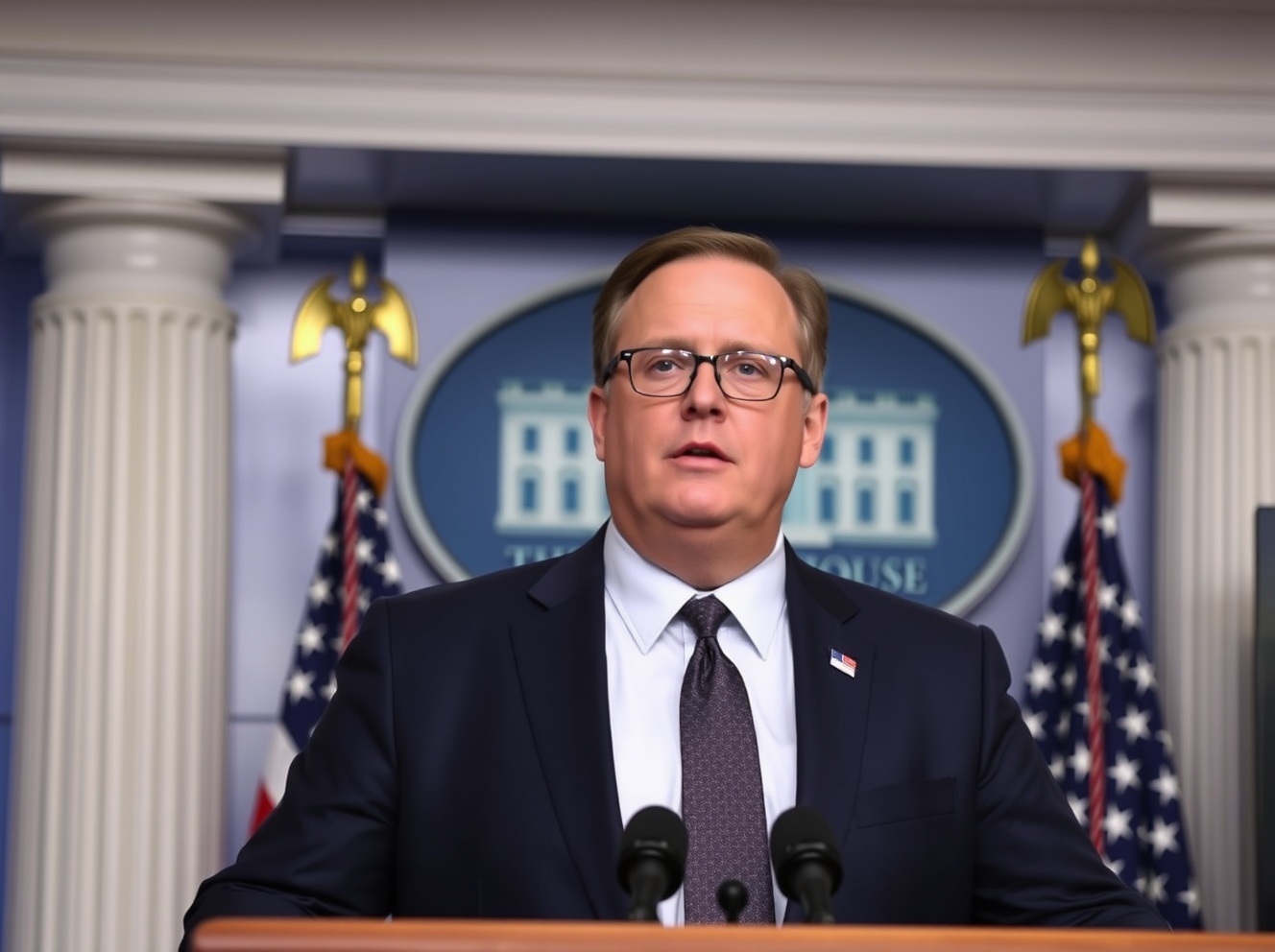
Hassett made these remarks during a press briefing at the White House. He argued that further rate hikes could stall economic growth. The NEC chairman specifically pointed to lagging indicators. He suggested that central banks risk overtightening. This warning comes as both the Fed and the ECB face persistent, though cooling, inflation.
The timing of this statement is crucial. The Fed is scheduled to meet next week. Markets are currently pricing in a 60% chance of a rate hold. However, a vocal minority still calls for a 25-basis-point hike. Hassett’s intervention adds political pressure to the Fed’s independent decision-making process.
Background on Monetary Policy Mistake Concerns
The term “policy mistake” carries heavy weight in economic circles. It refers to a central bank action that causes unnecessary economic damage. The most cited example is the Fed’s tightening in 1937. That move deepened the Great Depression. More recently, the ECB’s 2011 rate hike worsened the Eurozone debt crisis.
Hassett’s argument rests on the concept of long and variable lags. Monetary policy takes 12 to 18 months to fully impact the economy. The aggressive rate hiking cycle of 2022-2023 is still working through the system. Raising rates now could overshoot the target. It could push the economy into a recession unnecessarily.
Current Economic Data Supporting the Argument
Recent economic data provides some support for Hassett’s position. The US Consumer Price Index (CPI) rose 2.8% year-over-year in February. This is down from its 9.1% peak in June 2022. However, it remains above the Fed’s 2% target. The Eurozone inflation rate stands at 2.6%. Core inflation, excluding food and energy, is stickier at 3.1%.
- US GDP Growth: The US economy grew at a 2.5% annualized rate in Q4 2024. This is above trend, but slowing.
- Eurozone GDP: The Eurozone barely grew at 0.1% in Q4 2024. Germany, its largest economy, contracted.
- Labor Markets: The US added 275,000 jobs in February. The unemployment rate rose to 4.1%. The Eurozone unemployment rate is at a record low of 6.2%.
- Consumer Spending: US retail sales fell 0.4% in February. This signals consumer fatigue.
These mixed signals create a dilemma for central bankers. The labor market remains tight. But growth is slowing. Hassett believes the risk of recession outweighs the risk of persistent inflation.
Expert Analysis on Central Bank Independence
Hassett’s comments raise questions about central bank independence. The Fed and ECB are designed to be apolitical. They make decisions based on data, not political pressure. However, the White House has a vested interest in a strong economy. A recession would damage the administration’s standing ahead of the 2026 midterm elections.
Former Fed Vice Chair Richard Clarida offered a nuanced view. He stated that “political commentary on monetary policy is common. But the Fed must ignore it and focus on its dual mandate.” The dual mandate is maximum employment and stable prices. The ECB has a single mandate: price stability.
Comparing the Fed and ECB’s Current Paths
The two central banks are on slightly different trajectories. The Fed has held rates steady since September 2024. The ECB cut rates by 25 basis points in March 2025. This divergence reflects different economic conditions. The US economy is stronger. The Eurozone is weaker.
| Central Bank | Current Rate | Last Change | Next Meeting |
|---|---|---|---|
| Federal Reserve | 5.50% | Hold (Sept 2024) | March 25, 2025 |
| European Central Bank | 4.25% | Cut 25bps (March 2025) | April 17, 2025 |
Hassett’s warning specifically targets the idea of reversing the ECB’s cut. He argues that a hike would be catastrophic for the Eurozone economy. It would choke off the fragile recovery.
Market Reaction and Forward Guidance
Financial markets reacted cautiously to Hassett’s statement. The S&P 500 fell 0.3% on the day. The Euro Stoxx 50 was flat. Bond yields edged lower. Traders interpreted the comments as a signal of potential political intervention. The US Dollar weakened slightly against the Euro.
Market pricing for future rate decisions shifted modestly. The probability of a Fed rate cut in June increased from 45% to 50%. The probability of an ECB rate hike in April fell from 15% to 10%. These are small moves. But they show that markets are listening.
Historical Precedents for Political Pressure on Central Banks
Political pressure on central banks is not new. President Trump frequently criticized Fed Chair Jerome Powell in 2018-2019. He called for lower rates. The Fed eventually cut rates in 2019. However, it did so based on economic data, not political pressure.
In Europe, political pressure is more common. French President Emmanuel Macron has criticized the ECB for being too tight. Italian Prime Minister Giorgia Meloni has also called for looser policy. The ECB has generally resisted this pressure. But the current economic weakness makes it harder to ignore.
Conclusion on the Policy Mistake Warning
Kevin Hassett’s warning that Fed rate hikes and ECB interest rate increases would be a policy mistake injects a high-profile political voice into the monetary policy debate. The argument is grounded in real economic data showing slowing growth and lagging effects of past tightening. While central bank independence remains a cornerstone of modern economics, the pressure to avoid a recession is immense. The coming weeks will reveal whether the Fed and ECB listen to this warning or stick to their inflation-fighting course. The outcome will have profound implications for global markets, employment, and economic stability.
FAQs
Q1: What exactly did Kevin Hassett say about the Fed and ECB?
A1: Kevin Hassett, Chairman of the White House National Economic Council, stated that it would be a policy mistake for both the Federal Reserve and the European Central Bank to raise interest rates. He argued that further tightening could stall economic growth and cause unnecessary damage.
Q2: Why does Hassett believe rate hikes would be a mistake?
A2: Hassett believes the aggressive rate hikes from 2022-2023 are still working through the economy. He cites long and variable lags in monetary policy. Raising rates now could overshoot the target and push the economy into a recession unnecessarily.
Q3: Does the White House have the power to control the Fed?
A3: No. The Federal Reserve is an independent central bank. It makes monetary policy decisions based on its dual mandate of maximum employment and stable prices. The White House can comment on policy, but it cannot direct the Fed to act.
Q4: How did financial markets react to Hassett’s statement?
A4: Markets reacted cautiously. The S&P 500 fell slightly, and bond yields edged lower. Traders increased the probability of a Fed rate cut in June. The US Dollar weakened modestly against the Euro.
Q5: What is the current inflation rate in the US and Eurozone?
A5: As of February 2025, US CPI inflation is at 2.8% year-over-year. Eurozone inflation is at 2.6%. Both remain above their respective central banks’ 2% targets, but have fallen significantly from their 2022 peaks.
Q6: When are the next Fed and ECB meetings?
A6: The Federal Reserve’s next meeting is scheduled for March 25, 2025. The European Central Bank’s next meeting is on April 17, 2025. These meetings will be closely watched for any policy changes.
This post Fed Rate Hikes: White House’s Hassett Warns of a Critical Policy Mistake for the ECB first appeared on BitcoinWorld.


Read More
US Dollar Index Holds Steady After Fed’s ‘Unanimous’ Hold — But the Votes Tell a Different Story