Deutsche Bank Warns Hormuz Standoff Heightens Inflation Risks

Share:
Deutsche Bank warns the Strait of Hormuz standoff is raising inflation risk by threatening roughly 20% of global oil flows and adding a risk premium that has pushed Brent crude futures higher, which could raise consumer and production costs. Higher inflation pressure may force the Fed and ECB to keep interest rates elevated, slowing growth and weighing on risk assets and crypto markets — pressuring DeFi yields, token performance and trading activity on CEXs and DEXs.
Predictions Markets
See what traders are focused on

BitcoinWorld
Deutsche Bank Warns Hormuz Standoff Heightens Inflation Risks
Deutsche Bank has warned that the ongoing standoff in the Strait of Hormuz is elevating inflation risks for the global economy, according to a recent research note. The bank’s analysts point to the potential for supply disruptions in one of the world’s most critical oil transit chokepoints to push energy prices higher, complicating central banks’ efforts to bring inflation under control.
Why the Strait of Hormuz Matters for Inflation
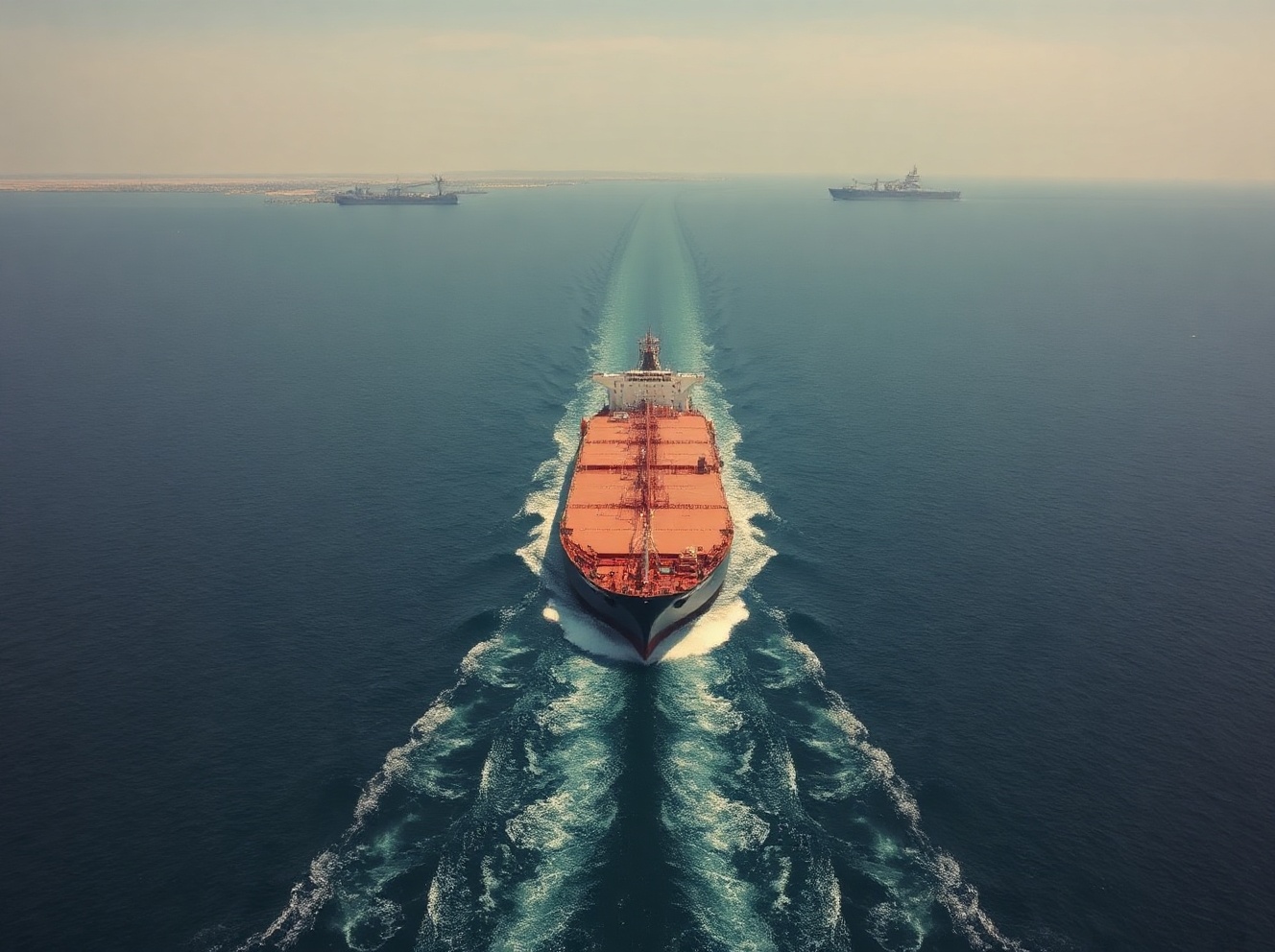
The Strait of Hormuz, located between Oman and Iran, is a narrow waterway through which roughly one-fifth of the world’s total oil consumption passes daily. Any significant disruption to this flow can have an immediate and outsized impact on global oil prices, which in turn feed into broader inflation measures. Deutsche Bank’s analysis highlights that the current standoff, while not yet causing major supply interruptions, is increasing the risk premium on oil prices, which could translate into higher costs for consumers and businesses.
The bank’s note comes amid heightened geopolitical tensions in the region, with recent incidents involving commercial shipping and military posturing. While the situation remains fluid, the mere threat of disruption is enough to influence market sentiment and pricing. This is particularly concerning for central banks, including the Federal Reserve and the European Central Bank, which are still grappling with inflation rates above their targets.
Market Reactions and Economic Implications
Oil markets have shown sensitivity to the standoff, with benchmark prices experiencing volatility in recent trading sessions. As of the latest data, Brent crude futures have edged higher, reflecting the added geopolitical risk. However, analysts caution that the full impact will depend on whether the standoff escalates or is resolved diplomatically.
For consumers, higher oil prices mean increased costs at the pump and higher prices for goods and services, as energy is a key input in production and transportation. This could delay the disinflationary trend that many economies were beginning to see, potentially forcing central banks to maintain higher interest rates for longer. That scenario could weigh on economic growth, posing a policy dilemma for policymakers who are trying to balance inflation control with supporting employment and activity.
What This Means for the Global Economy
The standoff adds another layer of uncertainty to an already complex global economic outlook. While the direct impact is currently limited, the potential for escalation makes it a key risk to monitor. Deutsche Bank’s warning underscores the interconnectedness of geopolitics, energy markets, and macroeconomic policy. For businesses and investors, this means staying attuned to developments in the region and adjusting risk assessments accordingly.
Conclusion
In summary, Deutsche Bank’s assessment that the Hormuz standoff is raising inflation risks is a timely reminder of the fragility of global supply chains. The situation is developing, and the full economic impact will depend on how events unfold. For now, the key takeaway is that energy prices remain a significant variable in the inflation outlook, and geopolitical events can quickly alter the trajectory. As always, careful monitoring and a measured approach are advisable.
FAQs
Q1: What is the Strait of Hormuz and why is it important?
The Strait of Hormuz is a narrow waterway between Oman and Iran, through which about 20% of global oil consumption passes. It is a critical chokepoint for oil shipments, making it strategically important for global energy security.
Q2: How does the standoff affect inflation?
The standoff increases the risk of oil supply disruptions, which can push up oil prices. Higher energy costs feed into broader inflation, affecting prices for goods and services across the economy.
Q3: What could be the impact on central bank policies?
If inflation risks rise, central banks may need to keep interest rates higher for longer to combat price pressures. This could slow economic growth but may be necessary to maintain price stability.
This post Deutsche Bank Warns Hormuz Standoff Heightens Inflation Risks first appeared on BitcoinWorld.


Read More
Treasury Yields Rise as 10-Year Nears Highest Level Since January 2025