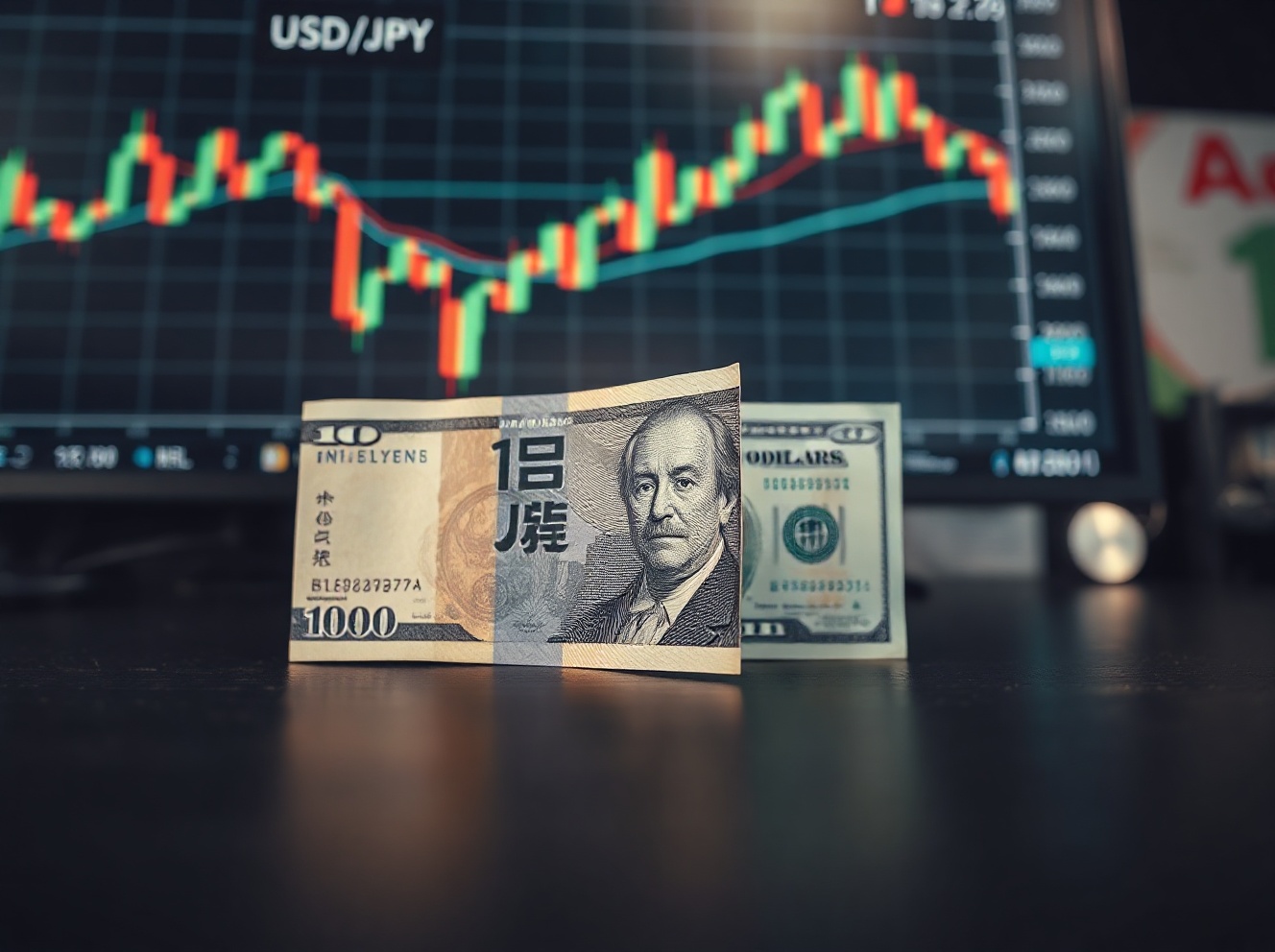
Why Did the Japanese Yen Collapse in 2026? A Deep Dive into the Currency’s Historic Fall
Share:
The Japanese yen collapsed to an all-time low of 180 per USD in early March 2026, a roughly 25% decline from 2025 driven by the BOJ's -0.1% policy rate versus the Fed's 5.25–5.50% yield gap, Japan's debt exceeding 250% of GDP, a record ¥20 trillion trade deficit and core inflation at 4.5%. The shock has triggered global volatility, central-bank FX interventions and an IMF warning, and could prompt capital flows that affect crypto and DeFi liquidity on CEXs and DEXs while complicating fundraising, token launches and investor FX/inflation risk management.
Predictions Markets
See what traders are focused on

BitcoinWorld
Why Did the Japanese Yen Collapse in 2026? A Deep Dive into the Currency’s Historic Fall
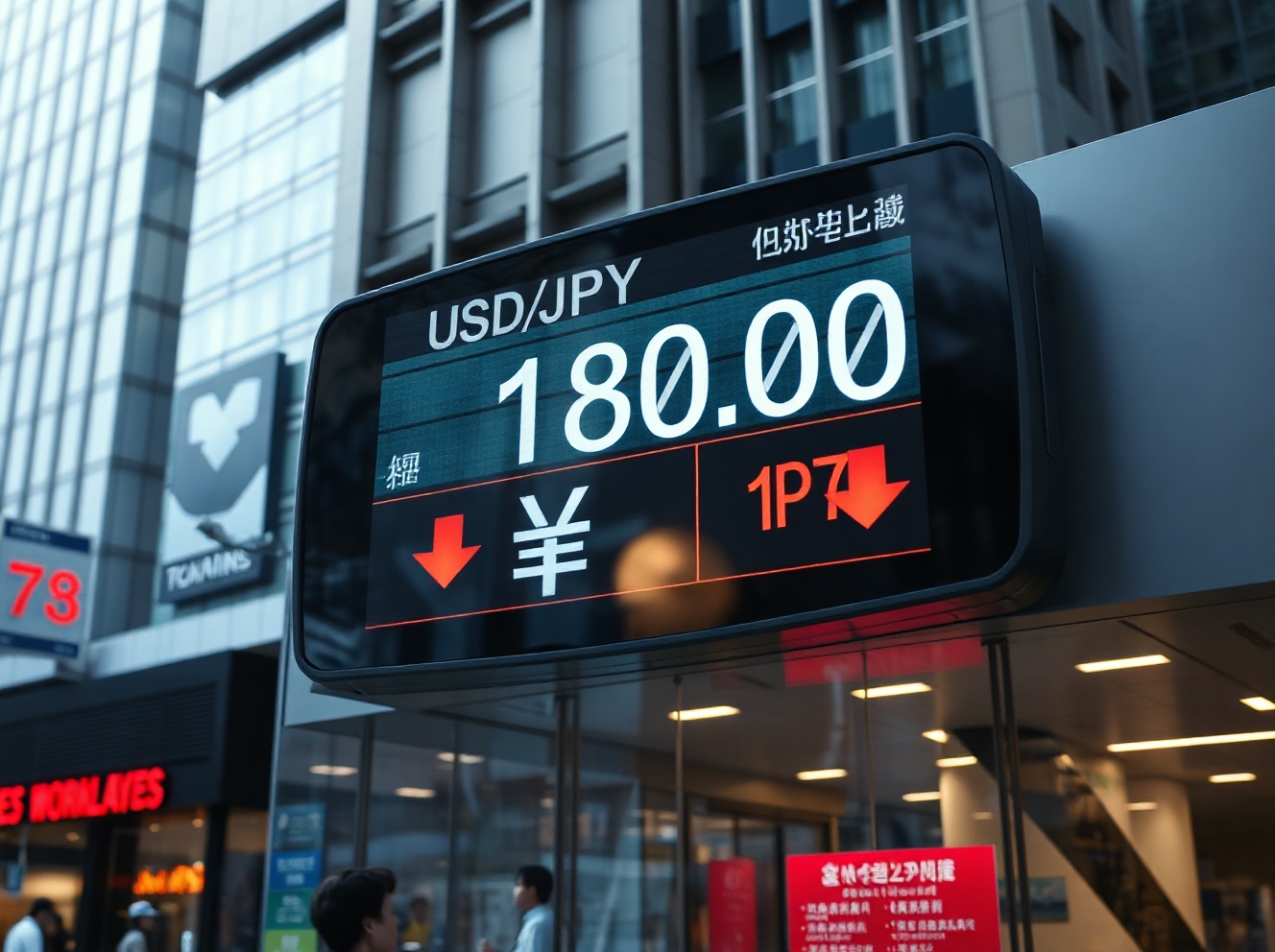
The Japanese yen collapsed to an all-time low of 180 against the U.S. dollar in early 2026, marking a 25% decline from the previous year and triggering global market turbulence. The currency’s rapid depreciation has been driven by a combination of ultra-loose monetary policy, widening interest rate differentials, and structural economic weaknesses that have eroded investor confidence in Japan’s financial stability.
What Caused the Yen’s Collapse?
The primary trigger for the yen’s 2026 collapse was the Bank of Japan’s (BOJ) decision to maintain its negative interest rate policy while the U.S. Federal Reserve kept rates elevated. As of March 2026, the BOJ’s policy rate stands at -0.1%, while the Fed funds rate remains at 5.25%–5.50%, creating a yield gap that has driven massive capital outflows from yen-denominated assets. Additionally, Japan’s government debt, which exceeds 250% of GDP, has raised concerns about fiscal sustainability, prompting foreign investors to dump Japanese bonds.
The depreciation accelerated in February 2026 when the BOJ revised its inflation forecast upward but failed to signal any near-term policy tightening. Market participants interpreted this as a lack of commitment to defending the currency, leading to speculative attacks. The yen’s fall was further exacerbated by Japan’s persistent trade deficit, which reached a record ¥20 trillion in 2025, as energy imports surged amid global price spikes.
Global Impact and Market Reactions
The yen’s collapse has had significant repercussions across global financial markets. Asian stock markets experienced heightened volatility, with the Nikkei 225 initially rallying on weaker yen (boosting exporter profits) but then falling sharply as concerns about imported inflation and corporate earnings emerged. In the U.S., the dollar’s strength against the yen has made American exports less competitive, while emerging market currencies have come under pressure as investors seek safe-haven assets.
Central banks in South Korea and China have intervened in foreign exchange markets to stabilize their own currencies, fearing competitive devaluations. The International Monetary Fund (IMF) issued a warning in March 2026, urging Japan to implement structural reforms and consider a gradual exit from ultra-loose policy to prevent further destabilization.
Why the Yen’s Collapse Matters to You
For everyday consumers, a weaker yen means higher prices for imported goods, including food, energy, and electronics. Japanese households are facing the sharpest cost-of-living squeeze in decades, with core inflation hitting 4.5% in February 2026, far above the BOJ’s 2% target. For investors, the yen’s volatility presents both risks and opportunities: while Japanese exporters may benefit from a weaker currency, foreign investors holding Japanese assets face currency conversion losses. The situation also raises questions about the long-term viability of Japan’s economic model and the effectiveness of monetary policy in a high-debt environment.
Timeline of the Yen’s Decline
The yen’s slide has been gradual but accelerated sharply in early 2026. In January 2025, the yen traded at 130 to the dollar. By June 2025, it had weakened to 145, and by December 2025, it reached 160. The most dramatic drop occurred in February 2026, when the yen broke through the 170 level and then hit 180 in early March, prompting emergency talks among G7 finance ministers. Despite occasional interventions by the Ministry of Finance, the BOJ’s continued dovish stance has undermined these efforts.
Expert Insights and Policy Responses
Economists are divided on the path forward. Some argue that the BOJ must raise rates to stabilize the yen, while others warn that doing so could trigger a debt crisis. “The BOJ is trapped between inflation and fiscal sustainability,” says Dr. Hiroshi Tanaka, a former BOJ official. “Raising rates would increase the government’s interest burden, which is already enormous.” Meanwhile, the government of Prime Minister Taro Aso has announced a stimulus package aimed at cushioning the impact on households, but critics say it does little to address the root causes.
Conclusion
The Japanese yen’s collapse in 2026 is the result of long-standing structural issues, including ultra-loose monetary policy, high public debt, and a reliance on energy imports. The situation remains fluid, with the BOJ’s next policy meeting in April 2026 seen as a critical juncture. As the yen’s decline continues to reshape global markets, its resolution will require difficult policy choices and international cooperation.
FAQs
Q1: Is the Japanese yen collapse a result of the Bank of Japan’s policies?
Yes, the BOJ’s prolonged negative interest rate policy and reluctance to tighten monetary policy are major factors, as they have widened the interest rate gap with the U.S., prompting investors to sell yen.
Q2: How has the yen’s collapse affected Japanese consumers?
Japanese consumers are facing higher prices for imported goods and energy, leading to a cost-of-living crisis with core inflation at 4.5% as of February 2026.
Q3: What could stop the yen’s decline?
A credible shift in BOJ policy, such as raising rates or signaling a clear exit from negative rates, along with structural reforms to reduce debt and boost growth, could help stabilize the yen.
This post Why Did the Japanese Yen Collapse in 2026? A Deep Dive into the Currency’s Historic Fall first appeared on BitcoinWorld.


Read More

MUFG: Japanese Yen Intervention Risks and BoJ Stance in Focus