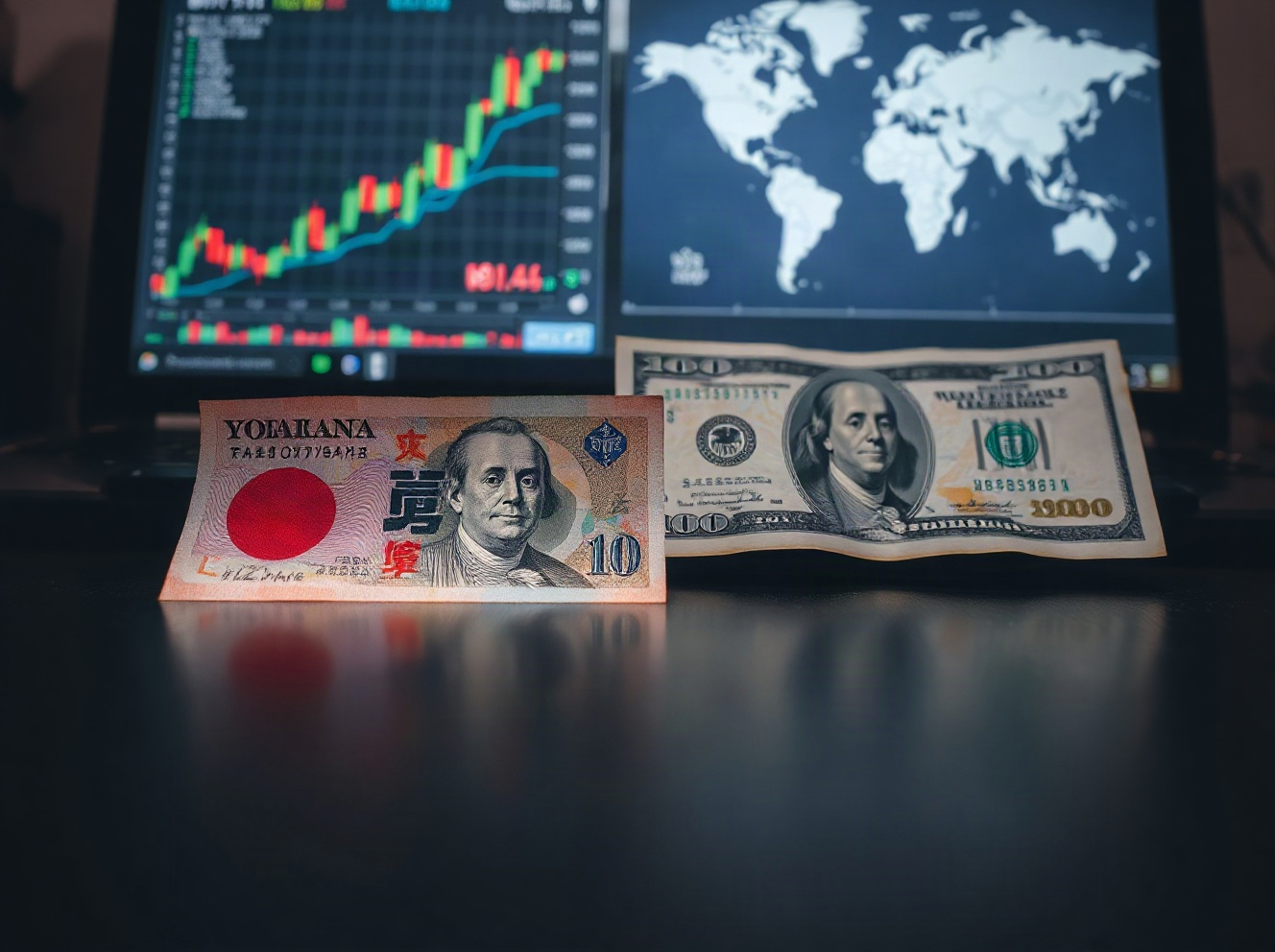
Japan Confirms Rare Coordinated Yen-Buying Intervention with US

Share:
Japan confirmed a rare coordinated yen-buying intervention with the United States after the yen hit multi-decade lows, an operation analysts estimate could have involved tens of billions of dollars executed by selling dollars and buying yen. The yen strengthened from about 150 to the 148 range but the effect may be temporary given BOJ’s ultra-loose policy and the Fed rate gap; the move could damp FX-driven crypto flows and affect CEX margining, stablecoin peg risks and DeFi adoption.
Predictions Markets
See what traders are focused on

BitcoinWorld
Japan Confirms Rare Coordinated Yen-Buying Intervention with US
Japan’s top currency diplomat, Masato Kanda, confirmed that Japanese authorities conducted a coordinated yen-buying intervention with the United States, marking a rare joint effort to stabilize the currency market.
What happened and why it matters
The confirmation came during a press briefing in Tokyo, where Kanda detailed the intervention, which occurred after the yen fell to multi-decade lows against the U.S. dollar. The move, carried out in coordination with U.S. Treasury officials, is designed to curb excessive volatility and support the yen’s value.
This intervention is notable because the U.S. typically refrains from participating in currency market actions, preferring to let markets determine exchange rates. The collaboration signals a shared concern over the yen’s rapid depreciation, which has increased import costs for Japan and added to global inflationary pressures.
Details of the intervention
While Kanda did not disclose the exact amount spent, market analysts estimate the intervention could have involved tens of billions of dollars. The operation was reportedly executed through the sale of U.S. dollars and the purchase of yen, a tactic that requires significant foreign reserves.
The timing of the intervention is also critical: it follows the Bank of Japan’s decision to maintain its ultra-loose monetary policy, which has widened the interest rate gap between Japan and the U.S., putting sustained downward pressure on the yen. The coordinated action with the U.S. adds a diplomatic dimension, underscoring the seriousness of the situation.
Market reaction and implications
Following the announcement, the yen strengthened sharply against the dollar, briefly moving from the 150 level to the 148 range. However, analysts caution that such interventions often have only a temporary effect unless accompanied by policy changes.
For global markets, this intervention signals that major economies are willing to act to prevent disorderly currency moves, which could have broader implications for trade and investment flows. It also highlights the delicate balance between domestic monetary policy and international currency stability.
Background: Why the yen has been falling
The yen has been under pressure for over a year due to the divergence in monetary policy between the Federal Reserve, which has aggressively raised interest rates to combat inflation, and the Bank of Japan, which has kept rates near zero to support its economy. This divergence has made the dollar more attractive to investors, driving the yen to its weakest levels since the 1980s.
Japan has intervened in the currency market before, but typically alone. The involvement of the U.S. marks a shift in approach, possibly reflecting concerns that a weak yen could undermine global economic stability.
What to watch next
Investors will be watching for further statements from both Japanese and U.S. officials, as well as any signs of additional intervention. The effectiveness of this move will depend on whether it can stabilize the yen in the medium term or if it merely provides temporary relief.
For Japanese consumers, a stronger yen could eventually lower the cost of imported goods, easing some inflationary pressures. For businesses, it could reduce the competitive advantage of exports, which had benefited from a weaker currency.
Conclusion
The coordinated yen-buying intervention between Japan and the U.S. is a significant policy action aimed at addressing currency volatility. While its long-term impact remains uncertain, it underscores the challenges posed by divergent monetary policies and the interconnectedness of global financial markets.
FAQs
Q1: What is a yen-buying intervention?
A yen-buying intervention is when authorities sell foreign currencies, like the U.S. dollar, to buy yen, increasing its value. This is typically done to counteract excessive depreciation of the yen.
Q2: Why is the U.S. involved in this intervention?
The U.S. involvement is rare and reflects a shared concern over the yen’s rapid decline, which could have global economic repercussions. It signals a cooperative effort to stabilize markets.
Q3: How long will the effects of the intervention last?
The effects are often temporary, lasting days or weeks, unless accompanied by changes in monetary policy. The yen’s value will continue to be influenced by interest rate differentials and economic fundamentals.
This post Japan Confirms Rare Coordinated Yen-Buying Intervention with US first appeared on BitcoinWorld.


Predictions Markets
See what traders are focused on
Share:
Predictions Markets
See what traders are focused on
Share:
Read More
Yen Rallies as Suspected Intervention by Japanese Authorities Hits the Market