Sweden’s Economic Outlook: Growth, Inflation, and Riksbank Risks Analyzed by Rabobank
Share:
Predictions Markets
See what traders are focused on

BitcoinWorld
Sweden’s Economic Outlook: Growth, Inflation, and Riksbank Risks Analyzed by Rabobank
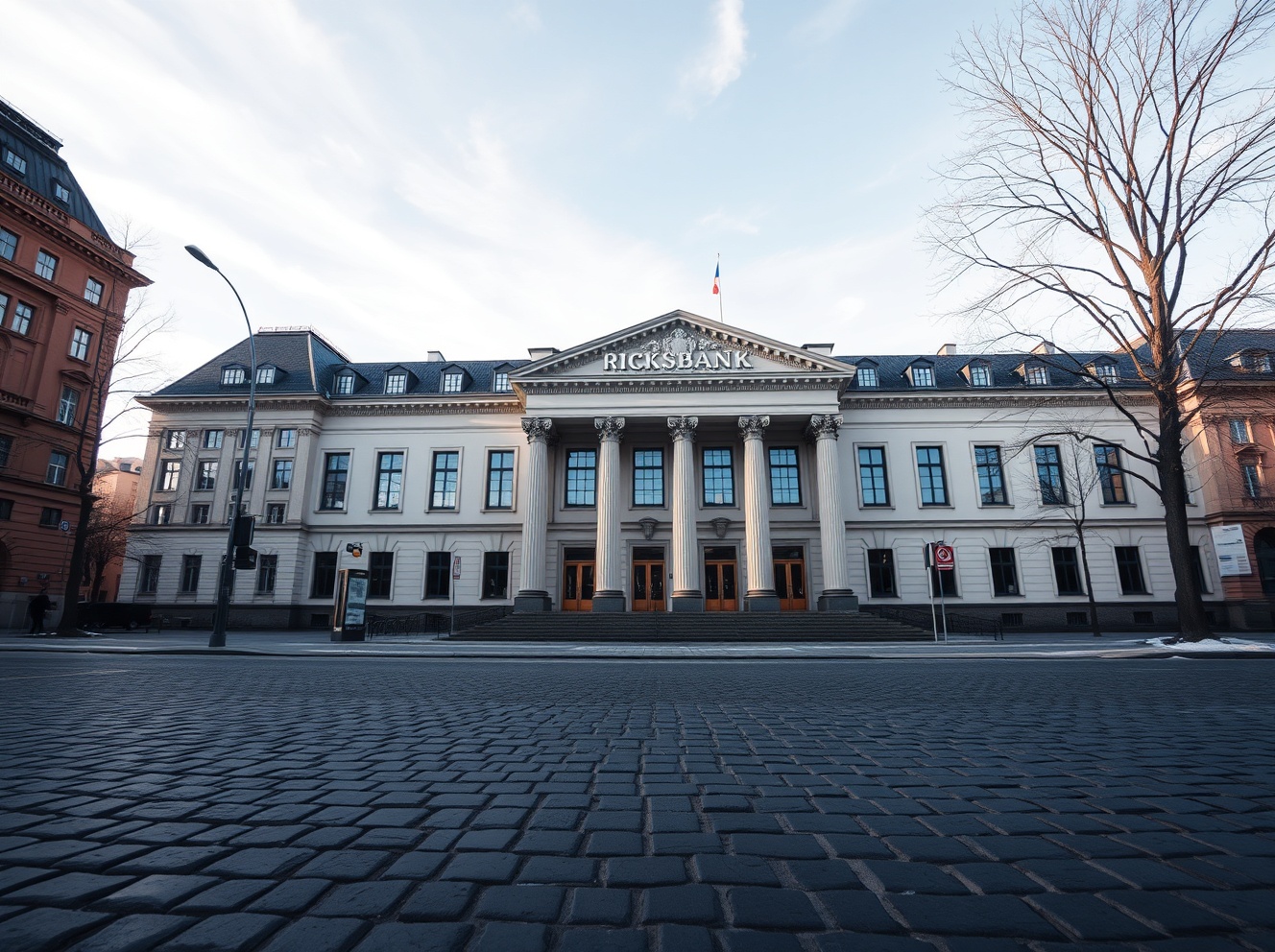
Sweden’s economy is navigating a delicate phase, with moderate growth, persistent inflationary pressures, and increasing risks surrounding the Riksbank’s monetary policy trajectory, according to a recent analysis from Rabobank. The report provides a detailed assessment of the macroeconomic landscape, offering critical insights for investors, businesses, and policymakers monitoring the Nordic region’s largest economy.
Growth Outlook: Moderate Expansion Amid Headwinds
Rabobank’s analysis indicates that Sweden’s economic growth is expected to remain modest in the near term, constrained by tight monetary conditions and subdued global demand. The Swedish economy, heavily reliant on exports and domestic consumption, faces headwinds from elevated interest rates and a softening housing market. While a recession is not the baseline scenario, the risk of a prolonged slowdown has increased. The report highlights that GDP growth is likely to hover around 1% to 1.5% over the next 12 months, below the country’s historical average.
Inflation: Persistent but Gradually Cooling
Inflation in Sweden, while having peaked, remains above the Riksbank’s 2% target. Core inflation measures, which exclude volatile energy and food prices, are proving stickier than anticipated. Rabobank notes that service sector inflation and wage growth are key factors keeping price pressures elevated. The central bank’s tightening cycle has helped bring headline inflation down from double-digit levels, but the path back to target is expected to be gradual. The report emphasizes that any resurgence in inflation could force the Riksbank to maintain or even raise rates further, posing additional risks to economic activity.
Riksbank Policy Risks: A Delicate Balancing Act
The Riksbank faces a challenging policy environment, balancing the need to curb inflation against the risk of tipping the economy into a deeper downturn. Rabobank’s analysis suggests that the central bank may have concluded its rate hiking cycle, but the timing and pace of any rate cuts remain highly uncertain. Premature easing could reignite inflation, while prolonged tightness could exacerbate economic weakness. The report underscores that the Riksbank’s forward guidance will be critical in shaping market expectations and influencing the krona’s exchange rate, which has already experienced significant volatility.
Implications for Investors and Businesses
For investors, the uncertain policy outlook means heightened volatility in Swedish fixed-income and currency markets. Rabobank advises a cautious approach, favoring shorter-duration bonds and hedging against krona depreciation. Businesses, particularly those in interest-rate-sensitive sectors like real estate and construction, should prepare for a prolonged period of tight financial conditions. The analysis also notes that Sweden’s strong fiscal position and institutional stability provide a buffer, but these advantages may not fully insulate the economy from external shocks.
Conclusion
Rabobank’s assessment paints a picture of an economy at a crossroads, where the path forward depends on the Riksbank’s ability to calibrate policy precisely. While Sweden’s fundamentals remain solid, the combination of persistent inflation, moderate growth, and policy uncertainty creates a challenging environment. The coming quarters will be pivotal in determining whether the economy achieves a soft landing or faces more pronounced headwinds.
FAQs
Q1: What is the main risk to Sweden’s economy according to Rabobank?
The primary risk is the Riksbank’s policy trajectory—specifically, the potential for maintaining high interest rates too long, which could deepen an economic slowdown, or cutting rates too early, which could reignite inflation.
Q2: How is inflation in Sweden currently trending?
Inflation has moderated from its peak but remains above the Riksbank’s 2% target. Core inflation, especially in services, is proving persistent due to wage growth and other structural factors.
Q3: What sectors are most vulnerable to the current economic conditions in Sweden?
Interest-rate-sensitive sectors such as real estate, construction, and consumer durables are most vulnerable. Additionally, export-oriented industries face headwinds from subdued global demand and currency volatility.
This post Sweden’s Economic Outlook: Growth, Inflation, and Riksbank Risks Analyzed by Rabobank first appeared on BitcoinWorld.


Read More
Euro’s Summer Range Holds Firm Against US Dollar, Commerzbank Reports