
Can Tokenization Narratives Finally Lift Crypto Prices?

Share:
Tokenization in crypto has surged from about $1 billion to $30 billion in three years (a 30x increase) as stablecoins and tokenized securities drive infrastructure adoption; Securitize is preparing to raise roughly $400 million via a SPAC ahead of an expected NYSE debut as SECZ on July 2, 2026, and the DTCC has a one-day interoperability test scheduled for July 13 with a full rollout targeted for October 2026. Despite growing TVL and revenue in tokenized DeFi products, token prices lag because many tokens lack direct value accrual and face supply pressure—ONDO saw nearly 20% of supply unlocked in January 2026 with another major unlock expected next year—underscoring tokenomics, cash-flow capture, fundraising, and security as key risks for DEX/CEX listings and token launches.
Predictions Markets
See what traders are focused on

Tokenization keeps winning. Token prices, meanwhile, seem to have missed the memo. Over the last three years, on-chain real-world assets have exploded from roughly $1 billion to $30 billion as stocks, bonds, treasuries, real estate, and other traditional financial instruments steadily migrate onto blockchain rails. That’s a 30x expansion in what many believe could become the foundation layer of future finance.
Infrastructure Growth Happens Behind The Curtains
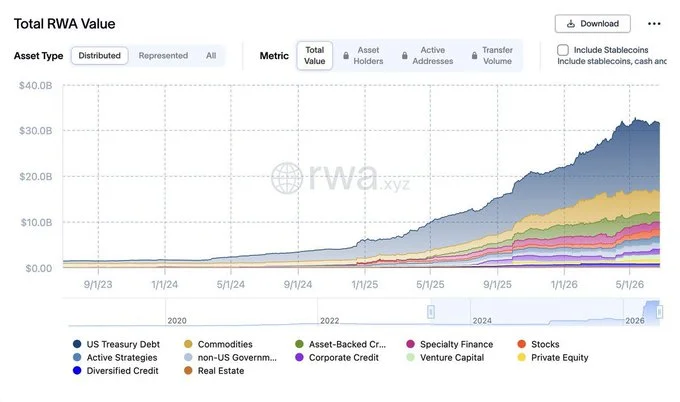
The latest developments only strengthen that argument. Industry executives recently pointed to stablecoins becoming invisible financial infrastructure, with examples including stablecoin-powered remittances between the United States and India. The bigger opportunity, however, may be tokenization opening global access to U.S. capital markets alongside 24/7 trading.
Meanwhile, tokenization firm Securitize is preparing to raise approximately $400 million through its SPAC merger ahead of its expected NYSE debut under ticker SECZ on July 2.
Adding to the momentum, the DTCC confirmed a one-day tokenization interoperability test event for July 13 across two blockchains, with a full-scale rollout targeted for October 2026.
Token Growth Doesn’t Always Mean Token Gains
Yet tokenization-related cryptocurrencies continue struggling to attract similar enthusiasm. Some market participants like TedPillows argue the problem is simple: not every crypto project needs a token.
One example frequently discussed is ONDO. Despite growth in total value locked and revenue reaching record highs, critics argue the token lacks direct value accrual mechanisms that benefit holders.
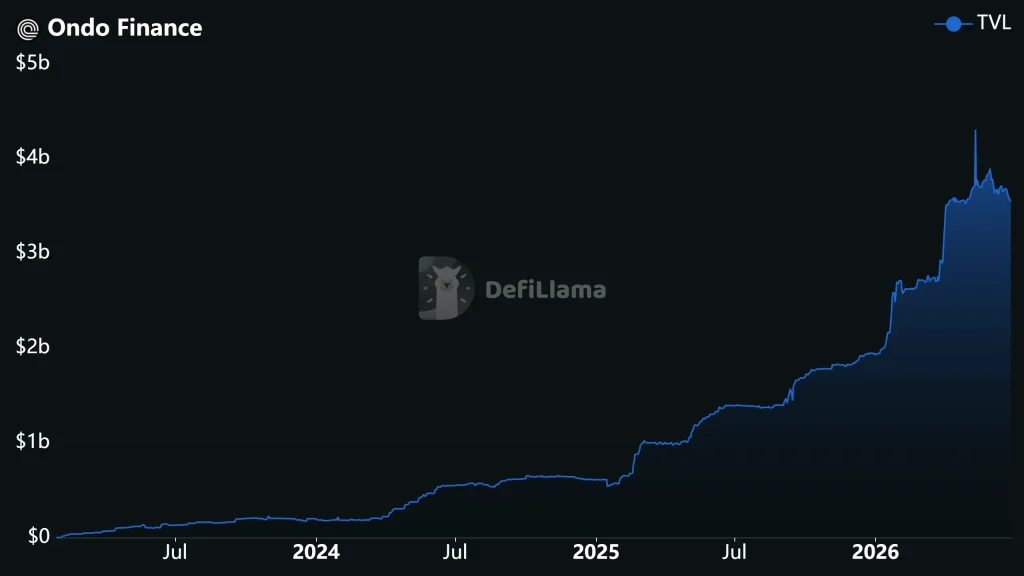
Supply dynamics haven’t helped either. Nearly 20% of ONDO’s total supply unlocked in January 2026, with another major unlock expected next year.
Markets Care About Cash Flows And Supply
That combination may explain why tokenization narratives continue booming while several related crypto assets remain far below previous highs.
Infrastructure can thrive. Revenue can grow. Institutions can arrive. But if a token doesn’t capture the value being created, markets eventually notice the difference. For tokenization crypto projects, that distinction may matter more than the technology itself.


