South Korea Crypto Volumes Shrink as Retail Investors Shift to Stocks
Share:
South Korea's cryptocurrency trading volumes on major exchanges have fallen by double-digit percentages in recent weeks as retail investors redirect capital into a rallying KOSPI and KOSDAQ, boosted by rebounds in semiconductor and battery stocks. Tighter exchange registration requirements and investor-protection rules have cooled speculative crypto activity and reduced the Kimchi premium, signaling broader retail cooling even as institutional activity remains steady and the market shows signs of maturation.
Predictions Markets
See what traders are focused on

BitcoinWorld
South Korea Crypto Volumes Shrink as Retail Investors Shift to Stocks
Cryptocurrency trading volumes in South Korea have declined significantly as retail investors increasingly redirect capital toward domestic equities, according to market data. The shift marks a notable change in risk appetite among Korean traders, who were once among the most active participants in global crypto markets.
Declining volumes reflect changing sentiment
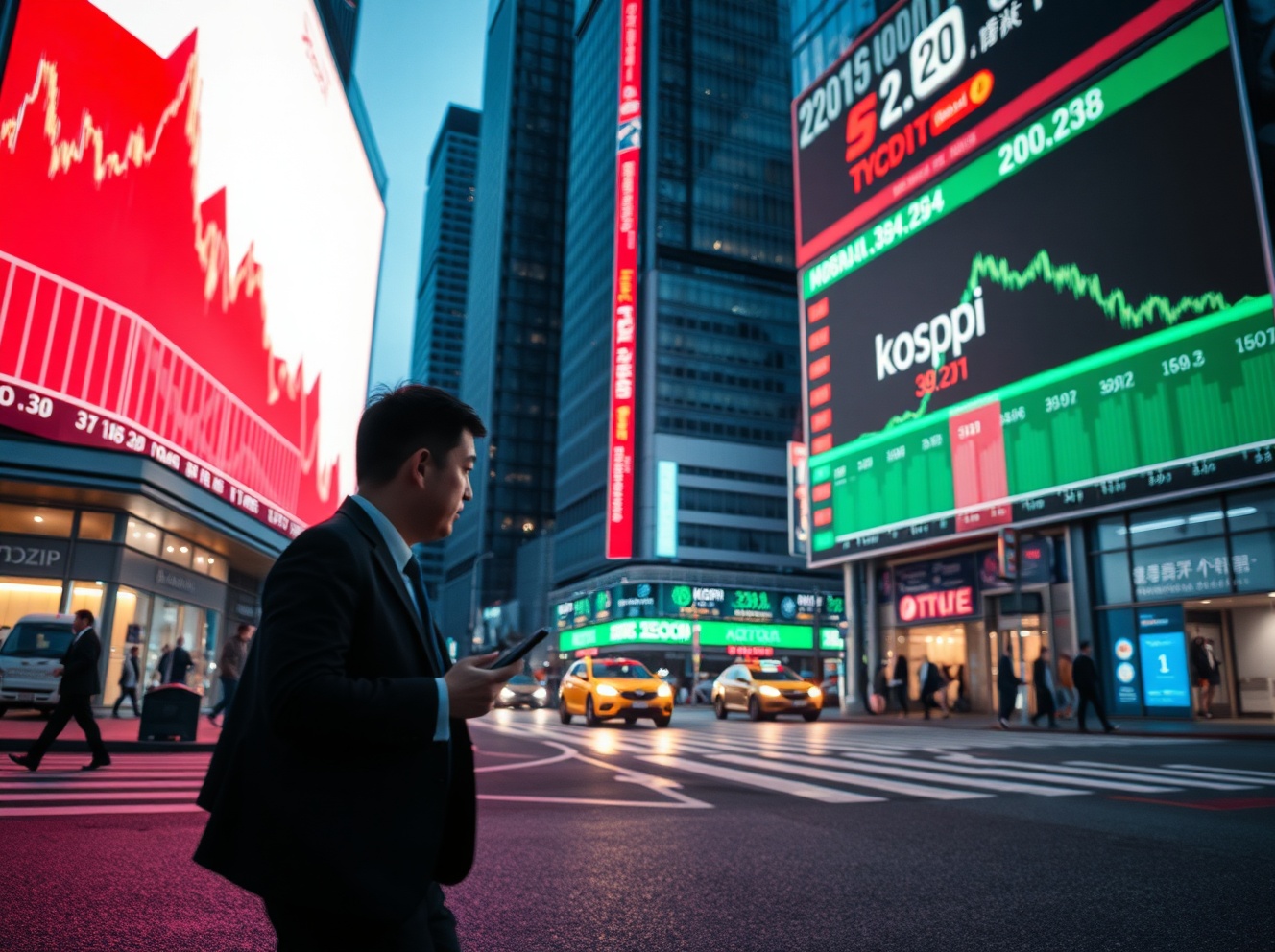
Data from local exchanges shows that average daily crypto trading volumes on major Korean platforms have fallen by double-digit percentages in recent weeks. The decline coincides with a rally in the KOSPI and KOSDAQ indices, which have attracted retail investors seeking more regulated and familiar investment vehicles. Analysts point to a combination of factors: tighter regulatory scrutiny on crypto exchanges, reduced speculative fervor in digital assets, and improved performance in traditional markets.
Why Korean retail investors are moving
South Korean retail investors, known for their high-risk tolerance, have historically driven significant crypto trading volumes. However, the current environment has made stocks comparatively more attractive. The government’s push for clearer crypto regulations, including stricter exchange registration requirements and investor protection rules, has cooled some of the enthusiasm. At the same time, a rebound in semiconductor and battery stocks—key sectors in the Korean market—has offered compelling returns without the volatility associated with digital assets.
Market implications
The volume shift is not just a local phenomenon but has broader implications for global crypto markets. South Korea has long been a bellwether for retail crypto sentiment, and its trading premiums (the so-called “Kimchi premium”) have historically signaled market direction. A sustained decline in Korean volumes could indicate a broader cooling of retail interest in cryptocurrencies worldwide. However, institutional activity in the sector remains steady, suggesting the market is maturing rather than contracting.
Conclusion
The reduction in South Korean crypto trading volumes represents a meaningful realignment of retail investor behavior. While the shift toward stocks may be temporary, it underscores the importance of regulatory clarity and market performance in shaping investment flows. For now, Korean traders appear to be favoring the stability and familiarity of their domestic stock market over the volatility of digital assets.
FAQs
Q1: Why are South Korean investors leaving crypto for stocks?
A1: A combination of tighter crypto regulations, improved stock market performance, and reduced speculative interest in digital assets has made domestic equities more attractive to Korean retail investors.
Q2: How significant is South Korea’s role in global crypto markets?
A2: South Korea has historically been a major hub for retail crypto trading, often influencing global sentiment and price trends. Its trading volumes and premiums are closely watched by analysts.
Q3: Could this trend reverse?
A3: Yes, market conditions can shift quickly. A downturn in Korean stocks or a new catalyst in the crypto space—such as regulatory clarity or technological developments—could draw retail investors back to digital assets.
This post South Korea Crypto Volumes Shrink as Retail Investors Shift to Stocks first appeared on BitcoinWorld.
In This News
Coins

$ 6.71K
-3.06%Predictions Markets
See what traders are focused on
Share:
In This News
Coins
$ 6.71K
-3.06%Predictions Markets
See what traders are focused on
Share:
Read More
Ether Outperforms Bitcoin as ‘Golden Cross’ Signals Further Upside