Pound Sterling Drops Against Peers After Bank of England Holds Rates Steady
Share:
The Bank of England held rates at 5.25% in a 6-3 vote and signalled caution on inflation, sending sterling down roughly 0.5% with GBP/USD slipping below 1.2700 and GBP/EUR toward 1.1650; UK CPI for April is due mid-May. For crypto markets, the pound’s weakness and elevated UK policy uncertainty increase FX volatility that can disrupt GBP rails on CEXs and DEX fiat gateways, complicate token launch and fundraising pricing and heightening risk for GBP‑denominated DeFi exposure.
Predictions Markets
See what traders are focused on

BitcoinWorld
Pound Sterling Drops Against Peers After Bank of England Holds Rates Steady
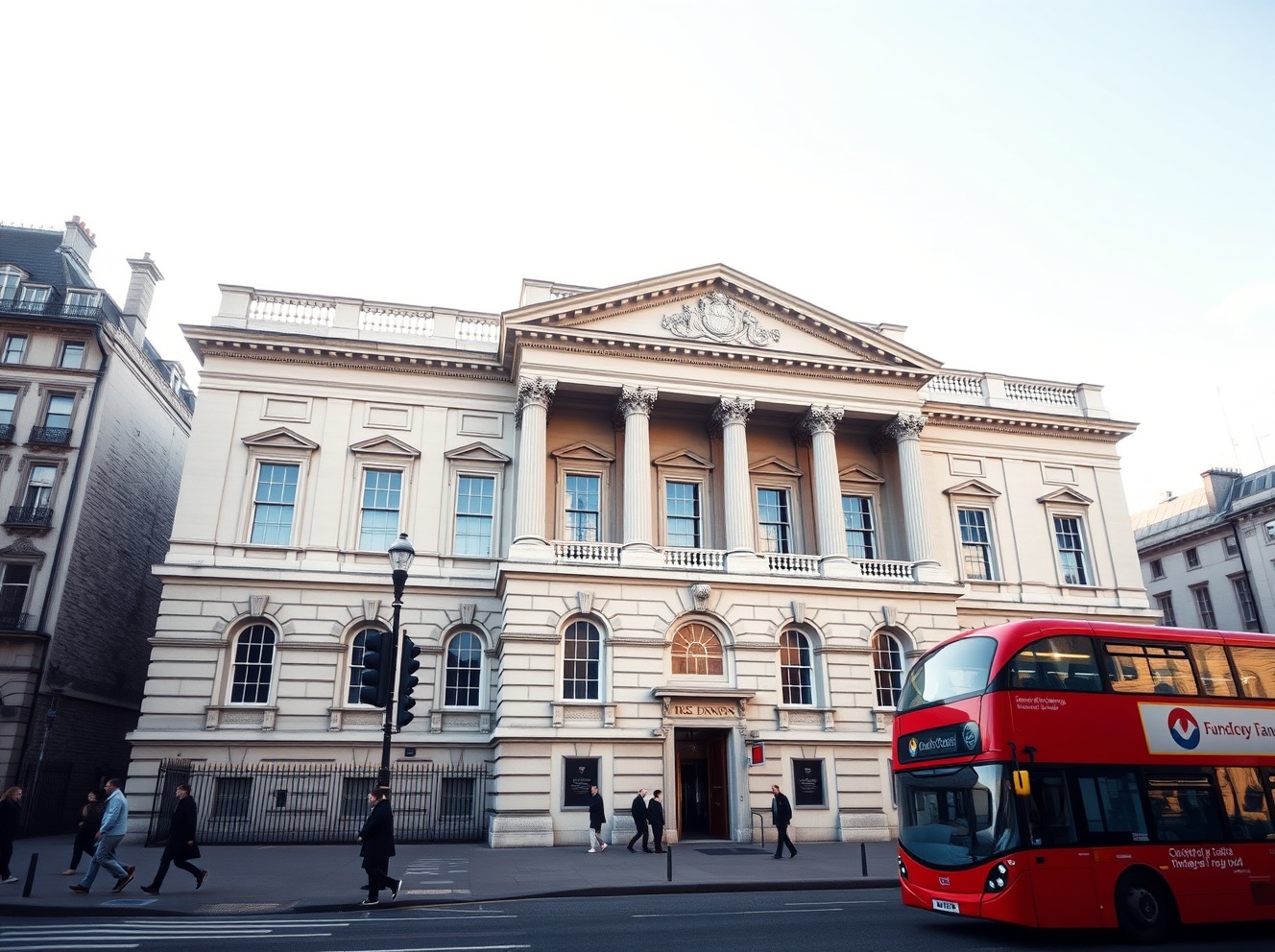
The British pound weakened against its major trading partners on Thursday following the Bank of England’s (BoE) decision to hold interest rates at 5.25%. The move, widely expected by markets, nonetheless triggered a sell-off in sterling as the accompanying policy statement struck a cautious tone on the economic outlook, dampening expectations for near-term rate cuts.
BoE Holds Rates, Signals Caution on Inflation
The Monetary Policy Committee (MPC) voted 6-3 to maintain the Bank Rate, with the minority favoring a 25-basis-point cut. The decision keeps borrowing costs at their highest level since early 2008. In its statement, the BoE noted that inflation remains above the 2% target and that services price pressures are proving stickier than anticipated. Governor Andrew Bailey emphasized that the committee needs to see more conclusive evidence that underlying inflation is sustainably returning to target before considering looser policy. This cautious language weighed on sterling, as some traders had hoped for a more dovish signal.
Market Reaction: GBP/USD and GBP/EUR Under Pressure
Following the announcement, GBP/USD fell below the 1.2700 handle, marking a decline of roughly 0.5% on the day. The pair had been trading in a narrow range ahead of the decision. Against the euro, sterling also lost ground, with GBP/EUR slipping toward 1.1650. The moves reflect a broad reassessment of the relative pace of monetary easing between the UK and other major economies. While the European Central Bank and the Federal Reserve have both signaled potential rate cuts later this year, the BoE’s cautious stance introduces uncertainty about the timing of any UK easing cycle.
What This Means for Traders and Investors
For currency traders, the immediate takeaway is that the pound is likely to remain sensitive to incoming UK economic data, particularly wage growth and services inflation figures. The BoE’s insistence on data-dependency means that any downside surprises in inflation or employment could shift expectations quickly. For businesses and investors with GBP exposure, the current environment suggests continued volatility. The UK economy faces a delicate balancing act between persistent inflation and sluggish growth, a combination that typically keeps currency markets on edge. The next major data point is the UK CPI release for April, due in mid-May, which will provide the next test for sterling.
Conclusion
The pound’s decline following the BoE’s rate hold reflects a market recalibrating its expectations for UK monetary policy. With inflation proving stubborn and the economic outlook uncertain, sterling may face further headwinds in the near term. Traders will now focus on upcoming economic data and any shifts in the MPC’s voting pattern for clearer directional cues.
FAQs
Q1: Why did the pound fall after the Bank of England held rates?
The pound fell because the BoE’s cautious statement suggested rate cuts are not imminent, disappointing some traders who had hoped for a more dovish tone. The 6-3 vote to hold also indicated internal division, adding uncertainty.
Q2: What is the outlook for GBP/USD?
GBP/USD is likely to remain range-bound in the near term, with support around 1.2600 and resistance near 1.2800. Direction will depend on upcoming UK inflation and wage data, as well as Federal Reserve policy signals.
Q3: When might the Bank of England cut rates?
The BoE has not provided a specific timeline. Most analysts expect the first rate cut to occur in late 2024 or early 2025, contingent on inflation falling sustainably toward the 2% target and economic growth stabilizing.
This post Pound Sterling Drops Against Peers After Bank of England Holds Rates Steady first appeared on BitcoinWorld.


Read More
Euro slips from four-week highs against Pound as markets await Bank of England decision