Asian Currencies Mixed as Dollar Steadies; Yen Hovers Near 160

Share:
Asian currencies traded mixed as the U.S. dollar steadied and investors weighed Fed policy; the Japanese yen hovered around 159.8 per dollar, just shy of the 160 intervention threshold, while the Chinese yuan, South Korean won, Singapore dollar, Thai baht and Indonesian rupiah showed modest moves. A firmer dollar and the prospect of Tokyo intervention raise short-term volatility that could pressure crypto flows and regional adoption, complicate liquidity on CEXs and DEXs, and weigh on DeFi fundraising and token performance.
Predictions Markets
See what traders are focused on

BitcoinWorld
Asian Currencies Mixed as Dollar Steadies; Yen Hovers Near 160
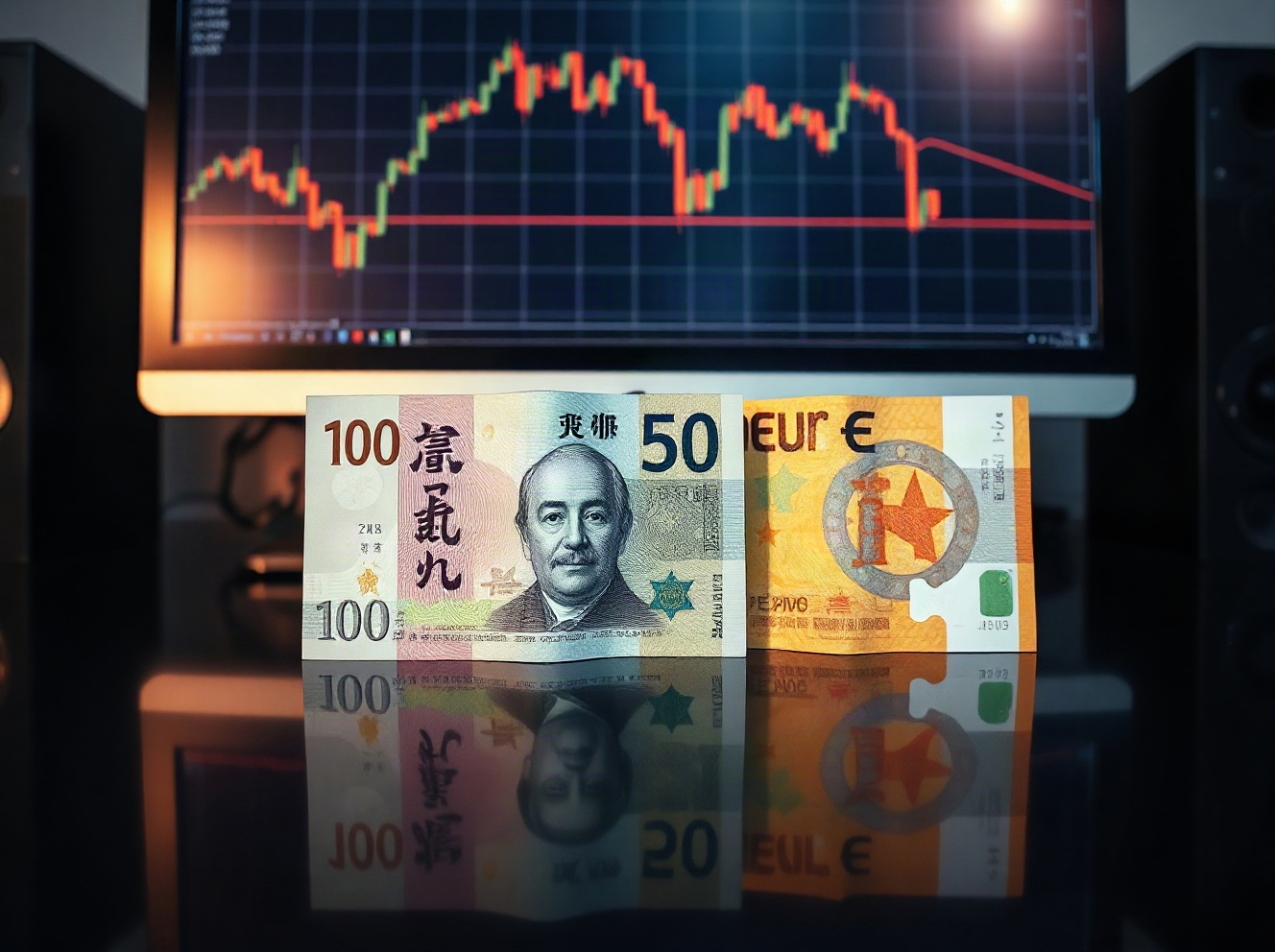
Asian currencies traded mixed on Tuesday as the dollar steadied, with the Japanese yen remaining under pressure near the 160 level against the greenback, keeping traders alert to possible intervention by Tokyo.
Dollar Steadies After Recent Gains
The U.S. dollar index held its ground after a period of strength, as investors weighed the Federal Reserve’s policy outlook against robust U.S. economic data. This steadiness provided little relief for regional currencies, which have been grappling with a resilient dollar and shifting interest rate expectations.
In Asia, the Chinese yuan, South Korean won, and Singapore dollar all showed modest movements, reflecting a lack of clear directional catalysts. The Thai baht and Indonesian rupiah also traded within narrow ranges, as markets awaited fresh economic cues from the region.
Yen Remains in Focus Near 160
The Japanese yen hovered near the psychologically important 160 per dollar level, a threshold that previously triggered intervention by Japanese authorities in 2022. The currency’s weakness stems from the wide interest rate differential between Japan and the U.S., with the Bank of Japan maintaining ultra-low rates while the Fed has kept borrowing costs elevated.
As of the latest trading session, the yen was trading around 159.8 per dollar, just shy of the level that prompted the Ministry of Finance to step in last year. Traders remain wary of any sudden moves, with verbal warnings from Japanese officials already intensifying.
Why It Matters
The yen’s slide has significant implications for Japan’s import costs, which feed into inflation, and for the broader Asian economy, as a weaker yen can pressure other regional currencies. For investors, the risk of intervention adds an element of unpredictability, potentially leading to sharp, short-term reversals.
Regional Outlook and Key Drivers
Looking ahead, currency markets will be closely watching upcoming U.S. inflation data and remarks from Federal Reserve officials for clues on the pace of rate cuts. Any signals of prolonged higher rates could keep the dollar firm, further testing Asian currencies.
In the meantime, central banks in the region are likely to remain vigilant, with some, like the Bank of Indonesia, already intervening to support their currencies. The overall sentiment is cautious, as traders navigate a complex interplay of global monetary policy, geopolitical risks, and domestic economic fundamentals.
Conclusion
Asian currencies are treading water as the dollar steadies, but the yen’s proximity to 160 keeps the threat of intervention real. With key economic data on the horizon, volatility could return quickly, making this a critical juncture for regional exchange rates.
FAQs
Q1: Why is the yen so weak against the dollar?
The yen’s weakness is primarily due to the large interest rate gap between the U.S. and Japan. The Federal Reserve has maintained high interest rates to combat inflation, while the Bank of Japan has kept rates extremely low to support its economy, making dollar-denominated assets more attractive.
Q2: What is the significance of the 160 level for the yen?
The 160 level is seen as a threshold that could prompt Japanese authorities to intervene in the currency market, as they did in 2022. It represents a point where the yen’s decline becomes a concern for policymakers due to its impact on import prices and the cost of living.
Q3: How might Asian currencies be affected if the dollar remains strong?
A persistently strong dollar can put downward pressure on Asian currencies, making imports more expensive and potentially fueling inflation. It can also lead to capital outflows from emerging markets, forcing central banks to raise rates or intervene to stabilize their currencies.
This post Asian Currencies Mixed as Dollar Steadies; Yen Hovers Near 160 first appeared on BitcoinWorld.


Predictions Markets
See what traders are focused on
Share:
Predictions Markets
See what traders are focused on
Share:
Read More

Japanese Yen: Intervention Risk May Revive Tactical Longs, Says BNY