Australian Dollar Under Pressure as Manufacturing Slows and Housing Market Cools, BNY Warns
Share:
BNY warns the Australian dollar faces downside after manufacturing PMI slipped below 50, factory output and new orders declined and the housing market cooled with falling auction clearance rates and home loan approvals, leaving the AUD near recent lows versus the US dollar. Markets now price a lower probability of further RBA hikes; these domestic weaknesses could alter risk sentiment and affect crypto adoption, fiat on‑ramps, CEX/DEX flows and DeFi activity in Australia, but the update is chiefly a macro FX risk rather than a clear bullish catalyst for tokens.
Predictions Markets
See what traders are focused on

BitcoinWorld
Australian Dollar Under Pressure as Manufacturing Slows and Housing Market Cools, BNY Warns
The Australian dollar is facing renewed headwinds as the country’s manufacturing sector shows signs of a deepening slowdown and the housing market begins to cool, according to a new analysis from BNY. The currency, already sensitive to global risk sentiment and commodity price shifts, now confronts domestic pressures that could test the Reserve Bank of Australia’s policy path.
Manufacturing Loses Momentum
Recent data points to a contraction in Australian manufacturing activity, with output and new orders declining. BNY notes that the slowdown is partly linked to weaker global demand, particularly from China, Australia’s largest trading partner. The manufacturing purchasing managers’ index has slipped below the 50-point threshold that separates expansion from contraction, a signal that has historically weighed on the Australian dollar.
Factory output in sectors such as metals, machinery, and food processing has softened, and business confidence among manufacturers has dropped. This adds to concerns that the broader economy may struggle to maintain growth momentum in the second half of the year.
Housing Market Begins to Cool
After a prolonged period of rising prices, Australia’s housing market is showing clear signs of cooling. Auction clearance rates have fallen in major cities like Sydney and Melbourne, and home loan approvals have declined. BNY analysts point out that higher interest rates, combined with affordability constraints, are starting to dampen buyer demand.
A softer housing market has implications for household wealth and consumer spending, both of which are closely tied to the Australian dollar’s performance. If property prices continue to ease, the RBA may face pressure to reconsider its tightening stance, which could further weaken the currency.
What This Means for the RBA
The dual slowdown in manufacturing and housing presents a challenge for the Reserve Bank of Australia. While inflation remains above target, the central bank must weigh the risk of further rate hikes against the possibility of tipping the economy into a downturn. BNY suggests that the Australian dollar could remain under pressure until there is clearer evidence that domestic demand is stabilizing.
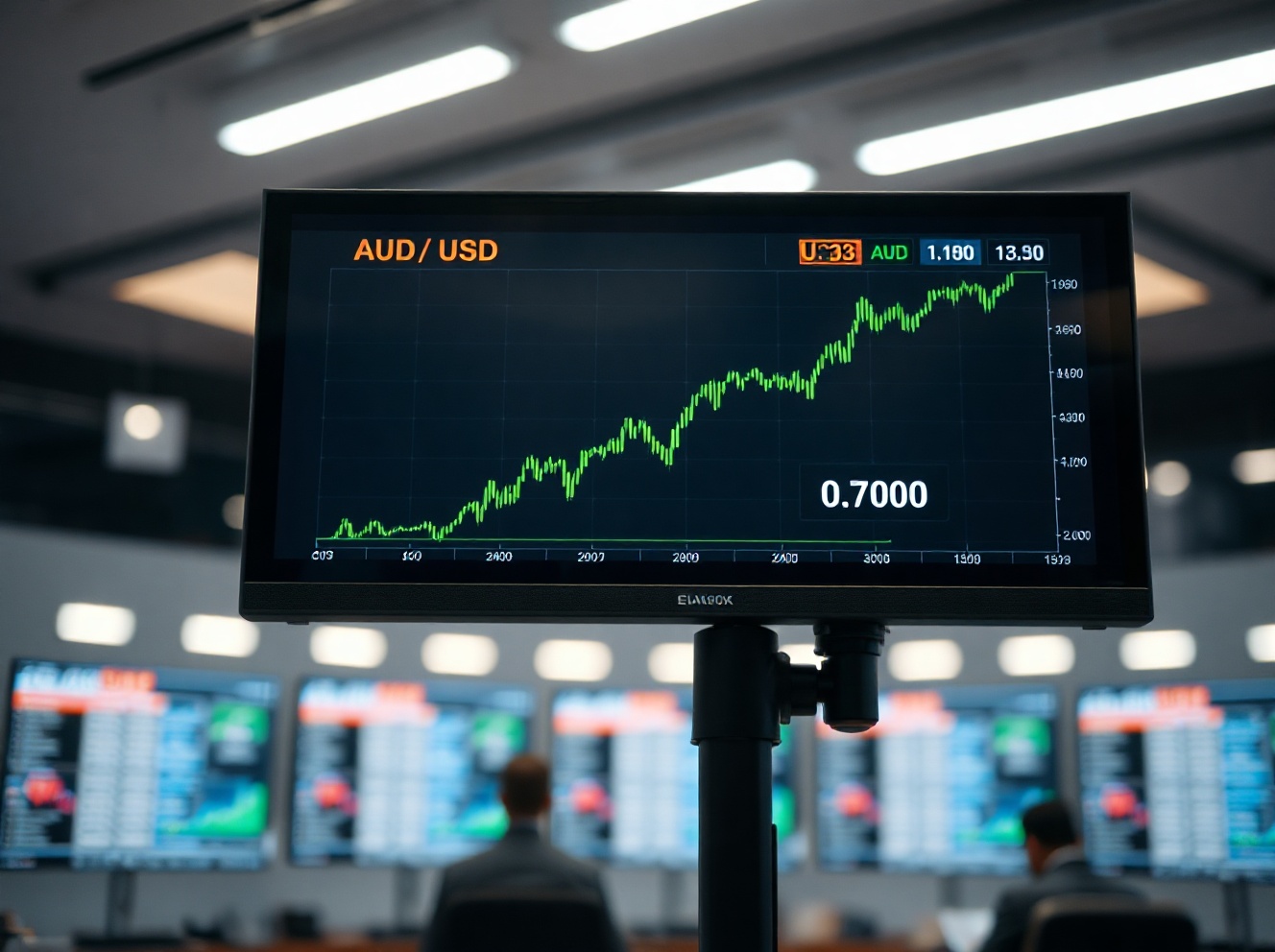
Currency markets are already pricing in a lower probability of additional rate increases, and any dovish signals from the RBA would likely accelerate the Australian dollar’s decline. For now, the currency is trading near recent lows against the US dollar, reflecting the fragile economic outlook.
Conclusion
The Australian dollar’s near-term trajectory depends on whether the manufacturing and housing slowdowns prove temporary or become entrenched. BNY’s analysis highlights that the currency is caught between external headwinds and domestic vulnerabilities, making it one of the more closely watched currencies in emerging and developed markets alike. Investors should monitor upcoming economic data and RBA communications for further direction.
FAQs
Q1: Why does manufacturing slowdown affect the Australian dollar?
Manufacturing is a key part of Australia’s export economy, especially in metals and machinery. A slowdown reduces export revenue and weakens economic growth, which can lower demand for the Australian dollar.
Q2: How does the housing market influence the Australian dollar?
Housing affects household wealth and consumer confidence. A cooling market can reduce spending and economic activity, making the currency less attractive to investors.
Q3: What is BNY’s main conclusion about the Australian dollar?
BNY warns that the Australian dollar faces continued downside risk due to simultaneous weakness in manufacturing and housing, which could complicate RBA policy decisions and keep the currency under pressure.
This post Australian Dollar Under Pressure as Manufacturing Slows and Housing Market Cools, BNY Warns first appeared on BitcoinWorld.

Read More

AUD/USD Recovers Ground as Trade and Geopolitical Risks Loom