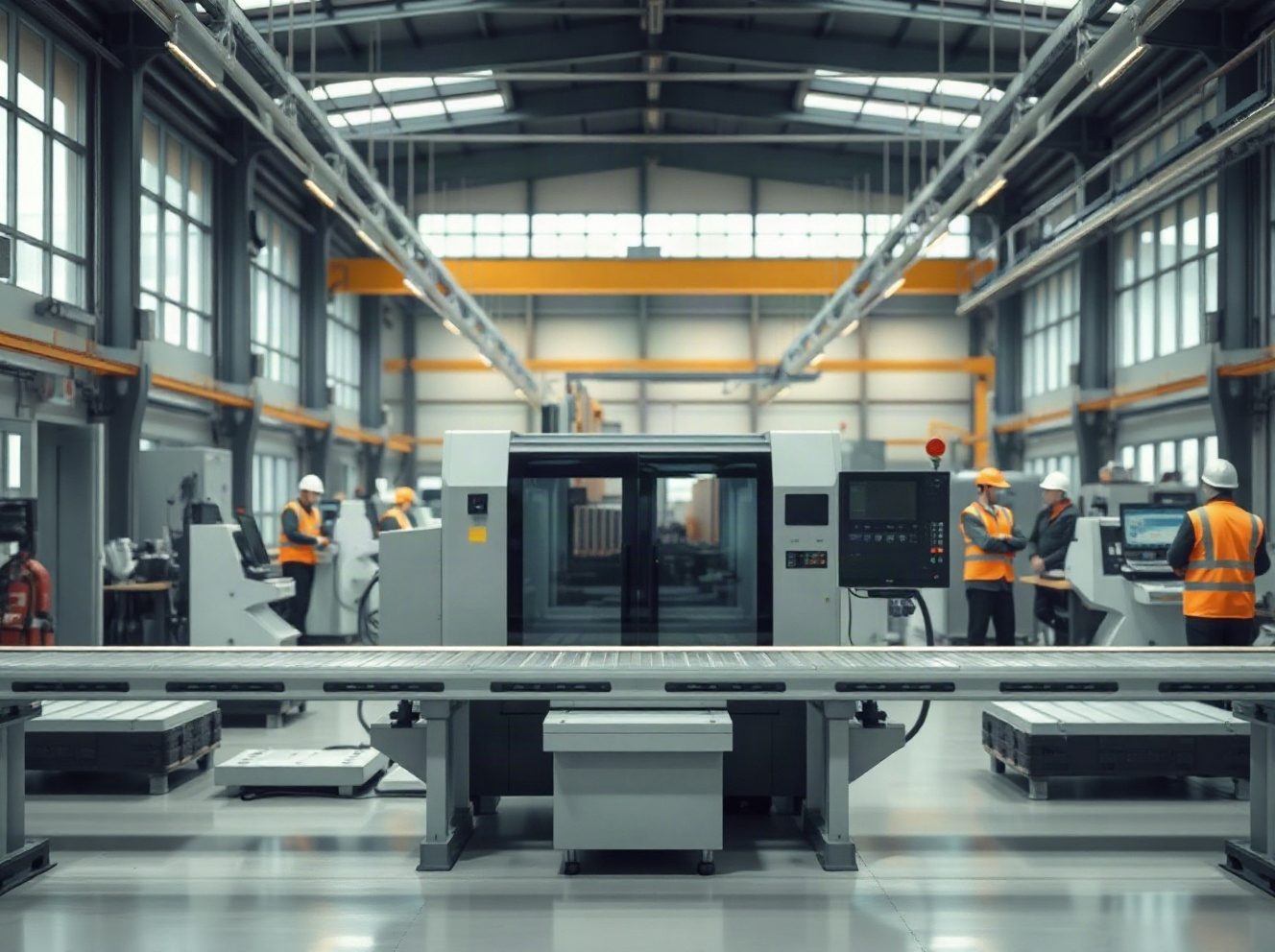
Australia Manufacturing PMI Steady at 52.0 in August, Signaling Sustained Expansion

Share:
Australia’s manufacturing PMI held at 52.0 in August (S&P Global, released September 2, 2026), marking a second consecutive month of expansion driven by stronger domestic output and new orders. Export demand is subdued and input costs remain elevated, posing margin and inflation risks the RBA is watching, while the steady reading could support risk assets and broader crypto adoption with potential positive effects on DeFi, CEX liquidity and token fundraising sentiment.
Predictions Markets
See what traders are focused on

BitcoinWorld
Australia Manufacturing PMI Steady at 52.0 in August, Signaling Sustained Expansion
Australia’s manufacturing sector maintained its expansionary momentum in August, with the S&P Global Manufacturing Purchasing Managers’ Index (PMI) holding steady at 52.0, unchanged from July’s reading. A PMI above 50 indicates expansion, while a figure below 50 signals contraction. The latest data, released by S&P Global on September 2, 2026, suggests that Australian manufacturers continue to experience moderate growth despite lingering global economic uncertainties.
What the August PMI Reading Tells Us
The steady PMI reading of 52.0 in August reflects a sustained improvement in operating conditions across Australia’s manufacturing sector. This marks the second consecutive month of expansion, following a period of contraction in the first half of the year. The stability in the headline index indicates that output and new orders have remained resilient, even as businesses face challenges such as elevated input costs and supply chain pressures.
According to S&P Global’s latest survey, the manufacturing sector’s performance in August was supported by continued growth in production and new orders, particularly from domestic clients. However, export orders remained subdued, reflecting softer demand from key trading partners. Employment levels also rose modestly, as firms sought to meet existing and anticipated demand.
Context and Market Implications
The manufacturing PMI is a closely watched indicator of economic health, providing an early signal of turning points in the business cycle. For Australia, the sector accounts for a significant share of the country’s economic output and employment, and its performance is often seen as a barometer for broader industrial activity.
The steady reading in August aligns with the Reserve Bank of Australia’s (RBA) view that the economy is navigating a gradual recovery path. The central bank has maintained a cautious stance on interest rates, balancing the need to support growth while keeping inflation in check. The manufacturing sector’s resilience may give policymakers some confidence, although the subdued export performance remains a concern.
From a market perspective, the PMI data offers a mixed but generally positive signal. Investors and analysts will be watching to see whether this momentum can be sustained in the coming months, especially as global demand conditions remain uncertain. The Australian dollar has shown little reaction to the data, as markets had largely priced in the steady outcome.
Why This Matters for Businesses and Consumers
For businesses, a stable PMI suggests that demand conditions are holding up, which could support investment and hiring decisions. For consumers, a healthy manufacturing sector often translates into stable employment and income prospects, which in turn supports household spending. However, the ongoing softness in export orders highlights the vulnerability of the sector to global economic headwinds, including geopolitical tensions and trade policy shifts.
Manufacturers are also keeping a close eye on input costs, which have remained elevated due to energy prices and supply chain disruptions. While the PMI’s price sub-index has eased slightly from recent peaks, cost pressures are still a key risk to profitability and could eventually feed through to consumer prices.
Conclusion
Australia’s manufacturing sector enters the final quarter of 2026 on a stable footing, with the PMI holding at 52.0 in August. The steady expansion, driven by domestic demand, provides a measure of confidence, yet the muted export performance and cost pressures warrant continued vigilance. As the RBA and global markets digest these figures, the sector’s ability to sustain growth will depend on both domestic policy support and the resilience of international trade.
FAQs
Q1: What does a PMI of 52.0 mean for the Australian economy?
A PMI of 52.0 indicates that the manufacturing sector is expanding, as any reading above 50 signals growth. This suggests that manufacturers are seeing increased output and new orders, which can have positive ripple effects on employment and broader economic activity.
Q2: Why is the manufacturing PMI important for investors?
The PMI is a leading indicator of economic health, providing timely insight into business conditions. Investors use it to gauge the strength of the industrial sector and to anticipate potential shifts in monetary policy or overall market sentiment.
Q3: How does the Australian manufacturing PMI compare to global trends?
While Australia’s PMI has stabilized in expansion territory, many other economies, particularly in Europe and Asia, have seen softer manufacturing data. This divergence highlights the domestic-driven nature of Australia’s current growth, but also underscores the vulnerability to global demand shocks.
This post Australia Manufacturing PMI Steady at 52.0 in August, Signaling Sustained Expansion first appeared on BitcoinWorld.
Predictions Markets
See what traders are focused on
Share:
Predictions Markets
See what traders are focused on
Share:
Read More
Switzerland Industrial Production Rebounds Sharply to 5.5% in Q2 2025