Indian Rupee Slips Further as Crude Oil Rally Intensifies
Share:
The Indian rupee slid to a fresh low of 87.25 per US dollar as Brent crude topped $82 per barrel, with the RBI estimating a $10 per barrel rise can add roughly $15 billion to India’s annual import bill and noting India imports over 85% of its crude. The oil-driven depreciation risks widening the current account deficit and raising imported inflation, prompting expectations the RBI will allow gradual depreciation rather than burn FX reserves, a dynamic that may pressure markets and potentially spur crypto adoption as investors seek hedges.
Predictions Markets
See what traders are focused on

BitcoinWorld
Indian Rupee Slips Further as Crude Oil Rally Intensifies
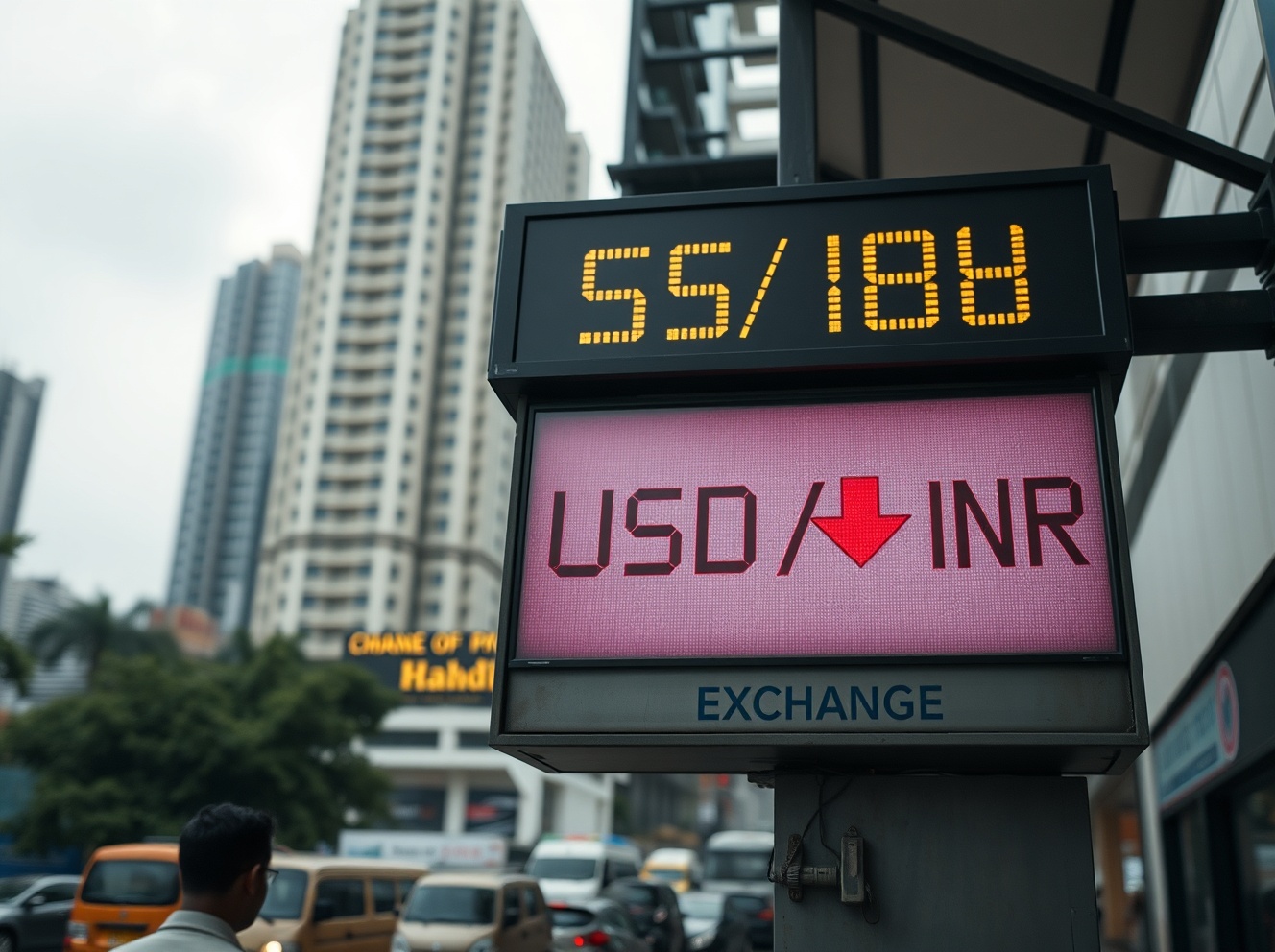
The Indian rupee extended its losing streak against the US dollar on Wednesday, pressured by a sustained surge in global crude oil prices that threatens to widen the nation’s trade deficit and fuel imported inflation. The currency touched a fresh low of 87.25 per dollar in early trading, tracking a rise in Brent crude futures above $82 per barrel.
Oil’s Weight on the Rupee
India, the world’s third-largest oil importer, is acutely sensitive to crude price movements. A $10 per barrel increase in oil prices can add approximately $15 billion to the country’s annual import bill, according to estimates from the Reserve Bank of India. The latest advance in oil prices, driven by supply concerns and improving global demand, has reignited fears of a wider current account deficit.
Market participants noted that the rupee’s decline was also fueled by sustained dollar demand from oil marketing companies, which typically accelerate their purchases when crude prices rise. This corporate demand, combined with a cautious stance from the central bank, has left the currency vulnerable.
Impact on Inflation and Monetary Policy
The rupee’s weakness compounds the inflationary impact of higher crude prices. Since India imports over 85% of its crude oil requirements, a weaker rupee makes imports more expensive, directly affecting fuel prices and, subsequently, transportation and manufacturing costs.
Economists now expect the RBI to maintain a cautious stance in its upcoming monetary policy review. While the central bank has intervened in the forex market to smooth volatility, its ability to aggressively defend the rupee is constrained by the need to preserve foreign exchange reserves. Analysts believe the RBI may allow a gradual depreciation rather than burn reserves to prop up the currency.
What This Means for Consumers and Businesses
For the average Indian consumer, a weaker rupee and higher oil prices typically translate into costlier petrol, diesel, and cooking gas. This can squeeze household budgets and dampen discretionary spending. For businesses, especially those reliant on imported raw materials, input costs rise, potentially squeezing profit margins. Export-oriented sectors, however, may see a slight competitive advantage from a weaker rupee.
Conclusion
The rupee’s trajectory remains closely tied to global oil markets and the dollar index. With no immediate signs of a reversal in crude prices, the currency is likely to remain under pressure in the near term. Traders will watch for any intervention from the RBI and cues from the upcoming US Federal Reserve meeting for further direction.
FAQs
Q1: Why does a rise in oil prices affect the Indian rupee?
India imports most of its crude oil, paying for it in dollars. When oil prices rise, the demand for dollars increases, putting downward pressure on the rupee.
Q2: How does the RBI respond to a falling rupee?
The RBI can intervene by selling dollars from its reserves to support the rupee, or by adjusting interest rates to control capital flows. It often uses a mix of both strategies.
Q3: Will a weaker rupee impact the Indian stock market?
Yes. A weaker rupee can lead to foreign portfolio outflows as investors seek stable currencies, potentially dragging down equity markets. It also raises input costs for companies, affecting earnings.
This post Indian Rupee Slips Further as Crude Oil Rally Intensifies first appeared on BitcoinWorld.

Read More

Indian Rupee Extends Rebound, Defies Crude Oil Price Recovery