Chinese Yuan Remains Range-Bound Against US Dollar, Downside Risk Persists: UOB
Share:
UOB says USD/CNY is range-bound with support near 7.2400 and resistance around 7.2800, and the technical bias favors further yuan weakness as the PBoC eases while the Fed keeps rates elevated. China's uneven recovery, stressed property sector and weak industrial and retail data raise downside risk, prompting traders, importers and crypto firms with CEX/DeFi yuan exposure to consider hedging against depreciation.
Predictions Markets
See what traders are focused on

BitcoinWorld
Chinese Yuan Remains Range-Bound Against US Dollar, Downside Risk Persists: UOB
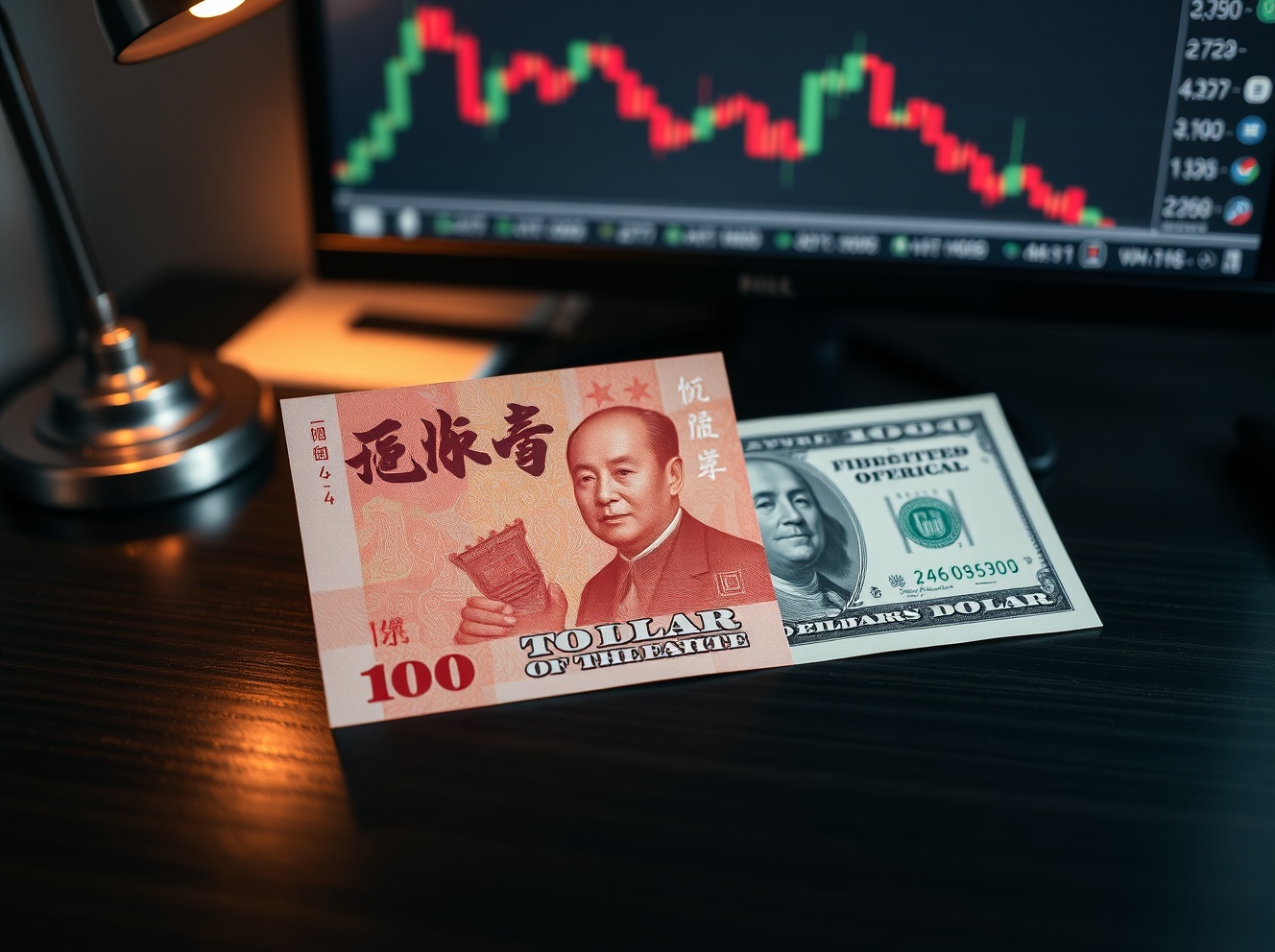
The Chinese yuan continues to trade within a familiar range against the US dollar, but the risk of further depreciation remains intact, according to analysts at United Overseas Bank (UOB). The currency pair, USD/CNY, has been consolidating in recent sessions, reflecting a market caught between persistent economic headwinds in China and a broadly strong US dollar.
UOB’s Technical View on USD/CNY
UOB Group’s foreign exchange strategists note that the yuan’s range-trading pattern is likely to persist in the near term. They identify a key support zone for the USD/CNY pair around the 7.2400 level, while resistance is seen near 7.2800. The analysts emphasize that while the pair is not breaking out aggressively, the underlying bias leans toward a weaker yuan. This assessment is based on the divergence in monetary policy outlooks between the People’s Bank of China (PBoC), which maintains an accommodative stance to support a sluggish domestic economy, and the US Federal Reserve, which has kept interest rates elevated to combat inflation.
Fundamental Drivers Weighing on the Yuan
The downside risk for the yuan is underpinned by several fundamental factors. China’s economic recovery has been uneven, with the property sector remaining under significant stress and consumer confidence slow to rebound. Recent data on industrial production and retail sales have pointed to a still-fragile economy, reducing the attractiveness of the yuan for international investors. Meanwhile, the US dollar has found support from resilient US economic data and a hawkish tone from Fed officials, who have pushed back against expectations of imminent rate cuts. This interest rate differential continues to favor the dollar over the yuan.
Market Implications for Traders and Businesses
For currency traders and businesses with exposure to the Chinese market, UOB’s analysis suggests a cautious approach. The range-bound nature of the pair offers opportunities for short-term tactical trades, but the prevailing downside risk means that hedging against yuan depreciation remains prudent. Importers paying in yuan may find current levels favorable, while exporters receiving yuan should be prepared for potential further weakness. The market is also closely watching for any potential intervention by the PBoC to stabilize the currency, though the central bank has so far allowed the yuan to trade in line with market forces within a managed band.
Conclusion
While the Chinese yuan is currently trading in a narrow range against the US dollar, the underlying pressures from China’s economic slowdown and the strong dollar suggest the risk of a downside breakout remains. UOB’s analysis provides a clear technical framework for monitoring the pair, but the broader fundamental story points to continued headwinds for the yuan. Traders and businesses should remain alert to any shifts in policy or economic data that could break the current range.
FAQs
Q1: What does ‘range-bound’ mean in currency trading?
A range-bound market is one where the price of a currency pair, such as USD/CNY, trades between a specific high and low level without breaking out in either direction. It indicates a period of consolidation where buying and selling pressures are relatively balanced.
Q2: Why does UOB see downside risk for the Chinese yuan?
UOB’s assessment is based on the divergence in monetary policy. The PBoC is easing policy to support a slowing Chinese economy, while the US Federal Reserve maintains higher interest rates. This makes the US dollar more attractive, putting downward pressure on the yuan.
Q3: How could this affect international businesses?
Businesses importing goods from China might find the yuan’s current level acceptable for payments. However, companies that receive revenue in yuan should consider hedging strategies to protect against potential depreciation, which would reduce the value of their yuan-denominated income when converted to other currencies.
This post Chinese Yuan Remains Range-Bound Against US Dollar, Downside Risk Persists: UOB first appeared on BitcoinWorld.


Predictions Markets
See what traders are focused on
Share:
Predictions Markets
See what traders are focused on
Share:
Read More
Japanese Yen: Downside Bias Persists, but Outlook Remains Mixed, Says UOB