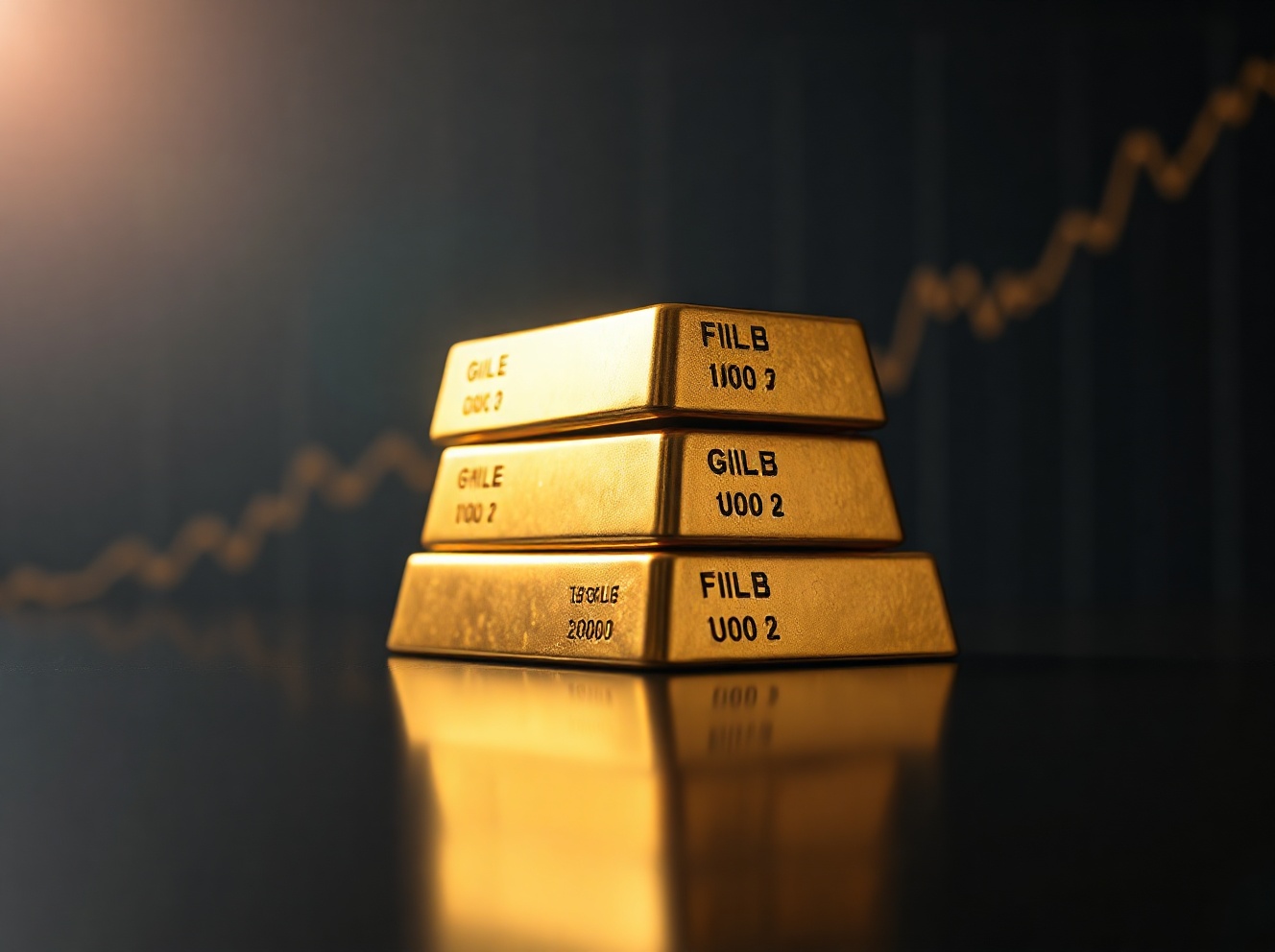
Gold Edges Higher as Hormuz Delays and US CPI Keep Traders Cautious
Compartir:
Gold edged higher as shipping delays in the Strait of Hormuz and cautious positioning ahead of the US Consumer Price Index due later today pushed traders into the safe-haven, with central bank buying and robust physical demand cited as supports. The resulting risk-off backdrop and Fed rate sensitivity could weigh on crypto risk assets while potentially reinforcing Bitcoin’s safe-haven narrative, so investors should watch CPI, energy-driven inflation and geopolitical risk for their market impact on crypto adoption and prices.
Mercados de predicciones
Vea en qué se centran los traders

BitcoinWorld
Gold Edges Higher as Hormuz Delays and US CPI Keep Traders Cautious
Gold prices edged higher on Thursday as ongoing shipping delays in the Strait of Hormuz and cautious sentiment ahead of the latest US Consumer Price Index (CPI) data prompted traders to seek the safety of the precious metal. The uptick reflects a market balancing geopolitical risk against expectations for US interest rate policy.
Hormuz Disruptions Add to Supply Concerns
The Strait of Hormuz, a critical waterway for global oil and gas shipments, has seen increased transit delays in recent weeks. While the disruptions have not halted flows entirely, they have raised concerns about supply chain stability and added a layer of geopolitical risk that often supports safe-haven assets like gold. Traders are monitoring the situation closely, as any escalation could have broader implications for energy prices and global inflation.
US CPI Data in Focus
Market participants are also awaiting the latest US CPI report, scheduled for release later today. The data is expected to show a continued slowdown in inflation, but any upside surprise could alter expectations for Federal Reserve policy. A hotter-than-expected reading might reduce the likelihood of near-term rate cuts, which typically pressures gold prices. Conversely, a softer print could boost the metal’s appeal as a hedge against inflation and currency depreciation.
What This Means for Investors
For investors, the combination of geopolitical uncertainty and macroeconomic data creates a mixed outlook for gold. The metal remains supported by central bank buying and robust physical demand, but its path forward is closely tied to the Fed’s next moves. A clear signal on rates, whether from CPI or Fed commentary, is likely to be the next major catalyst for gold prices.
Conclusion
Gold’s modest advance reflects a market caught between geopolitical risk and monetary policy expectations. As traders digest Hormuz-related disruptions and the latest inflation data, the precious metal is likely to remain sensitive to shifts in risk sentiment and US rate expectations. Investors should stay alert to both factors in the coming sessions.
FAQs
Q1: Why is the Strait of Hormuz important for gold prices?
The Strait of Hormuz is a key chokepoint for global energy shipments. Disruptions there can raise oil prices and increase geopolitical risk, prompting investors to buy safe-haven assets like gold.
Q2: How does US CPI data affect gold?
US CPI data influences Federal Reserve interest rate decisions. If inflation is high, the Fed may raise rates, which strengthens the dollar and pressures gold. If inflation is low, the Fed may cut rates, which supports gold.
Q3: What should investors watch next for gold?
Investors should watch the Fed’s policy signals, upcoming economic data, and any developments in the Strait of Hormuz. These factors will likely drive gold’s direction in the near term.
This post Gold Edges Higher as Hormuz Delays and US CPI Keep Traders Cautious first appeared on BitcoinWorld.


Mercados de predicciones
Vea en qué se centran los traders
Compartir:
Mercados de predicciones
Vea en qué se centran los traders
Compartir:
Leer más

Oil and Gold: Price Review and Key Levels for the Week Ahead