WTI Oil Rises Above $89 as Middle East Tensions Reshape Supply Outlook
Поделиться:
WTI crude oil climbed back above $89 per barrel on Tuesday as escalating Middle East geopolitical tensions and threats to shipping lanes prompted markets to price a supply disruption premium, with analysts saying prices could test the $92–$95 range amid OPEC+ cuts and IEA warnings. The renewed oil-driven inflation and volatility risk may pressure equities and influence asset allocation into safe havens and risk assets, potentially impacting crypto, DeFi and token markets as liquidity shifts between DEXs and CEXs and traders reposition for short-term volatility.
Рынки предсказаний
Что в фокусе у трейдеров?

BitcoinWorld
WTI Oil Rises Above $89 as Middle East Tensions Reshape Supply Outlook
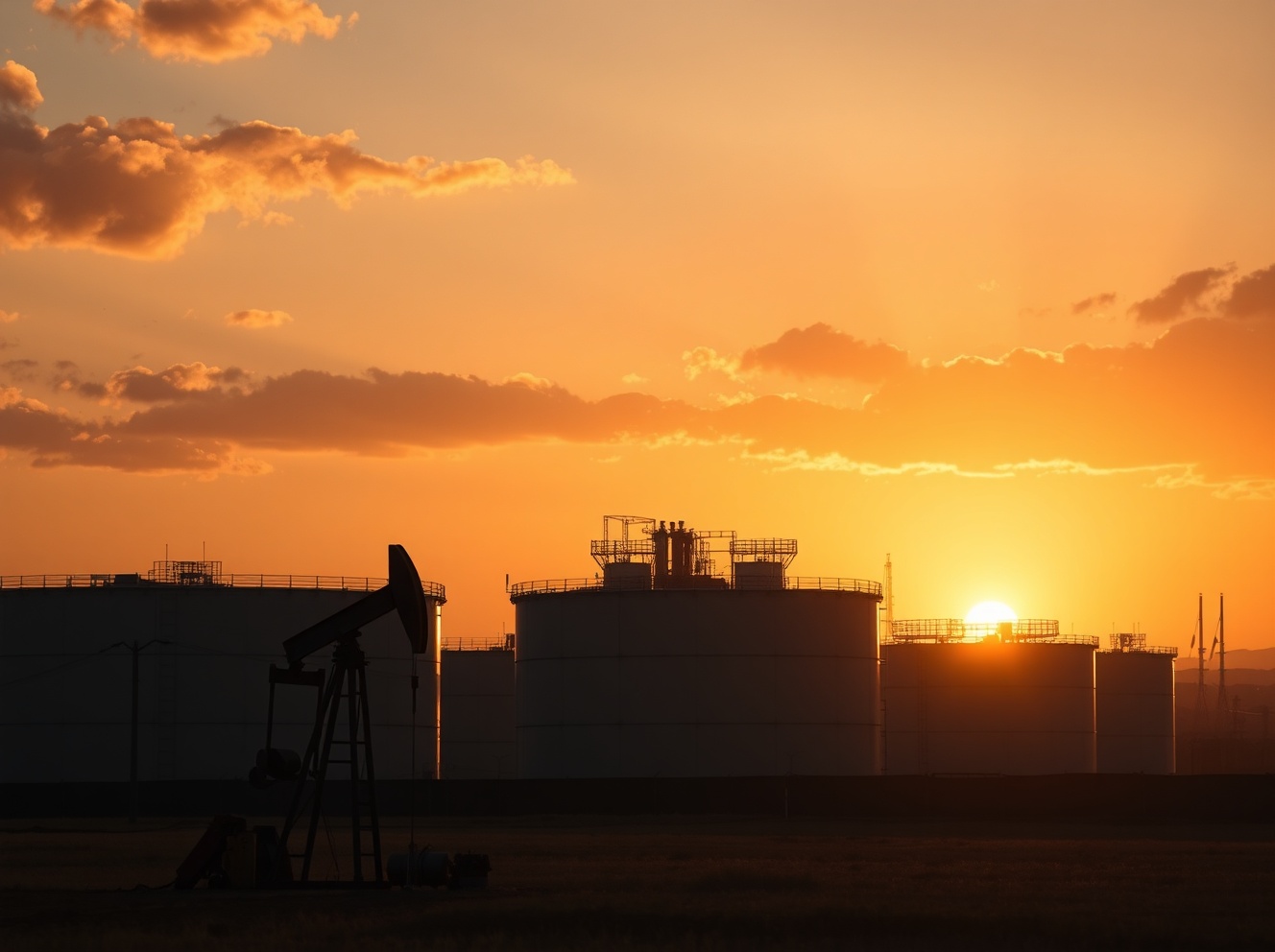
West Texas Intermediate (WTI) crude oil futures climbed back above the $89 per barrel mark on Tuesday, driven by escalating geopolitical tensions in the Middle East that have reignited concerns over potential supply disruptions. The move marks a significant recovery from recent lows and signals renewed risk premium pricing in the energy complex.
Geopolitical Triggers Behind the Rally
The latest price surge follows a series of developments in the region, including heightened military activity near key shipping lanes and renewed confrontations involving major oil-producing states. While no direct supply outages have been reported, markets are pricing in the risk of disruptions to tanker routes or production facilities. Historically, even the threat of instability in the Middle East has been enough to push crude benchmarks higher, as traders adjust for worst-case scenarios.
The $89 level is psychologically important for WTI, representing a technical resistance zone that had capped gains in previous sessions. Breaking above it suggests that bullish momentum is building, supported by broader market factors including tighter global inventories and steady demand from major economies.
Market Context and Broader Implications
The rally comes at a time when the global oil market is already grappling with supply constraints from OPEC+ production cuts and reduced output from non-OPEC producers. The International Energy Agency has warned that the market could face a significant deficit in the second half of the year if demand holds up. The addition of geopolitical risk amplifies these concerns, potentially pushing prices higher in the near term.
For consumers, higher oil prices translate into increased costs at the pump and elevated input costs for industries reliant on petroleum-based products. For investors, energy stocks and commodities remain a focal point, with crude volatility creating both opportunities and risks. Analysts are closely watching diplomatic efforts in the region, as any de-escalation could quickly reverse the current price gains.
What This Means for Traders and Policymakers
For short-term traders, the $89–$92 range is the next key zone to watch. A sustained break above $90 could trigger further buying, while a failure to hold gains may signal that the risk premium is fading. Policymakers, particularly in energy-importing nations, are monitoring the situation closely, as sustained high oil prices could complicate inflation management and economic growth forecasts.
The situation remains fluid, and the primary driver remains geopolitical headlines rather than fundamental supply-demand shifts. Readers should be aware that oil prices can reverse sharply if tensions ease or if diplomatic channels produce tangible results.
Conclusion
WTI crude oil’s return above $89 underscores the market’s sensitivity to Middle Eastern geopolitics. While no physical supply has been disrupted, the psychological and risk-pricing impact is real. The coming days will be critical in determining whether this move is a temporary spike or the beginning of a more sustained rally. Investors and consumers alike should prepare for continued volatility.
FAQs
Q1: Why did WTI oil prices rise above $89?
A1: The primary catalyst is escalating geopolitical tensions in the Middle East, which have increased fears of potential supply disruptions. Markets are pricing in a risk premium even without actual production outages.
Q2: How high could oil prices go if tensions continue?
A2: Analysts suggest that if the situation worsens or if actual supply disruptions occur, WTI could test the $92–$95 range. However, prices are highly sensitive to news flow and could reverse quickly if de-escalation occurs.
Q3: Will higher oil prices affect consumers directly?
A3: Yes. Higher crude oil prices typically lead to increased gasoline and diesel prices at the pump. They also raise costs for transportation, manufacturing, and heating, contributing to broader inflationary pressures.
This post WTI Oil Rises Above $89 as Middle East Tensions Reshape Supply Outlook first appeared on BitcoinWorld.


Рынки предсказаний
Что в фокусе у трейдеров?
Поделиться:
Рынки предсказаний
Что в фокусе у трейдеров?
Поделиться:
Читать больше
Dow Jones Slides as Iran Severs Nuclear Talks and Oil Prices Spike