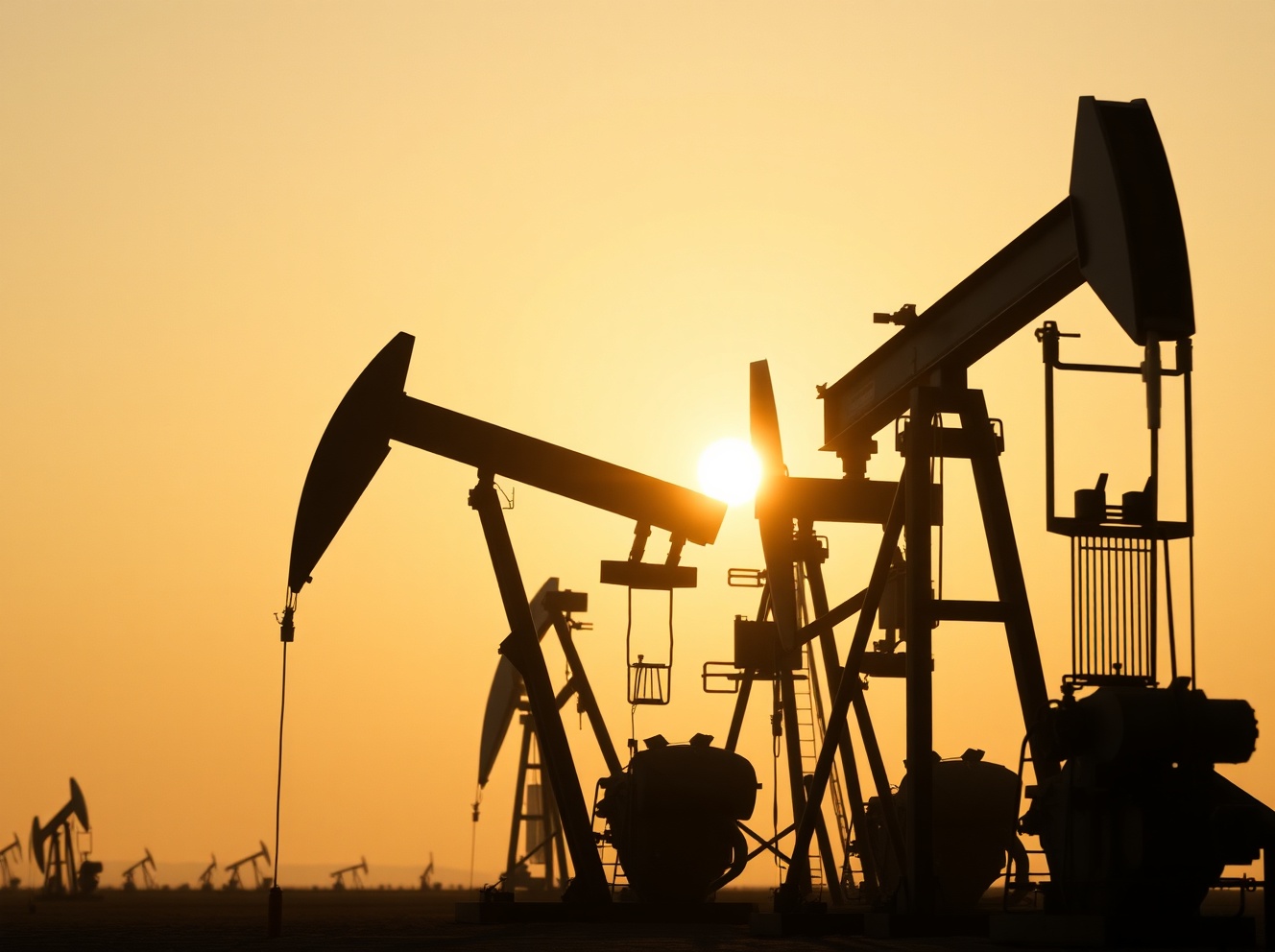
Brent Holds Elevated as Geopolitical Risks Persist, Commerzbank Says
Поделиться:
Commerzbank reports Brent is holding around $80-$90 per barrel as a persistent geopolitical risk premium and supply disruptions keep inventories drawing down. Sustained high oil prices risk feeding inflation and delaying central bank easing, raising volatility that can pressure crypto token performance and mining profitability while potentially boosting demand for crypto as a hedge. Crypto participants should monitor energy costs, macro policy and geopolitical headlines for impacts on DeFi liquidity, CEX markets, token launches and institutional adoption.
Рынки предсказаний
Что в фокусе у трейдеров?

BitcoinWorld
Brent Holds Elevated as Geopolitical Risks Persist, Commerzbank Says
Commerzbank analysts said on Thursday that Brent crude prices remain elevated due to persistent geopolitical risks, with the market balancing supply concerns against global demand uncertainty. The bank’s commentary underscores how tensions in key producing regions continue to provide a floor under prices, even as economic headwinds weigh on consumption.
Geopolitical Risk Premium Persists
Commerzbank’s note highlights that the risk premium embedded in Brent prices has not fully dissipated, despite occasional dips. The bank points to ongoing conflicts and supply disruptions in the Middle East and Eastern Europe as key factors keeping prices supported. These geopolitical factors have repeatedly disrupted shipping routes and threatened production infrastructure, prompting traders to maintain a cautious stance.
According to Commerzbank, the market is closely watching for any escalation that could tighten supply further. While OPEC+ has spare capacity, the bank notes that actual production increases have been gradual, leaving little room for a rapid response if disruptions intensify. This dynamic has kept Brent trading in a range roughly between $80 and $90 per barrel over recent weeks, with spikes occurring whenever geopolitical headlines turn more concerning.
Supply and Demand Fundamentals
The supply side remains the primary driver of elevated prices. Commerzbank’s analysis points to ongoing production cuts by major exporters, combined with unexpected outages in some non-OPEC countries. On the demand side, global economic growth has been slower than initially expected, particularly in Europe and parts of Asia, which normally would weigh on prices. However, the geopolitical premium has so far outweighed these demand concerns.
Commerzbank also notes that inventories in major consuming regions have been drawing down, suggesting that the market is tighter than headline figures might imply. The bank expects this trend to continue in the short term, with prices likely to remain volatile and responsive to geopolitical news flow.
Implications for Consumers and Markets
For consumers, sustained high oil prices translate into higher fuel and energy costs, which can feed into broader inflation. Central banks, already grappling with sticky inflation, may find it harder to ease monetary policy if energy prices remain elevated. For markets, the persistence of geopolitical risk means that any resolution of conflicts could trigger a sharp correction in prices, while an escalation could push Brent higher.
Commerzbank advises that while the current risk premium is justified, the market is also vulnerable to sudden shifts in sentiment. Traders should monitor diplomatic developments closely, as any sign of de-escalation could quickly remove the premium and pressure prices lower.
Conclusion
In summary, Commerzbank’s assessment reflects a market that remains firmly anchored by geopolitical risk. With supply tight and demand uncertain, Brent is likely to stay elevated until either tensions ease or economic weakness becomes more pronounced. Investors and consumers alike should prepare for continued volatility as these factors evolve.
FAQs
Q1: What is the main reason for elevated Brent prices according to Commerzbank?
Commerzbank attributes the elevated Brent prices primarily to persistent geopolitical risks, which include conflicts in key oil-producing regions that threaten supply and disrupt shipping routes.
Q2: How might geopolitical risks affect oil prices in the near term?
Geopolitical risks are likely to keep oil prices volatile, with the potential for sharp spikes if tensions escalate, and sudden drops if diplomatic solutions emerge. The market remains sensitive to headlines.
Q3: What should consumers and investors watch for?
Consumers should monitor fuel and energy costs, while investors should track diplomatic developments and supply data. Any sign of de-escalation could reduce the risk premium and lower prices, whereas escalation could push prices higher.
This post Brent Holds Elevated as Geopolitical Risks Persist, Commerzbank Says first appeared on BitcoinWorld.


Читать больше

WTI slips to near $80.50 as profit-taking and Hormuz transit ease pressure