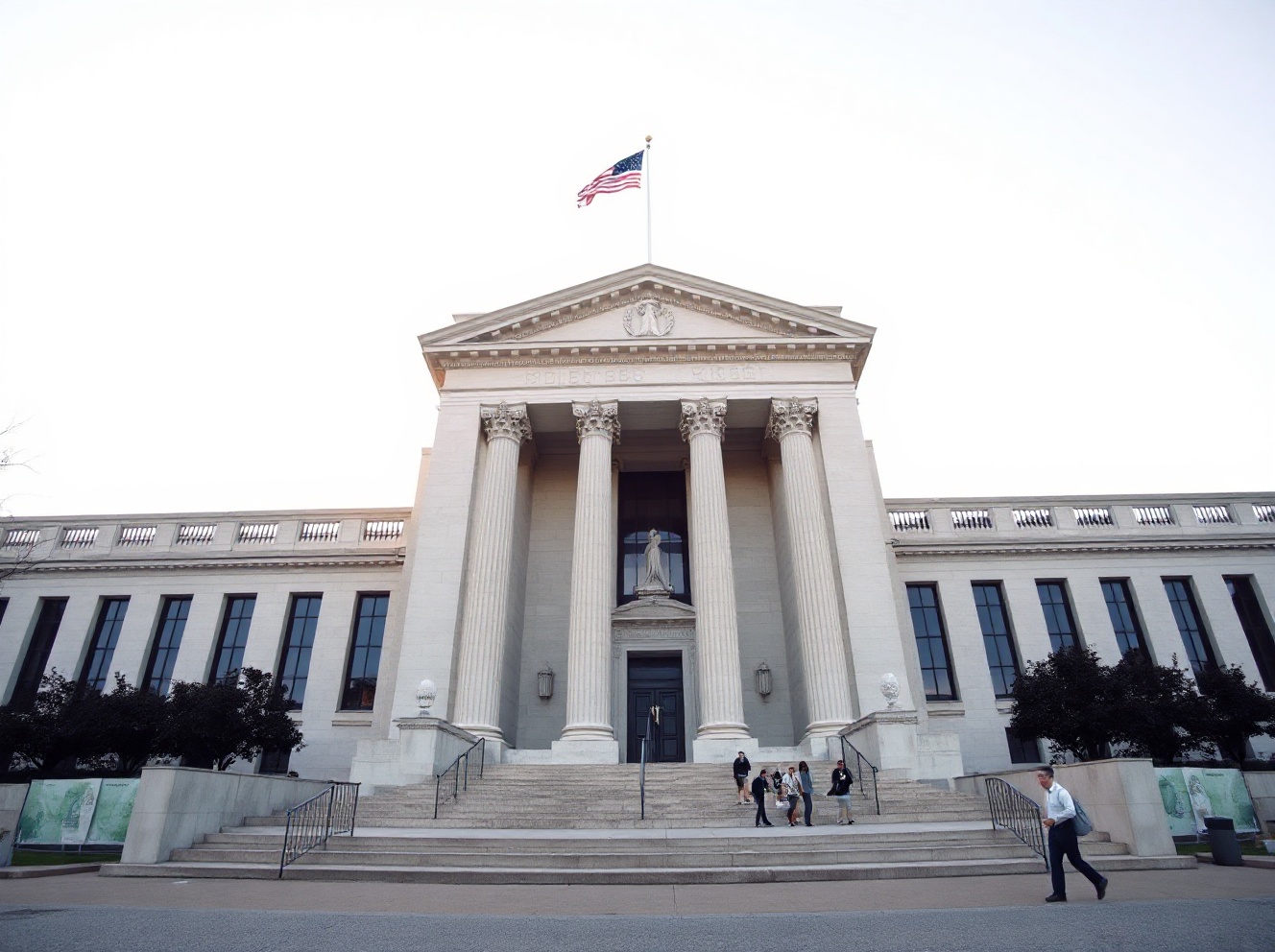
Fed’s Goolsbee: Inflation Remains the ‘Biggest Problem’ for the US Economy
Поделиться:
Chicago Fed President Austan Goolsbee said inflation remains the "biggest problem", citing CPI at 3.2% YoY in February and noting the Fed has kept rates at 5.25–5.50% since July 2023 as officials signal patience ahead of the April 30–May 1 FOMC meeting. That cautious, data-dependent stance increases downside risk for crypto and DeFi markets by keeping borrowing costs and dollar strength elevated, which can pressure DEX/CEX volumes, token launches, fundraising and broader adoption.
Рынки предсказаний
Что в фокусе у трейдеров?

BitcoinWorld
Fed’s Goolsbee: Inflation Remains the ‘Biggest Problem’ for the US Economy
Chicago Federal Reserve President Austan Goolsbee said on Friday that inflation remains the “biggest problem” facing the U.S. economy, a remark that underscores the central bank’s continued focus on price stability as it weighs the timing of future interest rate moves.
Context: Why Goolsbee’s remarks matter
Goolsbee, a voting member of the Federal Open Market Committee (FOMC) this year, made the comment during a moderated discussion at an economic forum in Chicago. His statement reflects the ongoing concern among Fed officials that inflation, while down from its 2022 peak, has not yet returned to the central bank’s 2% target.
As of the latest data, the Consumer Price Index (CPI) rose 3.2% year-over-year in February, down from a high of 9.1% in June 2022 but still above the Fed’s comfort zone. The Fed has kept its benchmark interest rate at a 23-year high of 5.25%–5.50% since July 2023, and policymakers have signaled they need more confidence that inflation is on a sustainable path downward before cutting rates.
Implications for monetary policy
Goolsbee’s characterization of inflation as the “biggest problem” suggests that the Fed is not yet ready to ease monetary policy. In recent speeches, he has emphasized the need to avoid tightening too much, but he has also stressed that the Fed will not hesitate to act if inflation proves sticky.
Market participants have been closely watching Fed communications for clues about the first rate cut. According to the CME FedWatch Tool, as of late March, futures traders priced in a roughly 60% probability of a rate cut by June, but that odds have fluctuated with each new inflation report.
The Fed’s next policy meeting is scheduled for April 30–May 1, where officials will update their economic projections. Goolsbee’s remarks add to the chorus of Fed speakers who have urged patience, indicating that any easing will be data-dependent rather than on a preset schedule.
Why this matters to consumers and investors
For everyday Americans, the persistence of inflation affects purchasing power, borrowing costs, and savings yields. For investors, the Fed’s stance influences bond yields, equity valuations, and the dollar’s strength. A prolonged period of high rates could slow economic growth, while premature cuts risk reigniting price pressures.
Goolsbee’s comment also highlights the delicate balance the Fed must strike between supporting employment and containing inflation—a dual mandate that has become increasingly challenging as the economy shows mixed signals.
Conclusion
Austan Goolsbee’s assessment that inflation is the “biggest problem” reinforces the Federal Reserve’s cautious approach to monetary policy. With inflation still above target and the labor market resilient, the central bank is likely to hold rates steady until more data confirm a durable decline. For now, consumers and investors should expect policy to remain restrictive, with any easing contingent on further progress on prices.
FAQs
Q1: What did Austan Goolsbee say about inflation?
Austan Goolsbee, President of the Chicago Federal Reserve, stated that inflation is the “biggest problem” facing the U.S. economy, highlighting the central bank’s ongoing concern about price stability.
Q2: When is the next Federal Reserve meeting?
The next FOMC meeting is scheduled for April 30–May 1, 2025. Investors will be watching for any changes in the policy statement and economic projections.
Q3: How does inflation affect interest rates?
When inflation is above the Fed’s 2% target, the central bank tends to keep interest rates higher to cool spending and price growth. Lower inflation gives the Fed room to cut rates to support economic activity.
This post Fed’s Goolsbee: Inflation Remains the ‘Biggest Problem’ for the US Economy first appeared on BitcoinWorld.
Рынки предсказаний
Что в фокусе у трейдеров?
Поделиться:
Рынки предсказаний
Что в фокусе у трейдеров?
Поделиться:
Читать больше
Fed’s Hammack Says Rates Not Restrictive Enough, Calls for Further Hikes