


Arthur Hayes Warns of AI-Driven Credit Shock
Поделиться:

- Credit card delinquencies are surging, and, at the same time, gold has strengthened as compared to Bitcoin, another indication of defensive positioning.
- Consumer staples are surpassing discretionary stocks, indicating households are cutting back.
Arthur Hayes, an American entrepreneur and the founder of BitMEX, thinks that Bitcoin is indicating that markets are underrating a coming credit shock. Hayes posted a Substack essay, “This is Fine”, in which he claims that Bitcoin acts as a global fiat liquidity fire alarm.
Its acute fall from $126,000 to about $60,000, while the Nasdaq 100 was still stable, shows tightening dollar liquidity and increasing deflation risk. Hayes associates that risk with AI and calculates that there are 72.1 million knowledge workers in the United States, many of whom have significant consumer debt and mortgages.
If AI tools quickly replace around 20% of those workers, he predicts significant stress for the banking system. As per the Federal Reserve data, Hayes estimates around $3.76 trillion in bank-held consumer credit, except student loans.
The Further Calculations
He also calculates knowledge workers have an average mortgage balance of around $250,000. If an extensive layoff happens, he predicts $330 billion in consumer credit losses and $227 billion in mortgage losses.
After accounting for reserves, that would change to around a 13% hit to U.S. commercial bank equity. Hayes claims that while the biggest “too big to fail” banks may resist the shock, smaller regional lenders could witness major stress.
Lending would elongate, credit would contract, and economic demand would wear out. He highlights various early warning signs. Software and SaaS stocks haven’t performed well in wider tech indices.
Consumer staples are surpassing discretionary stocks, indicating households are cutting back. Credit card delinquencies are surging, and, at the same time, gold has strengthened as compared to Bitcoin, another indication of defensive positioning.
Regardless of the near-term risk, Hayes is structurally bullish on Bitcoin. He claims that a deflationary shock in the end forces the Federal Reserve to start again aggressive liquidity programmes.
Political tensions may lead to slowed action, but once banking stress elevates, he anticipates lawmakers to print on a big scale.
Highlighted Crypto News Today:
Thiel and Founders Fund Exit Ethereum Treasury Firm ETHZilla
В этой новости


Поделиться:
В этой новости
Поделиться:
Читать больше

AI Adoption Will Trigger a Financial Crisis, Potentially Boosting Bitcoin Demand—Hayes
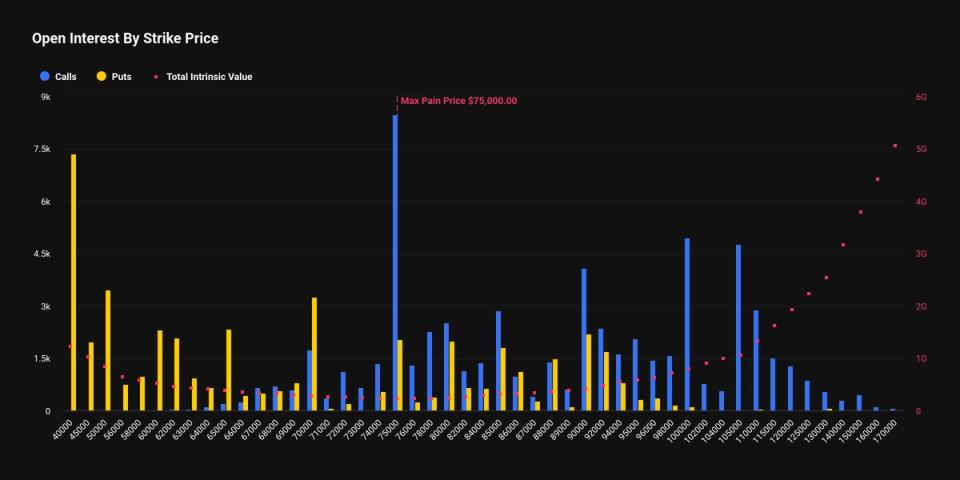
Bitcoin’s $40,000 put becomes second-largest options bet ahead of February expiry next week
Arthur Hayes Warns of AI-Driven Credit Shock
Поделиться:
- Credit card delinquencies are surging, and, at the same time, gold has strengthened as compared to Bitcoin, another indication of defensive positioning.
- Consumer staples are surpassing discretionary stocks, indicating households are cutting back.
Arthur Hayes, an American entrepreneur and the founder of BitMEX, thinks that Bitcoin is indicating that markets are underrating a coming credit shock. Hayes posted a Substack essay, “This is Fine”, in which he claims that Bitcoin acts as a global fiat liquidity fire alarm.
Its acute fall from $126,000 to about $60,000, while the Nasdaq 100 was still stable, shows tightening dollar liquidity and increasing deflation risk. Hayes associates that risk with AI and calculates that there are 72.1 million knowledge workers in the United States, many of whom have significant consumer debt and mortgages.
If AI tools quickly replace around 20% of those workers, he predicts significant stress for the banking system. As per the Federal Reserve data, Hayes estimates around $3.76 trillion in bank-held consumer credit, except student loans.
The Further Calculations
He also calculates knowledge workers have an average mortgage balance of around $250,000. If an extensive layoff happens, he predicts $330 billion in consumer credit losses and $227 billion in mortgage losses.
After accounting for reserves, that would change to around a 13% hit to U.S. commercial bank equity. Hayes claims that while the biggest “too big to fail” banks may resist the shock, smaller regional lenders could witness major stress.
Lending would elongate, credit would contract, and economic demand would wear out. He highlights various early warning signs. Software and SaaS stocks haven’t performed well in wider tech indices.
Consumer staples are surpassing discretionary stocks, indicating households are cutting back. Credit card delinquencies are surging, and, at the same time, gold has strengthened as compared to Bitcoin, another indication of defensive positioning.
Regardless of the near-term risk, Hayes is structurally bullish on Bitcoin. He claims that a deflationary shock in the end forces the Federal Reserve to start again aggressive liquidity programmes.
Political tensions may lead to slowed action, but once banking stress elevates, he anticipates lawmakers to print on a big scale.
Highlighted Crypto News Today:
Thiel and Founders Fund Exit Ethereum Treasury Firm ETHZilla
В этой новости
Поделиться:
В этой новости
Поделиться:
Читать больше
AI Adoption Will Trigger a Financial Crisis, Potentially Boosting Bitcoin Demand—Hayes